
Review · FOLKLORE & DANCE NIGHTS
From Bansko: Traditional Folklore Experience
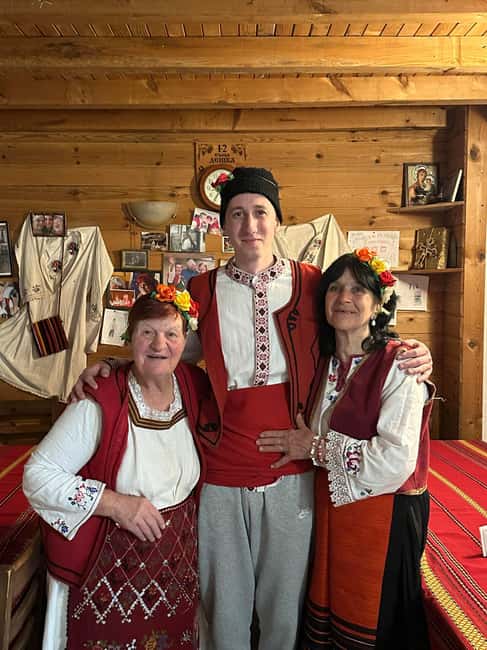
A Bulgarian folk evening beats a museum every time. You head from Bansko to a small village, then spend about three hours at Guest House Deshka, where the babi (grandmothers) turn dinner into a hands-on cultural party. You get local dances, traditional costumes, and stories of folk beliefs, all in a warm, lived-in setting.
I especially love the home-cooked meal focus. You do not just get a plate, you get a real spread made with local produce, plus locally brewed rakia. I also love the hands-on cultural parts, like trying traditional dancing, weaving on a razboi, and dressing in nosii (folk costumes).
One thing to plan for: this is not a sit-and-watch evening. You’ll be up and moving, and the activity is not suitable for people with mobility impairments. Also, since rakia is part of the experience, tell the guide if you would rather not have alcohol.
In This Review
- Key things to know before you go
- From Bansko to Gorno Draglishte, the drive is part of the experience
- Guest House Deshka and the babi welcome you like family
- Nosii costumes, dancing together, and trying a razboi
- The food is the main event, and it is plentiful
- Folk beliefs and evening stories that add meaning
- Price and value: why $76 feels fair for a full cultural evening
- Practical tips, allergies, and what to ask your host
- Who should book this folklore night, and who should skip it
- Should you book this Bansko folklore evening?
Key things to know before you go
- Guest House Deshka welcomes you with babi energy, including lively hosts like Baba Iana and Baba Elena
- Three hours of eating and doing, not just standing around taking photos
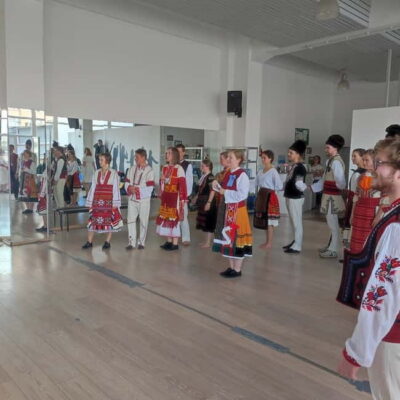
- You get nosii folk costumes and group dancing, so you participate, not observe
- A razboi weaving moment gives you a real sense of local craft
- Home-style Bulgarian food plus locally brewed rakia, and there is enough to satisfy real appetites
More folklore and dance evenings in Bansko:
- Gorno Draglishte: Local Folklore Experience w/ Food Tasting★ 4.3 · 3 reviews
- Bansko: Bulgarian Folklore Show 4-Course Meal Entertainment★ 5.0 · 2 reviews
- Sofia: Discover Bulgaria with Dance★ 4.9 · 173 reviews
- Discover Bulgaria with Dance in Sofia, Bulgaria★ 5.0 · 52 reviews
From Bansko to Gorno Draglishte, the drive is part of the experience
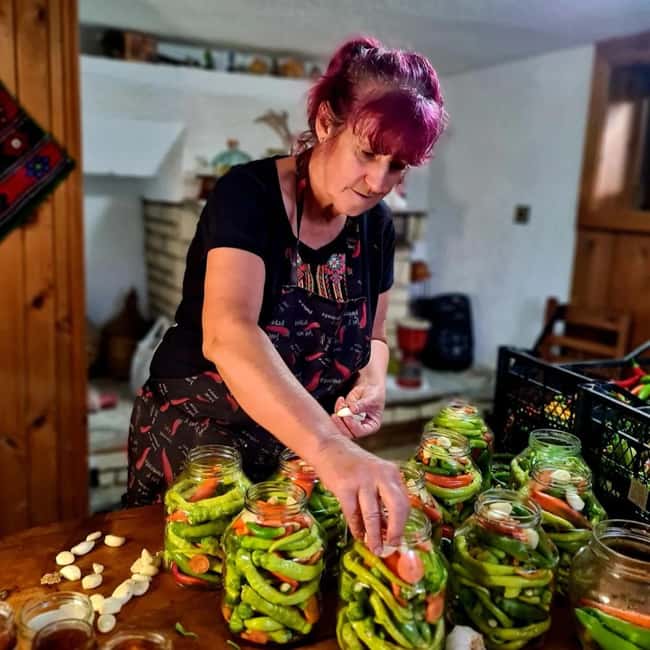
The tour starts in Bansko with pickup at a meeting point. Your vehicle then heads for the nearby village of Gorno Draglishte, and that short drive matters more than you might expect. It’s long enough to switch mental gears from ski-town or town-center life to something calmer and slower.
The schedule is straightforward. You should plan to arrive at the meeting point about 10 to 15 minutes early so you are not rushed. Then you settle in for roughly a 25-minute ride, which also helps the group connect right away. For an evening activity, that matters. You want people relaxed, ready to laugh, and willing to join in.
What I like about this pacing is that it keeps the night feeling focused. You are not crisscrossing Bulgaria for hours. You get transported to a single community, and you stay there long enough to actually feel the atmosphere.
Guest House Deshka and the babi welcome you like family
Your destination is Guest House Deshka in Gorno Draglishte. This is where the tone changes. Instead of a formal performance, you are treated more like a honored visitor.
More than one guest shared that the babi hosts have a rare mix of warmth and bounce, and that you can feel it the moment you arrive. Names that come up include Baba Iana and Baba Elena. Even if you do not speak Bulgarian, you’ll usually be guided through what is happening next, with plenty of friendly cues, gestures, and patience.
You should expect a greeting that feels personal, not scripted. The hosts also talk to you about the home and traditions, which is where you get context before you start dancing or changing into costume. This is one of the best reasons to pick this kind of experience from Bansko: you’re not just consuming culture, you’re being shown it.
Nosii costumes, dancing together, and trying a razboi
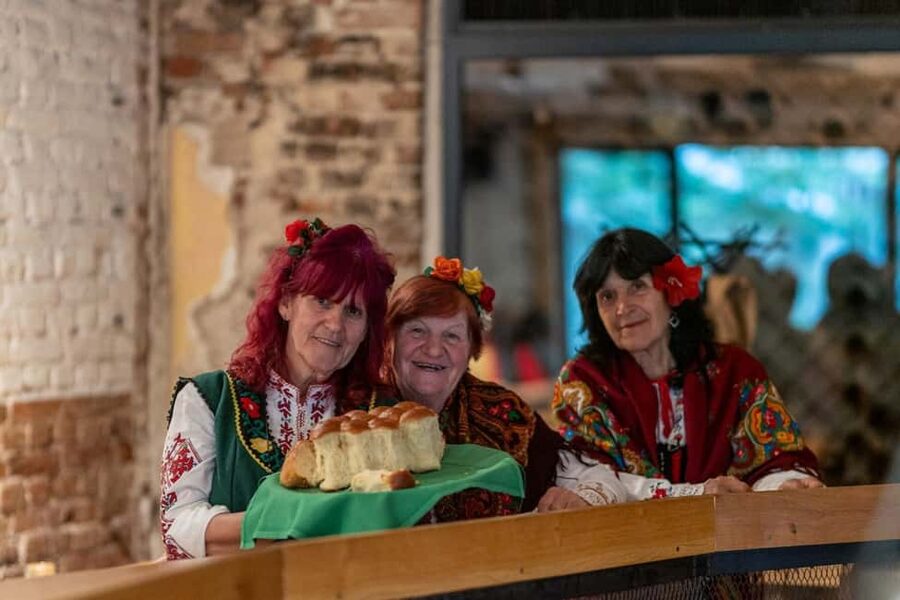
This is not a passive evening. A big part of the fun is that you participate.
After the welcome, you’ll get into traditional local dances. You might start by watching for a second, but the goal is for you to join the circle. That’s where the laughter happens. Even if your steps are clumsy, the setting is built for group energy. People in the group range widely in age, and it still works because the hosting style is upbeat and practical. (One multi-generation group included ages from 12 to 83 and still had a great time together.)
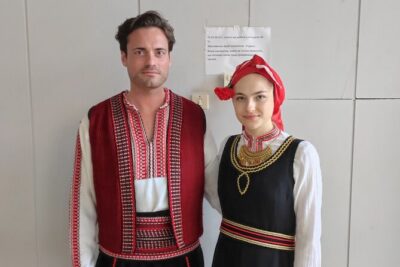
Then there is the costume moment. You dress in nosii, traditional folk clothing. This is one of those experiences that sounds simple, until you do it and realize how much it changes your sense of the evening. Suddenly you are not just watching tradition, you’re wearing part of it.
If you want a hands-on craft element, you’ll also get to weave on a razboi. Not everyone expects this. It turns the night from food and dancing into something with tactile learning, the kind you remember because you did it, not just because you photographed it.
A small reality check: wear clothes you are comfortable in for changing and moving. You’ll be part of the action, not just a spectator with a camera strap.
The food is the main event, and it is plentiful
This evening revolves around traditional local meals made from local produce. The best way to describe it is simple: go hungry. There is a lot of food, and it keeps coming in stages, which makes the meal feel like a journey rather than one quick plate.
The setting also boosts the food experience. Eating in a traditional home environment makes everything taste more meaningful. You’re not at a generic restaurant. You’re eating where the traditions are lived, shared, and explained.
You’ll also enjoy locally brewed rakia, typically served as part of the welcoming flow. Rakia is Bulgarian, and it’s part of the social ritual here. If you’d rather not drink alcohol, let the guide know early. You’ll still be part of the activities, but your drink choices should be clear before you start.
Even if you only care about eating well, this is a strong value move. Many tours give you a snack and call it dinner. Here, the food is clearly the centerpiece, and guests emphasize the home-made quality.
Other Bansko days worth a look
- Ski and Snowboard equipment rental in Bansko
★ 5.0 · 118 reviews - Bansko: Villa Victoria Thermal Pool Escape
★ 4.4 · 114 reviews - From Bansko: Horse Riding Experience
★ 4.2 · 70 reviews
Folk beliefs and evening stories that add meaning
The “folklore” part is not just in the clothes and dancing. You’ll also hear local evening stories of folk beliefs and traditions. This is the piece that turns a fun cultural evening into something that helps you understand what you are seeing.
I like these story segments because they answer the usual questions you have while dancing or looking at craft tools: Why this? Where did it come from? What did people believe, and how did that belief shape daily life?
You do not need to be a history buff. The hosts tend to explain in a way that makes sense even with language differences. What helps is that the stories connect directly to what happens next. You learn something, then you immediately see it in action, like how a craft or ritual fits into the rhythm of the community.
And yes, there can also be singing after dinner, which some guests highlight as a memorable moment. That kind of organic, family-style entertainment is exactly the point of this format.
Price and value: why $76 feels fair for a full cultural evening
At $76 per person for about three hours, this falls into the “experiences not souvenirs” category. You are paying for several things at once:
You get transportation from Bansko and back. You also get meals and drinks, not just a tasting. On top of that, you receive structured cultural activities, including dancing, dressing in nosii, and a craft moment with a razboi.
If you compare it to doing everything separately, the math often works out better than you expect. A good dinner in town costs plenty, and add on the cost of a tour with an English-speaking host, plus transportation, and you start to see why the price lands where it does.
The real value is the balance. You get:
- Enough food that you do not leave searching for one more place to eat
- Enough participation that you feel part of the culture, not a spectator
- Enough explanation that the evening has context, not just choreography
The price is also easier to justify if you are traveling with family or a small group. Multi-generational groups tend to enjoy it because the format includes both active participation and warm conversation.
Practical tips, allergies, and what to ask your host
Before you go, plan to share practical info. The tour asks you to advise if you have any allergies, and whether you are vegetarian or vegan. That matters because the meal is central. You will want the hosts to know your needs ahead of time so they can adjust.
If you avoid alcohol, tell the guide your preference before rakia is served. The data says rakia is included, so it will likely be offered during the evening. Clear communication helps you enjoy the rest of the evening without stress.
For what to bring:
- Comfortable shoes for dancing and moving around
- A layer for a village setting, especially in colder months
- Your phone for photos, but remember you’ll likely want to be in the moment too
And bring an open attitude. This kind of evening rewards you for joining in. Even if your dance skills are minimal, your willingness to participate is what makes the night feel special.
Who should book this folklore night, and who should skip it
This is a great fit if you want an authentic-feeling Bulgarian evening without needing to plan. It suits:
- Families with kids and grandparents (it can work across ages when the hosts guide everyone)
- Food lovers who want a real home-style meal
- People who enjoy crafts and group activities, not just watching
It is less ideal if:
- You have mobility impairments. The experience is not suitable for people with mobility impairments.
- You strongly prefer a quiet, sit-only tour format. This is social and active, with dancing and costume time.
- You do not want any alcohol at all. Rakia is part of the experience, so you’ll need to communicate early.
If you’re in Bansko and you want something memorable that goes beyond skiing and sightseeing, this checks a lot of boxes.
Should you book this Bansko folklore evening?
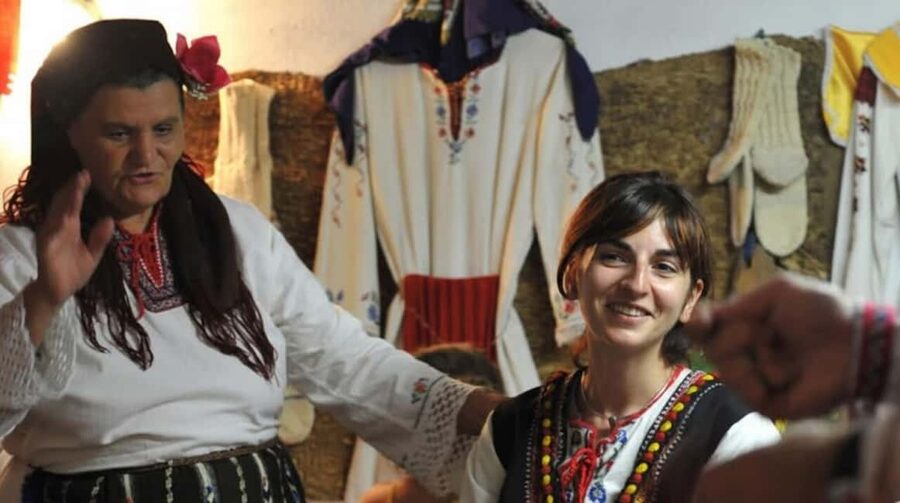
I think you should book if you want a full cultural evening where food, craft, stories, and participation all happen in one place. The hosts and the structure matter here. Baba Iana and Baba Elena-style welcome creates a friendly atmosphere, and the mix of dancing, nosii costumes, and a razboi weaving moment makes the night feel hands-on.
Skip it if you want a low-activity, fully seated experience, or if mobility is a concern. Also, consider the alcohol component and plan accordingly.
If you like traditions that you can actually do, eat, and wear for a few hours, this is the kind of tour that tends to stick in your memory long after dinner.
Added recently around Bansko
- Bansko: Rare Bulgarian Pets Experience★ 5.0 · 1 review
- Audio Guide for All Bansko & Pirin Sights, Attractions or Experiences★ 3.0 · 1 review
- Guided Rila Monastery Tour from Bansko★ 4.0 · 1 review
- Ski and Snowboard equipment rental in Bansko★ 5.0 · 2 reviews
- Bansko: Bulgarian Folklore Show 4-Course Meal Entertainment★ 5.0 · 2 reviews
- Spa day pass at Pulse Therme Bansko★ 5.0 · 2 reviews
- Bansko: Snowshoe and Poles Rental★ 5.0 · 2 reviews
Folklore & Dance Nights, compared.
Sofia by Night: Panoramic City Tour and Folklore Dinner
Read our review →
Sofia by Night Panoramic Tour with Dinner and Folklore Show
Read our review →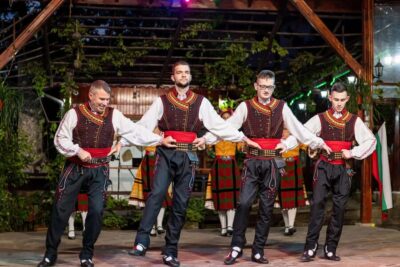
Private Sofia Night Tour with Bulgarian Folklore & Dinner
Read our review →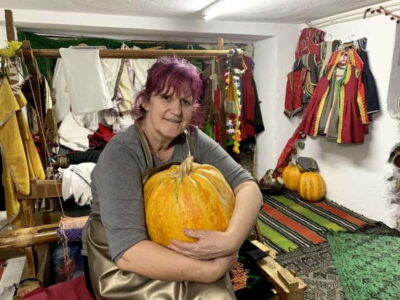
Gorno Draglishte: Local Folklore Experience w/ Food Tasting
Read our review →Bulgarian Folklore Show 4-Course Meal Entertainment
Read our review →Browse the lists this tour appears in