
Review · MUSEUMS
Self-Guided Tour in ISKRA Historical Museum
One museum, lots to think about in silence. The Iskra Historical Museum is one of Bulgaria’s oldest, started in 1901 by Kazanlak patriot Peter Topuzov, and it is packed with original exhibits tied to the Valley of Roses and the Thracian Kings. I love that the tour is self-guided with an e-guided format, so you move at your speed, and I also like the theme-based approach that lets you jump between subjects instead of doing one long, forced circuit.
The one possible drawback is timing and energy. The museum content is broad, and if you only give yourself a short visit, you might skim past the details you would normally linger on.
In This Review
- Key highlights you should know before you go
- Iskra Historical Museum: a self-guided pass into Kazanlak’s past
- What the e-guide gives you (and what it doesn’t)
- Touring the museum by themes: how to use the departments
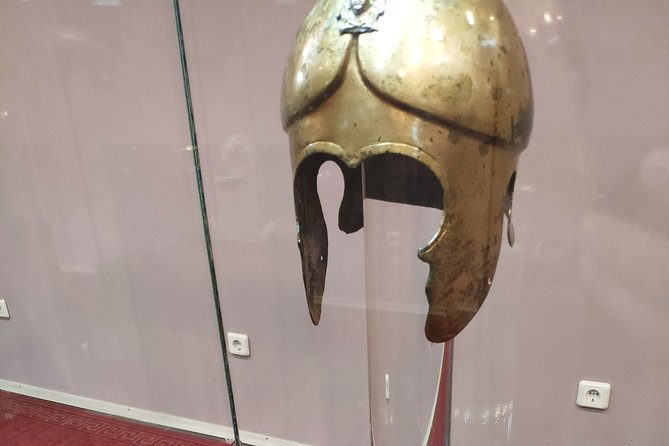
- The collections that make this museum worth real time
- Bone sickles, tools, and the story of work
- Thracian treasuries and the pull of power
- Ceramics, arms, and what people owned
- Jewelry and dresses: the human scale
- How long should you plan, 1 to 8 hours?
- When to go and how the opening hours affect your day
- Value for $22.16: what you really get
- Who this self-guided museum experience fits best
- A realistic game plan for your visit
- Should you book the Iskra Historical Museum self-guided e-tour?
- FAQ
- How much does the self-guided tour cost?
- How long does the museum visit take?
- What is included in the price?
- Is transportation included?
- Where is this experience located?
- What are the opening hours?
- Is the e-guide available on a phone or tablet?
- Is group discounts available?
- How does cancellation work?
- Do I get confirmation after booking?
Key highlights you should know before you go
- E-guided on your phone or tablet: read and explore without following a physical guide
- Ticket included: you are not juggling extra steps at the museum door
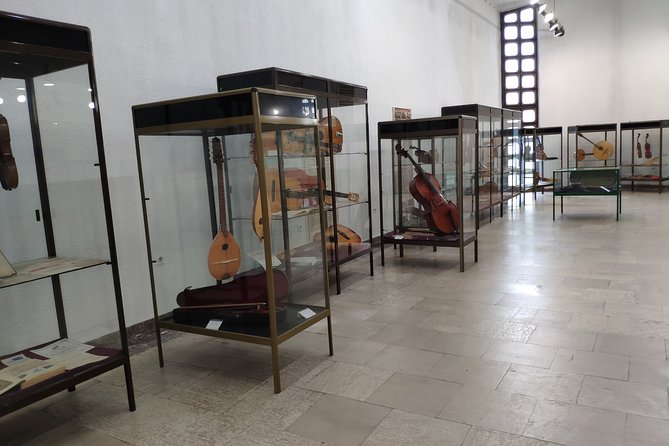
- Big collections with names you can track: bone sickles, Thracian treasuries, medieval ceramics, jewelry, and more
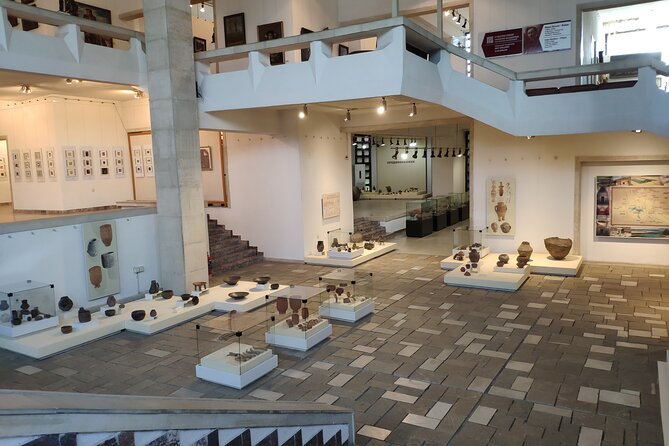
- Multiple themed departments: archaeology, Revival, New History, ethnography, and Modern History
- Flexible visit length: plan anywhere from 1 to 8 hours based on your curiosity
- Near public transportation: easier museum access than places that feel isolated
Museums with a spare hour in Bulgaria:
- Admission Ticket to the Museum of Illusions in Sofia★ 5.0 · 659 reviews
- From Sofia: Rila Monastery and Optional Museum, Cave or Spa★ 4.6 · 270 reviews
- Sofia: Museum of Socialist Art and Buzludzha Monument Tour★ 4.9 · 86 reviews
- Admission Ticket to Illusions in Museum in Veliko Turnovo★ 5.0 · 35 reviews
Iskra Historical Museum: a self-guided pass into Kazanlak’s past
If you like history that feels tangible, this is a strong pick. The Iskra Historical Museum is known for its long timeline of local culture, and the story is tied to two big regional themes: the Valley of Roses heritage and the world of the Thracian Kings. That mix matters, because you are not just looking at artifacts. You are also learning how people in this area lived, worked, dressed, traded, and defended themselves across centuries.
What makes this visit especially satisfying is the format. Instead of a fixed guided script, you get an electronic guide you can load on your phone or tablet and explore on your own terms. One review summed it up well: no groups, no physical guide, just you and the exhibits, at the pace that fits your brain. And honestly, that is the right way to enjoy museums like this, because some pieces deserve quick scanning, while others reward slow attention.
What the e-guide gives you (and what it doesn’t)
Here is what you can count on. Your experience includes an e-guided tour of the museum plus the ticket. In other words, you are not paying extra for entry on arrival, and you are not hunting for printed materials either.
The e-guide is designed for self-guided use, so you decide what to focus on and what to skip. You can pause and go back. You can spend more time with one department, then move fast through another. For me, that is the main value of this setup: it turns a museum visit from a rigid route into a menu.
The one thing to keep in mind is what is not included: transportation. The museum is described as near public transportation, which helps, but you still need to handle your own getting there. If you are planning a day with other stops, I suggest building in a little buffer so you can find the entrance calmly and start on time.
Touring the museum by themes: how to use the departments
The museum is organized into clear subject departments. That structure is great for self-guided visitors, because it makes your decisions easier. Instead of wandering randomly, you can choose a track based on your mood.
You will find the following departments:
- Archeology
- Revival
- New History
- Ethnography
- Modern History
If you are the type who likes patterns, start with archaeology first. It helps you set the baseline for older material culture, so later exhibits feel like they connect rather than sit in separate compartments. If you prefer human stories and everyday life, jump to ethnography. That is where you typically see items that communicate what people wore, how they decorated their lives, and what skills they relied on.
The Revival, New History, and Modern History departments work like time jumps. You get a sense of change without having to guess your way through dates. And because the visit is self-guided, you can spend longer in the era that grabs you most.
The collections that make this museum worth real time
This museum is not just about one famous object. It is about breadth, and the key collections are specific enough that you can target what you want.
More history on foot around Bulgaria:
- Sofia: History And Heritage – Small Group Guided Tour
★ 4.8 · 309 reviews - Full-day Nis and Serbian History Tour from Sofia
★ 4.5 · 90 reviews - Sofia: History and Heritage – Small Group City Tour
★ 5.0 · 84 reviews
Bone sickles, tools, and the story of work
One standout collection is bone sickles, noted as the biggest collection in South-Eastern Europe. That detail is not trivia to ignore. Tools like these are a window into food production, daily labor, and craft knowledge. If you are interested in agriculture or how people made do with available materials, this section is the kind you will want to linger on.
Even if you do not normally care about tools, looking closely at objects like sickles can change how you interpret a museum. It shifts you from seeing history as distant and grand to seeing it as practical and repeatable. People built lives around these objects.
Thracian treasuries and the pull of power
Another big draw is Thracian treasuries. This is where the Thracian Kings theme becomes more than a phrase. Treasuries often include precious items and crafted pieces that signal status, trade networks, and cultural identity.
For a self-guided visit, treasuries are best enjoyed with a simple rule: slow down for the display details and the craftsmanship. You are looking at more than the material value. You are reading symbols, workmanship, and local style choices. Even without a live guide, the electronic prompts can help you anchor what you are seeing.
Ceramics, arms, and what people owned
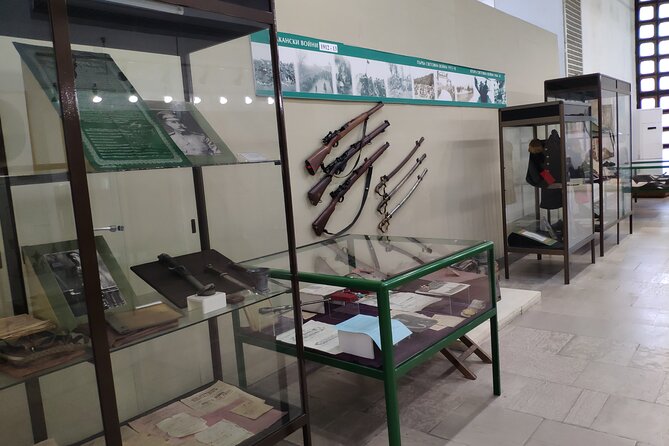
You can also look for medieval ceramics and collections of cold steel and firearms. Together, these categories help you understand both daily life and the forces that shaped it.
Ceramics tell you about cooking, storage, and household routines. Arms and firearms tell you about security and conflict, or at least the readiness people built into their world. The museum’s structure makes it easier to connect these dots, because you can return to a department when you want to compare objects across time.
Jewelry and dresses: the human scale
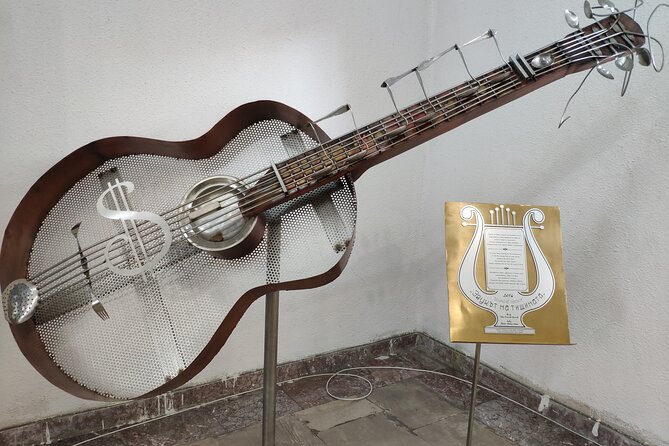
Finally, the museum includes jewelry and dresses from past lifestyles of local citizens. This section is where the past becomes personal fast. Clothing and jewelry are among the most immediate ways to imagine a person in a specific place and era.
I love this kind of exhibit because it helps you avoid treating history like a catalog. You start asking practical questions: Who wore this? On what occasions? What did it say socially?
How long should you plan, 1 to 8 hours?
The visit is listed as lasting about 1 to 8 hours, and that wide range is actually useful. It means you can tailor the museum time to your priorities.
Here is a practical way to decide:
- 1 to 2 hours: you will want to skim departments and focus on the biggest collections that match your interests, especially the bone sickles and a single themed department
- 3 to 5 hours: you can do a real museum pass, meaning you spend enough time in each department to understand how the sections relate
- 6 to 8 hours: do this if you truly enjoy objects and details, because you will likely keep circling back between departments as your curiosity grows
Because you are self-guided, you are not punished for taking breaks. If you feel the urge to reread a section or step back for another look, you can. That is one of the quiet strengths of the e-guide format.
When to go and how the opening hours affect your day
The museum is open daily from 9:00 AM to 6:00 PM, and the hours apply across the full operating window listed. That long daily window gives you flexibility if you are building a multi-stop day.
A simple planning trick: if you like a calm museum experience, aim to start mid-morning so you are not rushed before lunch. If you prefer a slower pace and more time with small objects, start earlier rather than later. And if you are pairing this with other sights, remember that a self-guided museum visit can stretch, especially if you keep finding new collections you want to see closely.
Value for $22.16: what you really get
At $22.16 per person, this is priced like a straightforward museum ticket plus guidance. Since the ticket and e-guide are included, you are paying for two things at once: entry and a way to understand what you are seeing.
For me, the value depends on your museum style. If you like looking at artifacts and reading context, the e-guide makes that time productive. If you are the type who wanders without reading much, you might not feel as much benefit. But if you enjoy learning and using your analytical side, the format fits you well, because it supports active attention instead of passive listening.
Also, there are group discounts, which can lower the per-person cost if you are traveling with friends or family. And since it is self-guided, it is easier to keep a group together while still giving each person freedom to focus.
Who this self-guided museum experience fits best
This works best for a few types of travelers:
- You love museums but dislike being tied to a schedule
- You prefer choosing your own pace, including spending longer with certain exhibits
- You enjoy culture and everyday life as much as big historical dates
- You are comfortable using your phone or tablet for an e-guide
It is also a decent fit if you are traveling solo or with someone who moves at a different speed. The whole point here is that you can slow down, speed up, and return to what caught your attention.
The museum is described as suitable for most travelers, and it is near public transportation, which helps if you want an easy stop without complicated logistics.
A realistic game plan for your visit
To get the most out of the self-guided setup, I suggest treating the museum like a set of choices, not one straight line.
Start by picking two “must-see” areas. For many people, those are bone sickles and Thracian treasuries, because they are distinctive and story-heavy. Then add one “bonus interest” based on your mood, like ceramics, arms, or the jewelry and dresses section.
As you move, keep track of what you feel curious about. If you notice you keep lingering in one department, give that department more time. The e-guide format is built for that kind of responsive touring. One of the best parts of exploring this way is that you do not have to pretend you are “doing everything.” You are allowed to choose what matters to you.
Should you book the Iskra Historical Museum self-guided e-tour?
Book it if you want a museum visit that feels flexible and thoughtful. The biggest reason is simple: you get an e-guided tour and the ticket in one go, and you can explore without a group rhythm. If you enjoy reading, observing objects closely, and connecting artifacts across themes like archaeology, ethnography, and Modern History, this is a good fit for your travel style.
Skip it or consider a shorter plan if you tend to rush through museums or prefer a live guide to fill in background on demand. With self-guided experiences, you get more control, but you also do the extra thinking yourself.
If your goal is a satisfying slice of Bulgaria’s cultural story, this one is an easy yes.
FAQ
How much does the self-guided tour cost?
The price is $22.16 per person.
How long does the museum visit take?
It is listed as lasting about 1 to 8 hours.
What is included in the price?
Your experience includes an e-guided tour of the museum and the museum ticket.
Is transportation included?
No, transportation is not included.
Where is this experience located?
It is listed in Sliven, Bulgaria, and the museum content focuses on the Kazanlak region and its heritage.
What are the opening hours?
The museum is open Monday to Sunday from 9:00 AM to 6:00 PM.
Is the e-guide available on a phone or tablet?
Yes. After booking, you are given an electronic guide you can load on your phone and tablet.
Is group discounts available?
Yes, group discounts are available.
How does cancellation work?
Free cancellation is available up to 24 hours in advance for a full refund.
Do I get confirmation after booking?
Yes, confirmation will be received at the time of booking.
Routes to Do Unguided in Bulgaria



Added recently around Bulgaria
- Architectural Open Air Museum – Etara and Veliko Tarnovo★ 5.0 · 1 review
- Private One-way Transfer Varna Airport to Hotel or vice versa★ 5.0 · 1 review
- Private Transfer from Varna (VAR) Airport to Albena★ 5.0 · 1 review
- Stone Forest and Aladzha Monastery Experience★ 5.0 · 1 review
- Private Quad around Borovets★ 5.0 · 1 review
- Ski & snowboard private lessons in Borovets★ 3.0 · 1 review
- Half-Day Hiking with Private Mountain Guide in the Seven Rila Lakes★ 5.0 · 1 review
Museums, compared.

Admission Ticket to the Museum of Illusions in Sofia
Read our review →
Rila Monastery and Optional Museum, Cave or Spa
Read our review →
Museum of Socialist Art and Buzludzha Monument Tour
Read our review →
Admission Ticket to Illusions in Museum in Veliko Turnovo
Read our review →
Buzludzha Monument and the Museum of Socialist Art
Read our review →
Old Town Guided Walking Tour & Audioguide & Museum
Read our review →
Browse the lists this tour appears in