
Review · MUSEUMS
Sofia Archaeology and History Museum Guided Tour
Sofia history is best read with a guide. This 2.5-hour tour strings together two major sites, the National Archaeological Museum in a 15th-century mosque and the Sofia History Museum in the old mineral bathhouse, with an English-speaking guide who explains what you’re looking at. You get a guided walk that follows the logic of time, from early civilizations into the Middle Ages, then flips to how Sofia’s own story develops across thousands of years.
I really like two things here. First, the guide approach makes the collections feel understandable, with clear explanations that help you notice what matters in each room. Second, you cover big time stretches in one outing, including the Prehistoric Hall, the Vault of Thracian Treasures, and then a museum that spans over 8,000 years in themed halls. One possible drawback is that it’s a concentrated museum route, so if you want lots of outdoor wandering and casual street time, you will need extra hours before or after.
In This Review
- Key highlights worth planning around
- Why this 2.5-hour Sofia museum pairing works so well
- Stop 1: The National Archaeological Institute in the Boyuk Mosque
- Prehistoric Hall and the art of asking better questions
- The Vault of Thracian Treasures is the headline moment
- Classical Period and Middle Ages, explained as a timeline
- Stop 2: Sofia History Museum in the former Central Mineral Bathhouse
- What the eight halls help you understand
- How the guide brings the story together (Vessy’s teaching style)
- Price and value: what you get for $84.69
- Timing, meeting points, and how to make the route painless
- Who should book this guided tour, and who might not love it
- Final verdict: should you book this Sofia tour?
- FAQ
- What does the Sofia Archaeology and History Museum guided tour cost?
- How long is the tour?
- Is the tour offered in English?
- What are the main stops during the tour?
- What is included in the price?
- Where does the tour start and end?
- Is this tour private?
- Do I need a printed ticket?
- What is the cancellation policy?
Key highlights worth planning around
- Boyuk Mosque setting: the National Archaeological Museum sits in a medieval mosque built in 1494.
- A time-ordered route: galleries are organized by historical periods, so the tour follows a clear timeline.
- Thracian Treasures stop: you get guided time in the Vault of Thracian Treasures, not just a quick pass.
- Central Mineral Bathhouse history: the Sofia History Museum uses a building from 1913, so the setting is part of the story.
- 8,000 years in eight halls: the tour format helps you connect artifacts to people and city life.
Museums with a spare hour in Sofia:
- Admission Ticket to the Museum of Illusions in Sofia★ 5.0 · 659 reviews
- From Sofia: Rila Monastery and Optional Museum, Cave or Spa★ 4.6 · 270 reviews
- Sofia: Museum of Socialist Art and Buzludzha Monument Tour★ 4.9 · 86 reviews
- Rakia Museum Entrance Ticket★ 5.0 · 27 reviews
Why this 2.5-hour Sofia museum pairing works so well
If you only have a day in Sofia, this is a smart way to build context fast. You go from “where did these cultures come from” to “how did Sofia grow” without changing gears too often. The pacing is tight but not rushed, because you have a guided through-line.
The tour runs about 2 hours 30 minutes, which is long enough to cover the big rooms yet short enough to keep your afternoon open. It also helps that it is offered in English, so you are not stuck decoding labels on your own. And since it is a private activity for your group, the experience is less likely to turn into a loud pack shuffle.
Stop 1: The National Archaeological Institute in the Boyuk Mosque
Your tour starts at the Old City Center, ul. Saborna 2. From there, you head to the National Archaeological Institute and Museum, a site tied to Bulgaria’s museum story as well as the ancient one. The institute dates to 1894, and the museum’s home is the Boyuk Mosque, built in 1494, which means you get two layers of history before you even reach the galleries.
Inside, the museum spreads across two floors, and the collections are organized by historical period. That matters, because you are not just looking at objects, you are learning how time periods connect. You move through themed spaces that guide your attention, instead of wandering and hoping you understand the chronology.
Prehistoric Hall and the art of asking better questions
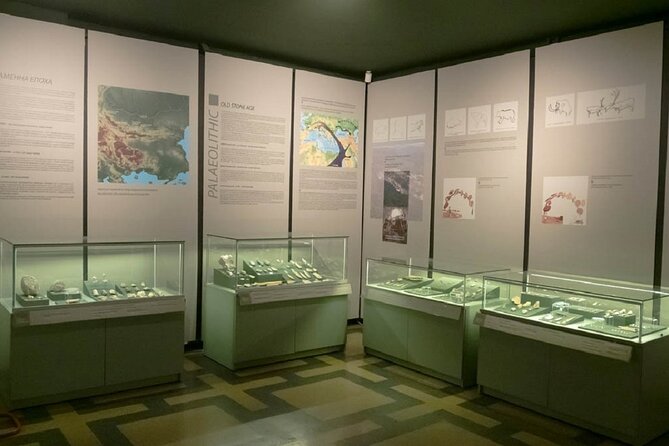
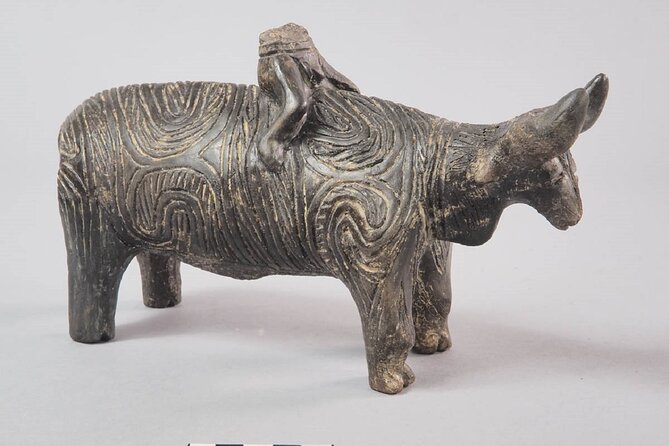
The first rooms focus on the Prehistoric Hall. This is one of those stops where a guide can turn a lot of small details into something you can actually remember. You tend to notice patterns faster when someone explains what to look for, such as how tools, burial practices, or early craft techniques reflect how people lived.
If you are a museum person, you will appreciate this setup. If you are not, you can still benefit because the tour gives you a short list of what each period is trying to show. That saves time and prevents the classic museum feeling of, I’m just staring at things.
The Vault of Thracian Treasures is the headline moment
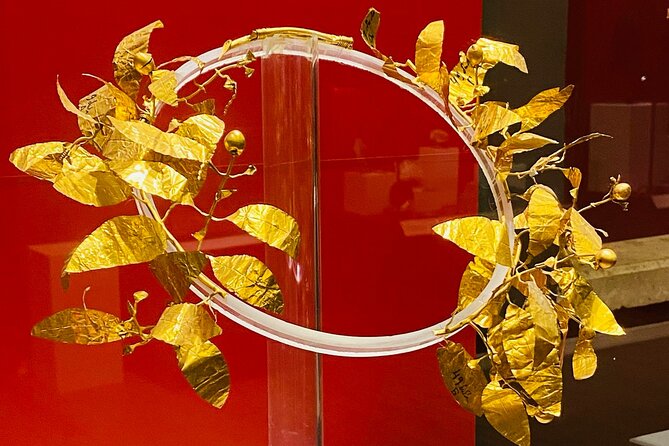
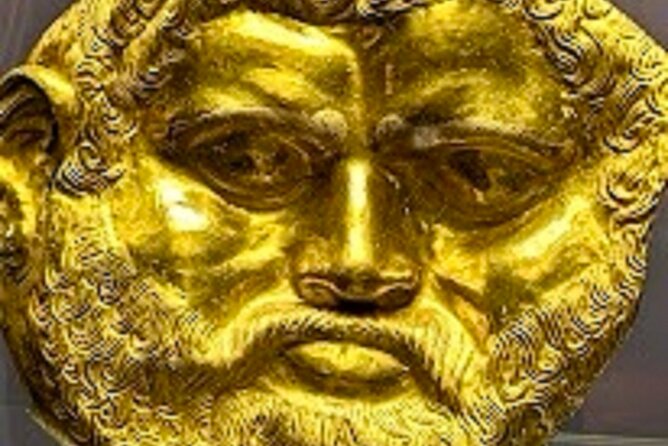
Next comes the Vault of Thracian Treasures. The name alone tells you what kind of experience this is: a concentration of extraordinary finds, designed for impact. It is also a key learning point, because Thracians are not always front-and-center on typical Balkan itineraries, even though their legacy shows up across the region.
One practical tip: slow down here. Even if the group keeps moving, you can still give yourself a few extra seconds on the most impressive pieces. The guide’s explanations help you understand why these objects were made and why they matter, which turns a quick look into something you keep.
More history on foot around Sofia:
- Full-day Nis and Serbian History Tour from Sofia
★ 4.5 · 90 reviews - Sofia: History and Heritage – Small Group City Tour
★ 5.0 · 84 reviews - Sofia Communist History 2-Hour Tour in a Classic Trabant
★ 5.0 · 45 reviews
Classical Period and Middle Ages, explained as a timeline
After the Thracian-focused rooms, you continue through galleries tied to the Classical Period and then the Middle Ages. This is where the two-floor, period-by-period design pays off. You can see how styles, materials, and cultural priorities shift as centuries pass.
The best part of moving through these halls with a guide is that you are not just memorizing names. You start to understand relationships: what changes over time, what stays recognizable, and how Sofia sits within bigger regional currents.
Stop 2: Sofia History Museum in the former Central Mineral Bathhouse
After you wrap up the National Archaeological Museum, you move to the Sofia History Museum. This one lives inside the former Central Mineral Bathhouse, built in 1913, which gives the visit a distinctly Sofia flavor. You are not only learning about people and politics. You are standing in a building that once served everyday city life.
The Sofia History Museum presents a permanent exhibition spanning over 8,000 years. It uses eight thematic halls, and that structure is genuinely helpful because it avoids the trap of a wall of artifacts with no story. Instead, the themes let you connect objects to city growth and social change.
What the eight halls help you understand
The themed sections include:
- treasures from antiquity
- the power and spirit of the past
- the dynasty’s ties to Western Europe
- the evolution of a Sofia street
- state and municipal institutions
- homes, clothing, and the cultural vibrancy of Sofia’s citizens
That mix is what makes the museum feel like a tour of real life, not only royal stuff or only ancient stuff. You see how power shows up in institutions, how daily identity shows up in clothing and home life, and how Sofia’s urban shape evolves through time.
How the guide brings the story together (Vessy’s teaching style)
One review specifically praises an English guide named Vessy, and you can feel why that matters. Clear, engaging explanations are not just nice to have in a museum. They are what makes the difference between collecting random facts and building a mental map.
In practical terms, a good guide helps you do three things:
- pick out what is important in a room full of objects
- understand how one period connects to the next
- remember the big ideas later, even after you leave
I like that the tour is designed for understanding, not just access. When your guide’s explanations are easy to follow, you spend less time stuck on labels and more time feeling confident about what you are seeing.
Also, this tour is offered in a group format, but it is still private for your group. That means the guide can keep the pace aligned to your group’s questions rather than forcing everyone to stay on the exact same meter.
Price and value: what you get for $84.69
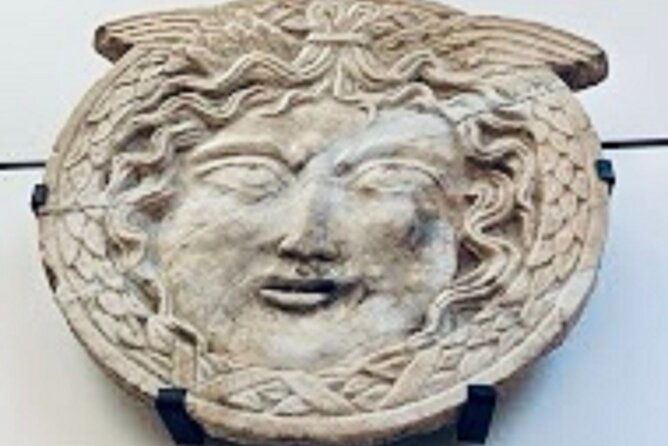
The price is $84.69 per person, which sounds like a lot until you break down what’s inside. You are paying for guided time plus entrance tickets to two museums, with an English guide leading the route and keeping the timeline clear.
Is it cheaper than going on your own? Yes, usually. But that is not always the right comparison. The value here is time and understanding. Two major museums in one outing, explained in a way that helps you connect eras, can easily cost you a lot of self-guided browsing time. If you only have limited hours in Sofia, a guided structure often feels like a time-saving deal.
You also get extras that help reduce friction: mobile ticketing and group discounts. Those details matter if you are traveling with friends or family and want everyone’s entry handled smoothly.
Timing, meeting points, and how to make the route painless
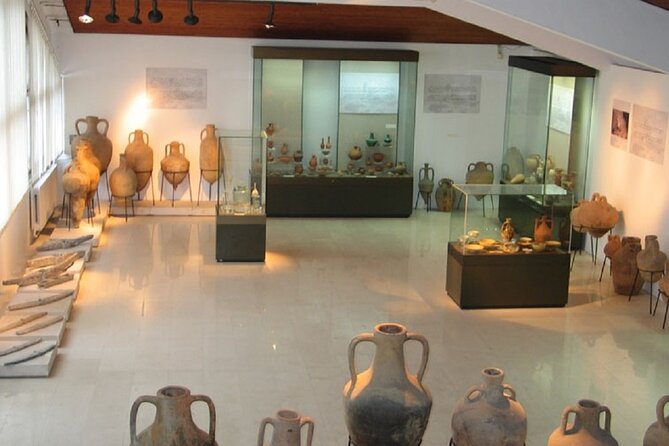
The start is Old City Center, ul. Saborna 2, Sofia. The tour ends next to the Sofia history museum, at Old City Center pl. Banski 1.
This end location can be convenient because it leaves you near the museum area, which is a natural place to continue exploring on your own. If you like to plan your day by geography, this helps: you are not bouncing across the city after a long museum session.
One small piece of advice: since it is near public transportation, you can keep your plans flexible. If you arrive early, you might want to take a few minutes to get your bearings before the guide starts, so you are ready to listen from the first stop.
Who should book this guided tour, and who might not love it
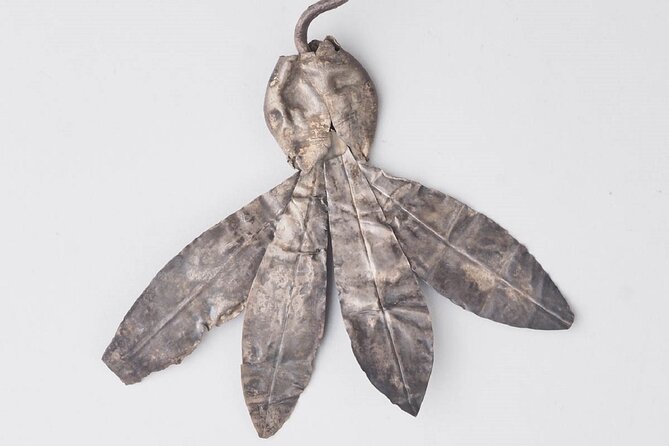
I think this tour is best for you if:
- you want a guided introduction to Sofia’s archaeology and city history
- you like a clear timeline from ancient periods to later Sofia
- you prefer not to guess your way through labels
It may be less ideal if:
- you want lots of outdoor time and long stops for wandering
- you already know the periods well and only want to skim objects
Also, it is stated that most people can participate, which suggests it is not designed as a highly specialized activity. If you have never visited these museums, you are likely to get a lot out of the structure.
Final verdict: should you book this Sofia tour?
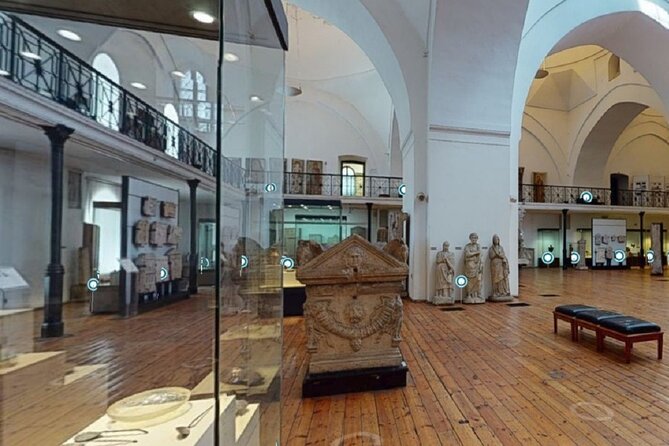
Yes, I would book it if you want one solid, guided route through two top museums in Sofia. The combination of the Boyuk Mosque setting, a focused stop at the Vault of Thracian Treasures, and then the 8,000-year Sofia story in the old bathhouse creates a satisfying arc. And the praise for Vessy’s clear explanations is exactly what you want from a museum guide, especially when you are trying to understand a lot of time periods fast.
If your budget is extremely tight, you might consider a DIY day. But if your goal is understanding and efficiency, this tour gives you both.
FAQ
What does the Sofia Archaeology and History Museum guided tour cost?
It costs $84.69 per person.
How long is the tour?
The tour runs for about 2 hours 30 minutes.
Is the tour offered in English?
Yes, it is offered in English.
What are the main stops during the tour?
You visit the National Archaeological Museum and the Sofia History Museum.
What is included in the price?
Included are the visits to both museums, a guided tour, and entrance tickets.
Where does the tour start and end?
Start: Old City Center, ul. Saborna 2, 1000 Sofia.
End: next to the Sofia History Museum area, at Old City Center, pl. Banski 1, 1000 Sofia.
Is this tour private?
Yes. It is described as a private tour or activity, so only your group participates.
Do I need a printed ticket?
No. The tour offers a mobile ticket. It also mentions group discounts.
What is the cancellation policy?
You can cancel for a full refund if you do it at least 24 hours before the experience’s start time. Cancellation less than 24 hours before the start is not refunded.
Added recently around Sofia
- Archaeological tour-From the Neolithic to Modern times in Augusta Trayana★ 5.0 · 1 review
- Sofia Full Day Tour★ 5.0 · 1 review
- PRIVATE adventure to Rila Lakes – GROUP price for 6★ 5.0 · 1 review
- 05.12.2026 Night of the Stars Show Ticket with Exclusive Access★ 5.0 · 1 review
- Melnik & Rozen Monastery Tour: Wine Tasting, History, Scenic Walk★ 5.0 · 1 review
- Small-group Weekend trip to Bulgaria’s most famous sites★ 5.0 · 1 review
- Exclusive Afternoon Wine & Appetizers with Local★ 5.0 · 1 review
Museums, compared.

Admission Ticket to the Museum of Illusions in Sofia
Read our review →
Rila Monastery and Optional Museum, Cave or Spa
Read our review →
Museum of Socialist Art and Buzludzha Monument Tour
Read our review →
Admission Ticket to Illusions in Museum in Veliko Turnovo
Read our review →
Buzludzha Monument and the Museum of Socialist Art
Read our review →
Old Town Guided Walking Tour & Audioguide & Museum
Read our review →
Browse the lists this tour appears in