
Review · FOOD & DRINK
Sofia: Flea and Food Markets Tour
Sofia surprises you when you eat first. This one day tour threads Sofia’s markets with a friendly English speaking guide and four chances to sample Bulgarian food. I love how the stops connect what you taste to what Sofia has been through, and I especially like that you get expert local guidance instead of wandering at random.
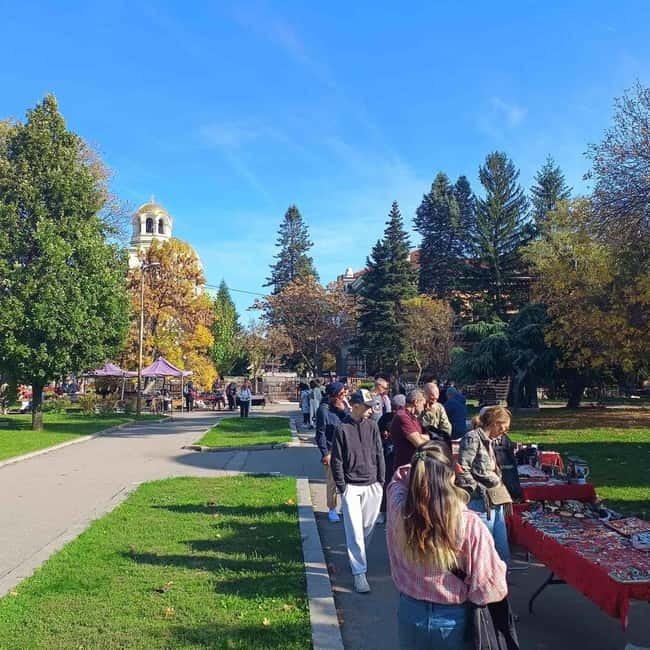
You’ll move through classic market hubs and browse for souvenirs and antiques along the way. Expect to pass big landmarks like Alexander Nevsky Cathedral, Roman ruins, Banya Bashi Mosque, Sofia Synagogue, and Lion Bridge while your guide explains how different eras shaped the city.
One key drawback is simple: you walk around 3 kilometers (about 2 miles) over the day. If you have mobility issues or use a wheelchair, this route is not a match.
In This Review
- Key Things I’d Put on Your Radar
- Why Sofia’s Markets Feel Like Different Eras in One Day
- Meeting at Crystal Park and the Walking Math That Matters
- Flea Market First, Antiques and Postcard Souvenirs Second
- Central Market Hall for Food You Can See Up Close
- Hali Market: A Useful Mix of Shopping, Snacking, and Storytelling
- Women’s Market and the Ottoman Thread in What You Taste
- The Landmark Walk: Cathedral, Synagogue, Mosque, Roman Ruins, and More
- What You’ll Eat on the Four Food Stops
- Guides Make or Break the Experience, and Sofia Delivers
- Price and Value: $50 That Buys More Than Snacks
- Timing Reality Check: Plan Your Evening Buffer
- Who This Tour Suits Best, and Who Should Skip It
- Should You Book the Sofia Flea and Food Markets Tour?
- FAQ
- What is the duration of the Sofia Flea and Food Markets Tour?
- How much does it cost?
- What does the tour include?
- Where do I meet the guide?
- How much walking is involved?
- Is the tour suitable for wheelchair users or mobility impairments?
Key Things I’d Put on Your Radar
- Four food stops designed to help you sample Sofia cuisine without turning it into a scavenger hunt
- Markets tied to Sofia’s eras, from Ottoman presence to the communist period and beyond
- Antiques and souvenir browsing built into the route, not tacked on at the end
- Landmark spotting with context as you pass Cathedral, mosques, synagogues, and Roman ruins
- English speaking guides with real personality, including praised guides like Theodora, Nesi, Ivo, and Daniella
- About 3 kilometers of walking, so comfy shoes are part of the plan
Further food tours in Bulgaria:
- Sofia: Wine & Cheese Tasting Experience★ 4.9 · 674 reviews
- Wine Tasting in Heart of Sofia★ 5.0 · 545 reviews
- Sofia: Guided Tasting of Local Wines and Cheeses★ 4.6 · 181 reviews
- Special History And Wine Tour including Wine Tasting★ 5.0 · 63 reviews
Why Sofia’s Markets Feel Like Different Eras in One Day
Sofia’s markets are not just places to buy snacks. They are everyday museums, where ingredients, shop styles, and even the vibe of each area hints at a different chapter in Bulgaria’s story.
This tour leans into that idea in a smart way. Instead of listing dates, your guide connects history to food culture, then gives you time to taste, ask questions, and look around. The result feels like learning without lecture mode, and you usually finish the day with both a better understanding of the city and a stomach that does not want dinner plans.
Meeting at Crystal Park and the Walking Math That Matters
You meet at the Stefan Stambolov Monument in Crystal Park. Plan to arrive about 10 minutes early so you do not start stressed.
The walking is about 3 kilometers (2 miles), but with market time and food stops it feels like a full day, not a quick stroll. Bring comfortable shoes and clothes you can move in. If you are the type who gets sore easily, pace yourself, because you are on your feet while you browse and eat.
Flea Market First, Antiques and Postcard Souvenirs Second
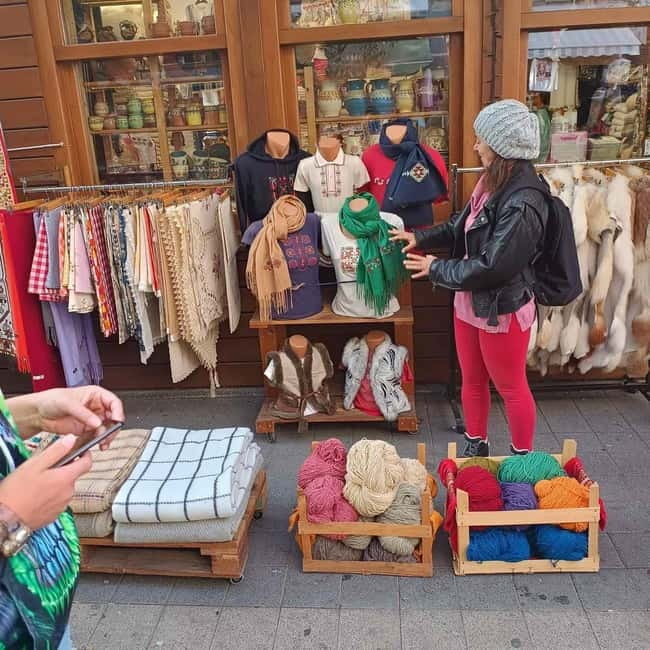
The Flea Market stop is where many people start feeling the classic Sofia market energy. You peruse stalls and small shops, and you can treat it like a treasure hunt for antiques and souvenirs.
This is also the kind of stop where an expert guide pays off. You get context for what you are seeing and why it fits with Bulgaria’s shifts over time. It is not only about buying something, it is about learning how everyday commerce reflects bigger historical changes.
Practical note: flea markets can mean lots of small turns and uneven surfaces. Take your time, keep an eye on your footing, and slow down when something catches your eye.
Central Market Hall for Food You Can See Up Close
Central Market Hall is a highlight for people who like markets that feel structured and intense in the best way. This is where you typically get a deeper taste of Bulgarian everyday food culture, not just a snack on the go.
A big win here is how the tour’s rhythm works. You are not asked to sprint from one tasting to the next. You get a guided introduction, a food stop that is part of the story, then time to look around before moving on.
If you like learning while you eat, this stop is a strong one. The guides are praised for explaining the background behind the dishes, including how outside influences shaped local favorites.
Where to eat around Bulgaria:
- Sofia Afternoon Walking Tour with Wine and Food Tasting
★ 4.5 · 43 reviews - Sofia Food & Tasting Tour with Communist-Era Tram Ride
★ 5.0 · 35 reviews - Food Walk: Bulgarian Food and Culture Tour in Plovdiv
★ 5.0 · 35 reviews
Hali Market: A Useful Mix of Shopping, Snacking, and Storytelling
Hali Market continues the tour’s theme of history you can walk through. You will pass through another market area and keep connecting what you are experiencing to different eras in Sofia.
Food stops here help the tour feel grounded. You taste Bulgarian food in an environment where locals shop and snack, which makes the flavors feel less like a staged performance and more like something that belongs in daily life.
This is a good time to ask questions. Guides like Ivo and Daniella have been specifically praised for answering everything from food origins to city history in an easy, friendly way. If you are curious about why certain flavors show up again and again in Bulgarian cuisine, this is where you can get that answer.
Women’s Market and the Ottoman Thread in What You Taste
Women’s Market is the final major market stop, and it is a fitting ending for anyone who likes to browse. You will have time to peruse souvenirs and market goods while your guide ties the themes together.
What stands out is the way the tour frames Sofia’s influences. You learn about the Ottoman presence in Bulgaria and how that shaped what became familiar in Bulgarian food culture. One of the most memorable takeaways from the experience is the connection between influences and everyday items you may recognize, like Bulgarian yogurt and spring water.
The last food stop includes a soft drink, so you get that final reset before you head off into the rest of your day with the streets of Sofia still in your senses.
The Landmark Walk: Cathedral, Synagogue, Mosque, Roman Ruins, and More
This is not a pure market crawl. Along the route you pass major Sofia sights and get short history explanations tied to what you are seeing.
You may go by Alexander Nevsky Cathedral and Saint Sofia Church, then continue toward areas with Roman ruins and the kind of layered architecture that signals multiple eras. The route can also include Banya Bashi Mosque and Sofia Synagogue, plus Lion Bridge.
Why I like this approach for a food tour: it helps you understand the city beyond the smell of grilled snacks. When you see the landmarks in motion, even briefly, they start to make sense, and the history stops feeling like trivia.
What You’ll Eat on the Four Food Stops
The tour includes 4 food stops with local dishes. You also get a soft drink at the last stop.
The exact items can vary with the day and the market flow, so focus on the bigger promise: you are tasting Bulgarian cuisine in multiple places instead of repeating the same thing over and over. This matters because Bulgarian food is not one flavor. It is a set of traditions shaped by different periods and influences, and the guide helps you make sense of that while you eat.
If you are the kind of eater who likes to understand what a food is and why it exists, lean in during explanations. Guides on this tour have been praised for linking food to Bulgaria’s broader history, not treating it like a separate category.
And yes, come hungry. Several people highlighted that the tastings felt plentiful, and that they left pleasantly full rather than nibbling for the sake of ticking a box.
Guides Make or Break the Experience, and Sofia Delivers
A huge part of the appeal is the quality of the local guides. People have praised multiple guides by name, including Theodora, Nesi, Ivo, and Daniella, for being friendly, warm, and genuinely invested in sharing context.
What matters to you is how that plays out on the walk. The best moments are the small exchanges, the way your guide can steer you to what to look for in a market stall, and the way questions get answered without making you feel like you are slowing things down.
Some guides also handle practical help beyond the scripted parts. One example: a guide helped with parking tickets and arranging a taxi back to a car. That kind of hands on support is not guaranteed, but it tells you the people running these tours pay attention to more than just the checklist.
Price and Value: $50 That Buys More Than Snacks
At $50 per person for a one day tour, you are paying for three things: a guided walk, four food stops, and added context through city history and landmark explanations.
If you tried to copy the same day on your own, you would likely spend similar money just on food, then still have to figure out where to go and what to ask. Here you get the structure. It is also easier to taste widely because you are not choosing menu items blindly.
For the money, I think the real value is the balance: markets plus tastings plus history. If you enjoy local street food and also want your brain fed, this tends to feel like a good use of your first days in Sofia.
Timing Reality Check: Plan Your Evening Buffer
One consideration is timing. A past participant described the tour running later than expected, which affected evening plans.
That can happen with any market based walking tour, especially when stalls are lively or when the group is slow to leave a good spot. My practical advice: keep dinner plans flexible the same day, or at least build in an extra hour cushion.
Who This Tour Suits Best, and Who Should Skip It
This tour is a great fit if you:
- Want a first day orientation in Sofia without doing museum fatigue
- Like food tours that explain why flavors and traditions make sense
- Enjoy browsing markets for antiques and souvenirs
- Prefer small context moments rather than long lecture style history
Skip it if:
- You have mobility impairments or use a wheelchair
- Walking 3 kilometers is already a strain for your body
- You want a fully sit down experience, because the day is built around market walking and standing while you eat
Should You Book the Sofia Flea and Food Markets Tour?
Book it if you want a smart blend of market browsing, Bulgarian food, and city history you can actually connect to what you see on the street. The four tastings plus the guide explanations are the core reason it works, and the route through landmarks like Alexander Nevsky Cathedral and Banya Bashi Mosque adds context without adding extra effort.
I would personally recommend it as an early tour in your Sofia trip. It helps you understand what you are walking past later, and it gives you a taste benchmark for what you should seek out on your own after the tour ends.
If walking distance is an issue, or if you need step free access, look for a different format. Otherwise, this is one of the best ways to get your Sofia footing quickly, while eating your way through the city’s different eras.
FAQ
What is the duration of the Sofia Flea and Food Markets Tour?
The tour lasts 1 day.
How much does it cost?
It costs $50 per person.
What does the tour include?
You get an expert local guide, four food stops with local dishes, and a soft drink at the last food stop.
Where do I meet the guide?
Meet at the Stefan Stambolov Monument in Crystal Park. Arrive 10 minutes before the activity starts.
How much walking is involved?
Expect about 3 kilometers (2 miles) of walking during the tour, including stops.
Is the tour suitable for wheelchair users or mobility impairments?
No. The tour is not suitable for people with mobility impairments or wheelchair users.
Added recently around Bulgaria
- Architectural Open Air Museum – Etara and Veliko Tarnovo★ 5.0 · 1 review
- Private One-way Transfer Varna Airport to Hotel or vice versa★ 5.0 · 1 review
- Private Transfer from Varna (VAR) Airport to Albena★ 5.0 · 1 review
- Stone Forest and Aladzha Monastery Experience★ 5.0 · 1 review
- Private Quad around Borovets★ 5.0 · 1 review
- Ski & snowboard private lessons in Borovets★ 3.0 · 1 review
- Half-Day Hiking with Private Mountain Guide in the Seven Rila Lakes★ 5.0 · 1 review
Food & Drink, compared.
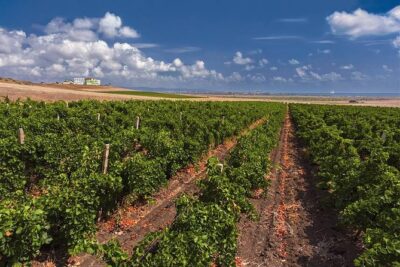
Special History And Wine Tour including Wine Tasting
Read our review →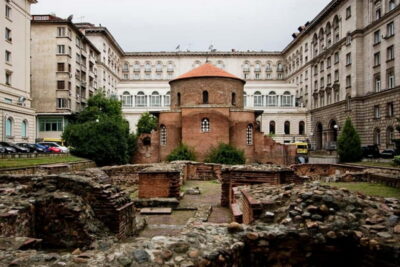
Sofia Afternoon Walking Tour with Wine and Food Tasting
Read our review →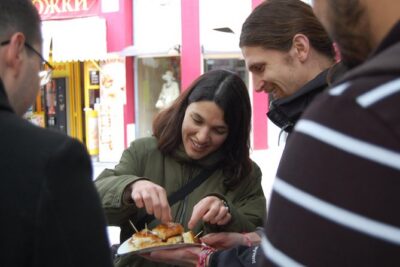
Food Walk: Bulgarian Food and Culture Tour in Plovdiv
Read our review →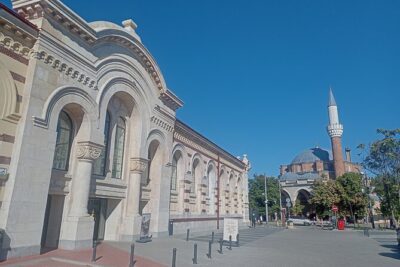
Sofia Food & Tasting Tour with Communist-Era Tram Ride
Read our review →
Private Wine Tasting in the UNESCO town of Nessebar
Read our review →Browse the lists this tour appears in