
Review · MUSEUMS
Sofia: National Gallery Kvadrat 500 Guided Tour
Sofia’s art walk starts with a cathedral. I like how the tour kicks off at Alexander Nevsky Cathedral, then moves fast to the gallery, so you get context right away. I also love the small group size (up to 8), which makes it easy to ask questions without shouting over everyone. One thing to consider: it’s not suitable for wheelchair users, and the gallery has rules like no flash and restrictions on large bags.
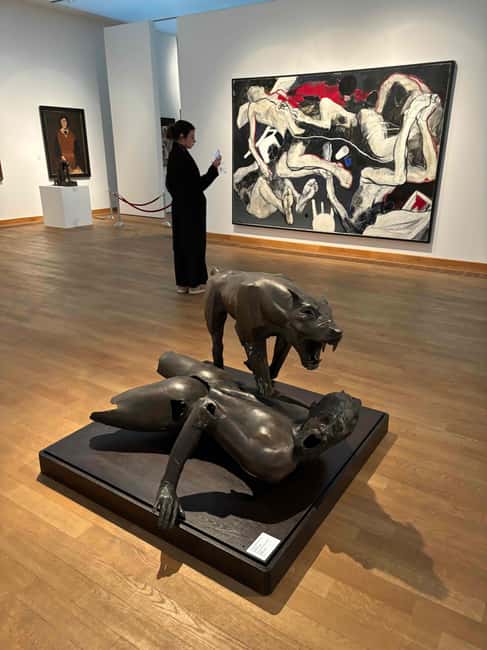
In two hours, you cover a lot of ground across four levels, from Bulgarian art of the 19th and 20th centuries to European works ranging from the Renaissance to Impressionism. You’ll also encounter rarer pieces linked to Asia, Africa, and the Americas, with an expert guide explaining the stories behind what you see.
In This Review
- Key Points You’ll Care About
- Meeting at Alexander Nevsky, Then Seeing Art With Context
- Why This Two-Hour Tour Is a Smart Use of Time
- National Gallery Kvadrat 500: What You See and How It’s Framed
- The Four Floors: A Clear Path From Bulgaria to the Wider World
- Level One, Bulgarian Art From the 19th and 20th Centuries
- European Art, From Renaissance to Impressionism
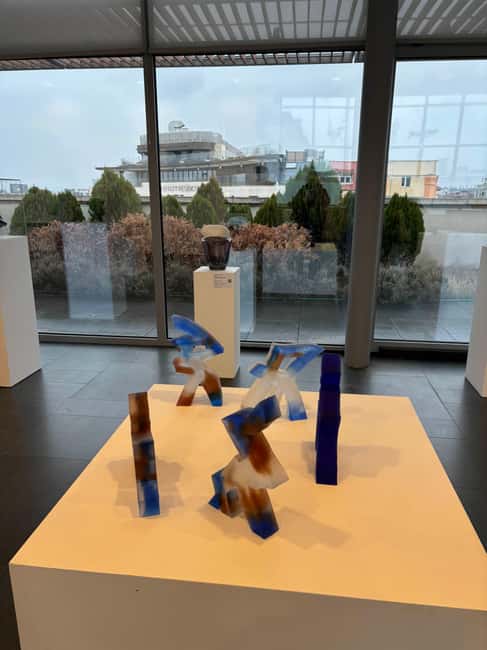
- Asia, Africa, and the Americas: Rare Works and Different Cultural Lenses
- How the Floors Work Together
- Small Group, Real Questions, and Faster Learning
- What’s Included, What’s Not, and How to Plan Around It
- Practical Rules Inside the Gallery (So You Don’t Get Stuck)
- Price and Value: Is $33 Worth a Guided Highlights Tour?
- Who This Tour Fits Best
- Should You Book This National Gallery Kvadrat 500 Tour?
- FAQ
- Where does the tour start?
- How long is the tour?
- How many people are in the group?
- What languages is the tour guide speaking?
- Is the entry ticket to the gallery included?
- What is the price per person?
- What should I bring?
- Is flash photography allowed?
- Is the tour accessible for wheelchair users?
Key Points You’ll Care About
- Meet at St. Alexander Nevski at 16:00, then walk a few minutes to the gallery
- Small-group feel (max 8) for real conversation, not a lecture
- Four gallery levels linking Bulgarian art to broader European and world collections
- Guide-led storytelling that gives paintings and sculptures clear historical meaning
- Entry ticket included, so you skip one step at the door
- Gallery rules matter: comfortable shoes, no flash photography, limit large bags
Museums with a spare hour in Sofia:
- Admission Ticket to the Museum of Illusions in Sofia★ 5.0 · 659 reviews
- From Sofia: Rila Monastery and Optional Museum, Cave or Spa★ 4.6 · 270 reviews
- Sofia: Museum of Socialist Art and Buzludzha Monument Tour★ 4.9 · 86 reviews
- Rakia Museum Entrance Ticket★ 5.0 · 27 reviews
Meeting at Alexander Nevsky, Then Seeing Art With Context
Your tour starts outside the main entrance of St. Alexander Nevski Cathedral, at 16:00, where the guide carries a sign that says Travel Services. The timing is smart. You get your bearings in one of Sofia’s most recognizable landmarks first, and the guide frames why the cathedral matters before you ever step inside the art gallery.
Alexander Nevsky Cathedral is not just a backdrop. It’s a reference point for the city’s identity, and the guide connects that significance to what you’ll see later in the museum. That matters because art hits harder when you understand what a society values, what it remembers, and what it tries to express.
After that, you stroll to the National Gallery Kvadrat 500, just a few minutes away. This quick transition keeps the pace lively. You spend your energy looking, not traveling.
Why This Two-Hour Tour Is a Smart Use of Time
A two-hour highlights tour sounds simple until you try to do a museum the same way on your own. This format solves that problem. You get a structured route through multiple floors, plus commentary that helps you interpret what you’re seeing.
This is also where the small group earns its keep. With a cap of eight participants, you’re more likely to get answers tailored to your interests. If you want more explanation about a style, a symbol, or a historical moment, you can actually ask. With bigger groups, you usually get one shared answer and move on.
The tour also includes the gallery entry ticket, which tightens the value. You’re paying for time with an expert guide plus access, not just access.
National Gallery Kvadrat 500: What You See and How It’s Framed
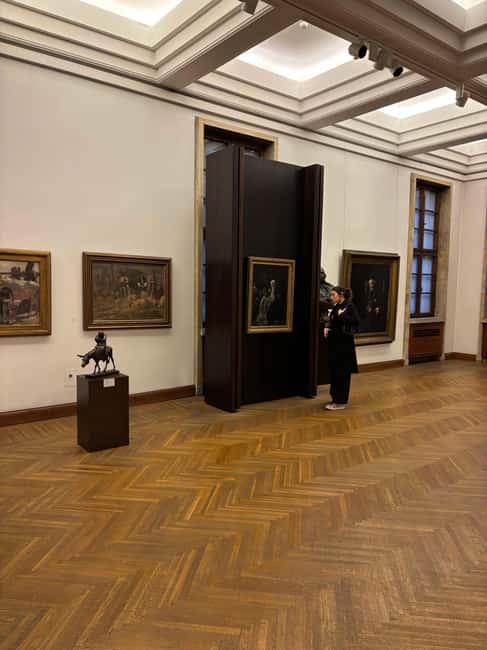
The National Gallery Kvadrat 500 is described as Sofia’s largest art gallery, and that size is exactly why you want a guide. When you walk in alone, you can end up bouncing between rooms with no sense of the bigger story.
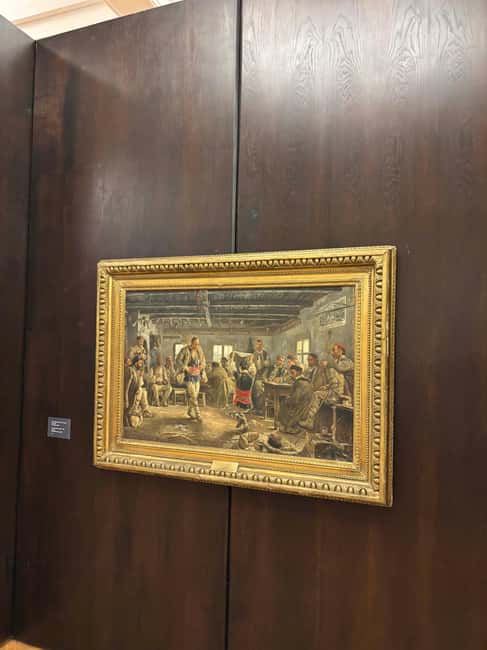
Here, the guide focuses on hand-picked treasures across multiple periods. You’re not expected to appreciate every object equally. Instead, you get the key works that help you understand how Bulgarian art connects to European art trends, and how the museum’s collection broadens beyond Europe.
A detail I appreciate: the guide doesn’t treat works as isolated “cool paintings.” The commentary turns them into narratives. You’ll hear context that helps you notice things you’d likely miss at first glance, like why a style developed, what an image communicates, and how artists reflect the world around them.
The Four Floors: A Clear Path From Bulgaria to the Wider World
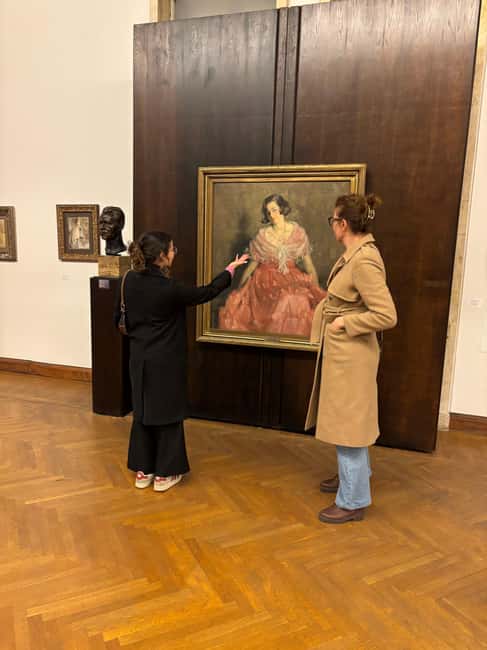
This tour is built around four levels of art. Here’s what that structure does for you, and what to look for as you move.
Other Sofia days worth a look
- From Sofia: Rila Monastery & Boyana Church Day Tour
★ 4.7 · 5,107 reviews - From Sofia: Must-See Rila Monastery & Boyana Church Day Tour
★ 4.6 · 3,322 reviews - From Sofia: Guided Day Tour of Plovdiv’s Must-See Sights
★ 4.6 · 1,688 reviews
Level One, Bulgarian Art From the 19th and 20th Centuries
You start with Bulgarian art from the 19th and 20th centuries, which is where the tour becomes personal in a good way. This section helps you see how Bulgarian artists responded to their own national and cultural shifts, not just international trends.
When you’re guided through this part, the paintings and sculptures tend to make more sense quickly because the guide supplies the “why now” behind the work. You’ll likely find it easier to spot themes and changes across time, instead of feeling like you’re memorizing dates.
European Art, From Renaissance to Impressionism
Next, you move through European art spanning from the Renaissance to Impressionism. This range is useful because it gives you a timeline of how European styles evolved.
You’ll probably notice how technique and intent shift as time moves forward. Renaissance art often emphasizes order, proportion, and realism. Later movements shift the focus, sometimes toward perception, light, and modern life. The guide helps connect those style differences to the historical moments that produced them.
The key value here is comparison. You can feel the evolution in your eyes, but the guide also connects it with meaning, so it does not become just “pretty art.”
Asia, Africa, and the Americas: Rare Works and Different Cultural Lenses
The tour also includes rarer works connected to Asia, Africa, and the Americas. This part matters because it interrupts the “Europe-only” museum habit that many first-timers fall into.
With this section, the guide’s storytelling helps you avoid the common trap of judging unfamiliar art by one narrow set of expectations. Instead, you learn to view objects and imagery as products of different histories and visual languages.
Even if some pieces are unfamiliar at first, the tour format gives you a framework to approach them respectfully and with curiosity.
How the Floors Work Together
The real win is how the four levels relate. Instead of treating each section as separate trivia, you walk away with a sense of how art travels, transforms, and reflects identity.
By the time you reach the later rooms, you’ll likely understand your own viewing process better. You stop asking, What do I think of this? and start asking, What is it trying to say, and what does its style reveal?
Small Group, Real Questions, and Faster Learning
A guided museum tour can either feel like a group shuffle or a real conversation. This one is built for the conversation side because it’s limited to up to 8 people.
In practice, that changes the energy. You’re not just following along. You can ask practical questions like:
- why a particular work looks the way it does
- what a symbol might mean
- how a period influenced an artist’s choices
You also get enough time to actually look at pieces, not just read an explanation while walking.
The two-hour length is important here. It’s long enough for understanding, but short enough that you’re not exhausted halfway through. Wear comfortable shoes, because you’ll do real walking through multiple levels.
What’s Included, What’s Not, and How to Plan Around It
Included:
- an expert local guide speaking English and Bulgarian
- a personalized two-hour highlights tour
- an entry ticket to the gallery
Not included:
- food and drinks
- transportation
That “not included” part is normal, but it affects how you plan your day. Since your meet time is 16:00, I recommend you eat earlier and keep water handy nearby if you’ll be out late. Also, since the tour duration is about 2 hours, it fits nicely into a longer evening plan in Sofia, like a dinner after the museum or a stroll around the cathedral area once you’ve seen why it matters.
Practical Rules Inside the Gallery (So You Don’t Get Stuck)
The gallery has clear rules:
- comfortable shoes are required, and they’re the difference between enjoying the tour and rushing at the end
- flash photography is not permitted
- large bags are not permitted inside
If you’re the type who carries everything “just in case,” travel light. Small daypacks usually work better than anything bulky.
These rules aren’t there to annoy you. They protect artworks and help keep the space respectful and calm, which actually makes it easier to focus on the guide’s explanations.
Price and Value: Is $33 Worth a Guided Highlights Tour?
At $33 per person for a 2-hour guided highlights tour, the value comes from three things you get together:
1) a local expert guide (English and Bulgarian)
2) entry ticket included
3) a small group experience capped at eight
If you’ve ever tried to “DIY” a museum like this, you know the cost isn’t only the ticket. It’s the time you waste figuring out what matters. Here, you pay to buy guidance, and the tour format is designed to help you see the big picture quickly.
It’s especially good value if you care about context. If you just want a quick walk-through of pretty objects, you might not need a guide. But if you want the stories behind Bulgarian, European, and world art, the price feels easier to justify.
Who This Tour Fits Best
This tour is a great match if you:
- want to see a large gallery without getting lost
- enjoy explanations that connect art to history and meaning
- prefer a small-group pace over a big-group crowd march
- have limited time and want highlights across four levels
It’s less ideal if:
- you use a wheelchair, since it’s not suitable for wheelchair users
- you dislike rules like no flash and limited bag size
Should You Book This National Gallery Kvadrat 500 Tour?
Yes, I’d book it if your goal is to leave the museum feeling like you actually understood what you saw. The combination of Alexander Nevsky Cathedral context, a focused highlights route across four levels, and a guide-led narrative makes this a “first proper visit” kind of tour.
Skip it only if you want a totally self-directed museum day, or if gallery restrictions like large bags and no flash will be a hassle for your routine. If you show up with comfortable shoes and an open mind, you’ll get a lot of meaning for your time in Sofia.
FAQ
Where does the tour start?
The group meets at 16:00 at the main entrance of St. Alexander Nevski Cathedral.
How long is the tour?
The guided tour lasts about 2 hours.
How many people are in the group?
The group is kept small, with a maximum of 8 participants.
What languages is the tour guide speaking?
The guide speaks English and Bulgarian.
Is the entry ticket to the gallery included?
Yes, entry to the gallery is included.
What is the price per person?
The price is $33 per person.
What should I bring?
You should bring comfortable shoes.
Is flash photography allowed?
No, flash photography is not permitted inside the gallery.
Is the tour accessible for wheelchair users?
No, it is not suitable for wheelchair users.
Added recently around Sofia
- Archaeological tour-From the Neolithic to Modern times in Augusta Trayana★ 5.0 · 1 review
- Sofia Full Day Tour★ 5.0 · 1 review
- PRIVATE adventure to Rila Lakes – GROUP price for 6★ 5.0 · 1 review
- 05.12.2026 Night of the Stars Show Ticket with Exclusive Access★ 5.0 · 1 review
- Melnik & Rozen Monastery Tour: Wine Tasting, History, Scenic Walk★ 5.0 · 1 review
- Small-group Weekend trip to Bulgaria’s most famous sites★ 5.0 · 1 review
- Exclusive Afternoon Wine & Appetizers with Local★ 5.0 · 1 review
Museums, compared.

Admission Ticket to the Museum of Illusions in Sofia
Read our review →
Rila Monastery and Optional Museum, Cave or Spa
Read our review →
Museum of Socialist Art and Buzludzha Monument Tour
Read our review →
Admission Ticket to Illusions in Museum in Veliko Turnovo
Read our review →
Buzludzha Monument and the Museum of Socialist Art
Read our review →
Old Town Guided Walking Tour & Audioguide & Museum
Read our review →
Browse the lists this tour appears in