Review · SOFIA TOURS
4 days: Monasteries in Bulgaria
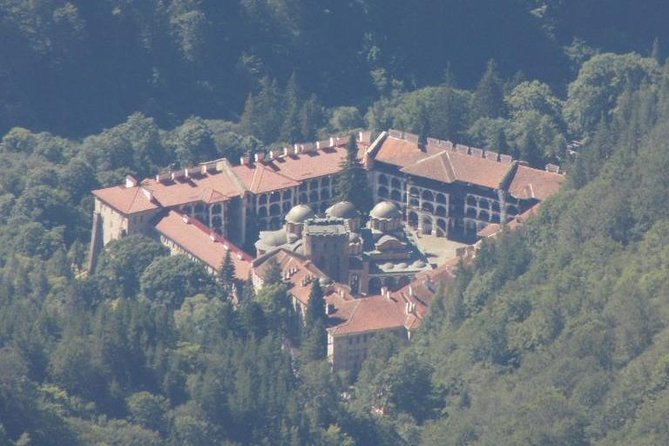
Monasteries in Bulgaria make Christianity feel physical. This 4-day circuit strings together major sites like Boyana Church and Rila Monastery, plus a stack of smaller stops that help the story make sense. I especially like that the day plan is built around guided time, not just rushed photo stops.
What I like most is the way the route layers ideas. You start with fresco history at Boyana, then move into the lived religious world of Rila and the surrounding monasteries, where you can actually picture how communities endured hard centuries. The second big plus is the comfort factor, with a comfortable car and boutique hotel overnights that keep you rested between monastery days.
One consideration: it is a lot of sites for four days, with long transfers in between. If you want slow, deep museum-style pacing at every stop, you might feel the schedule.
In This Review
- Key points you should know before you go
- Why Bulgaria’s monasteries feel like time machines
- Starting Sofia the right way: Boyana Church fresco layers
- Rila Monastery: the biggest stop, and why the guided hour matters
- Plovdiv on deck: old-town walk plus boutique hotel reset
- Bachkovo and Arapovo: second-largest monastery plus a quieter feel
- Shipka and Sokolski: smaller tickets, bigger atmosphere
- Veliko Tarnovo and Tsarevets: monastery visits meet medieval power
- Arbanasi and the Patriarch’s monastery: church time inside historic settings
- Kupinovski, Preobrazhenski, and the art of small pauses
- Troyan and Glodjene: miracle icon energy, then a calm finish
- Price, value, and what $838.11 covers in real terms
- How to prepare so the monasteries feel joyful, not exhausting
- Who this monastery tour suits best
- Should you book this 4-day monasteries of Bulgaria tour?
- FAQ
- What time does the tour start?
- Where does the tour take place?
- Are entrance fees included?
- Is accommodation included?
- Is food included?
- Do I get a ticket on my phone?
Key points you should know before you go
- Two UNESCO sites anchor the trip: Boyana Church and Rila Monastery
- Free time is built in, including a lunch break at Rila
- Boutique hotels in town centers keep you close to evening walks and meals you choose
- Bigger monasteries plus smaller ones helps you see different artistic styles and settings
- Guided tours are included at multiple stops, so you get context for what you’re looking at
- Mobile ticket plus included entrance fees makes day-of logistics easier
Other Sofia days worth a look
- From Sofia: Rila Monastery & Boyana Church Day Tour★ 4.7 · 5,107 reviews
- From Sofia: Must-See Rila Monastery & Boyana Church Day Tour★ 4.6 · 3,322 reviews
- From Sofia: Guided Day Tour of Plovdiv’s Must-See Sights★ 4.6 · 1,688 reviews
- From Sofia: 7 Rila Lakes and Rila Monastery Extended Trip★ 4.7 · 1,189 reviews
Why Bulgaria’s monasteries feel like time machines
Bulgaria has more than 120 monasteries, and this route gives you a smart cross-section. The point is not just pretty buildings. These places helped communities keep faith, education, and culture alive when life got rough, including the Middle Ages and the Ottoman period, plus threats like vandalism and natural disasters. That endurance shows up in the art, the architecture, and the way the monasteries still function.
One reason I think this kind of itinerary works is that it teaches you how to look. You start noticing layers, not just a single wall of frescoes. You also start seeing how Orthodox spirituality connects to art schools, icon painting traditions, and the daily rhythm of monks and nuns. If you care about the origin and survival of Christianity, this route is a practical way to connect ideas to real rooms and real paint.
Starting Sofia the right way: Boyana Church fresco layers
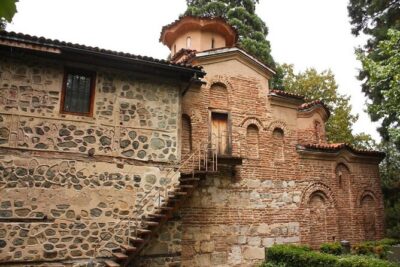
Most monastery trips jump straight to the famous big names. This one begins with Boyana Church, right as you arrive in Sofia. The transfer is about 30 minutes, and the church is known for multiple painting layers dating from the 11th, 13th, and 19th centuries.
That matters. Frescoes like these are not static. They show changes in style and devotional priorities across time. You leave Boyana with a useful mindset before you head to the larger monasteries: you’ll be watching for artistic transitions and thinking about why certain scenes and styles were preserved, repainted, or expanded.
Admission is included, and there’s a guided focus that helps you make sense of what you’re seeing in that limited time window.
Rila Monastery: the biggest stop, and why the guided hour matters
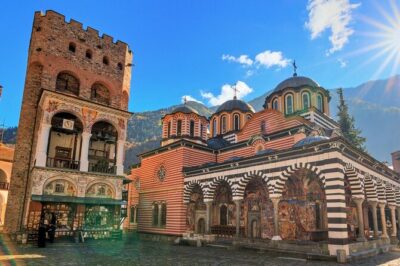
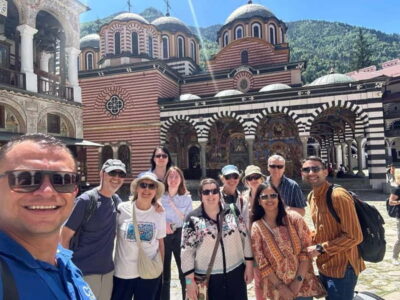
After Sofia, the day pivots to Rila Monastery, a two-hour transfer. The tour treats it as the centerpiece: it’s the biggest monastery in Bulgaria, and you get a guided tour of about one hour, plus free time for lunch.
This is a smart structure. A guided hour helps you locate the key spaces and understand what the monastery represents. Then the free time lets you reset, grab lunch you choose, and return to looking without the pressure of constantly moving with the group.
If your goal is to understand why monasteries mattered as schools for religion, science, and education in earlier centuries, this is where you can feel that idea. Even if you’re not a deep art history person, the scale and the setting do the work, and your guide’s framing turns the visit into more than sightseeing.
Plovdiv on deck: old-town walk plus boutique hotel reset
The itinerary then moves to Plovdiv, Bulgaria’s second-largest city. You get a two-and-a-half-hour transfer and an accommodation night in a boutique hotel in the center.
There’s also a guided tour in Plovdiv’s old part, with admission listed as free for that portion. Even though it’s not a monastery day, this stop is valuable. Plovdiv helps you see the broader cultural context. You’re not only visiting isolated sacred sites. You’re also experiencing the kind of city life that grew around faith, learning, trade, and changing rulers.
The center-of-town hotel is practical too. After a day of transfers and spiritual sites, it’s easier to reset with an evening walk, rather than spending that time finding transportation.
A different sort of day from the same city:
- Sofia: Communist Walking Tour
★ 4.9 · 1,106 reviews - From Sofia: The Seven Rila Lakes Full-Day Hiking Tour
★ 4.7 · 923 reviews - Rila Monastery and Boyana Church Full-Day Tour
★ 4.5 · 918 reviews
Bachkovo and Arapovo: second-largest monastery plus a quieter feel
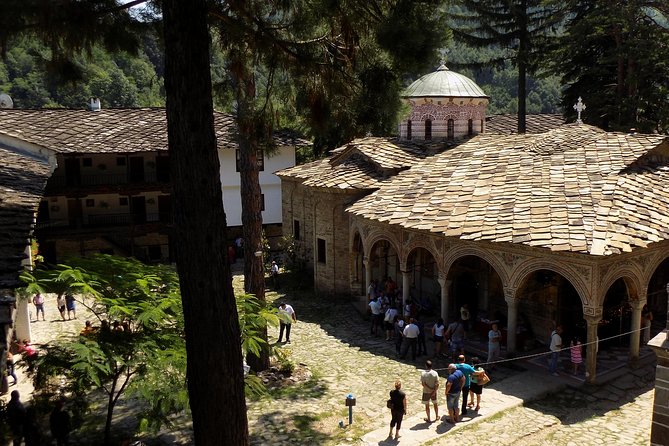
Day after Plovdiv, the route pushes into more monasteries. First up is Bachkovo Monastery, about 40 minutes from the hotel area. It’s described as the second-largest monastery in Bulgaria and a candidate for UNESCO heritage. You get a guided tour plus free time.
Even when you’re tired of traveling, Bachkovo can reward you because of its size and status. A UNESCO candidate label signals that it has preserved important cultural value. Here, the guided time helps you connect what you see to why it’s protected and studied.
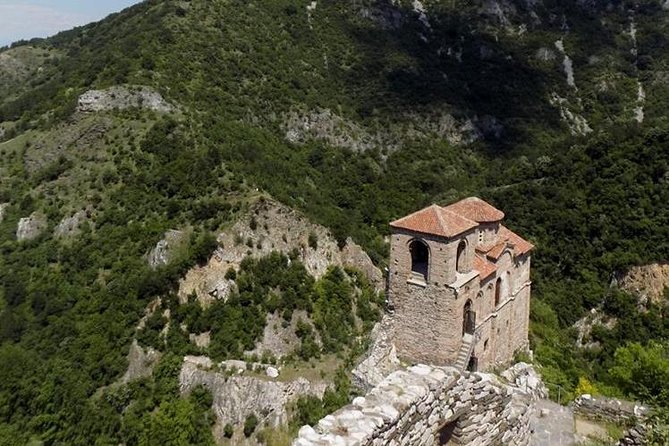
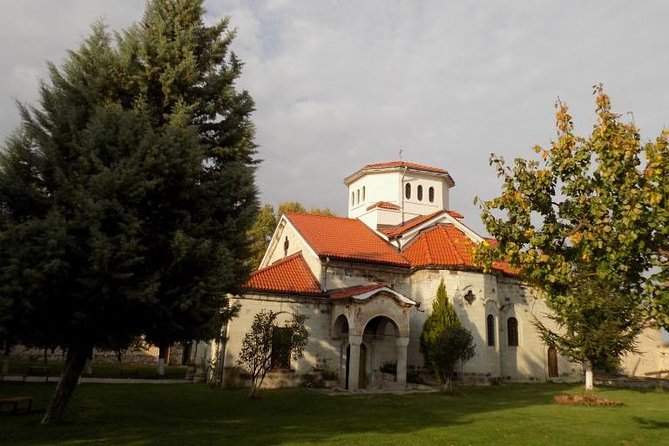
Then you head to Arapovo Monastery for a shorter transfer and about one hour on site, with admission included. This kind of stop is useful on a route like this. Bigger monasteries teach scale. Smaller ones often teach atmosphere. You can end up with a more personal sense of daily sacred space.
Shipka and Sokolski: smaller tickets, bigger atmosphere
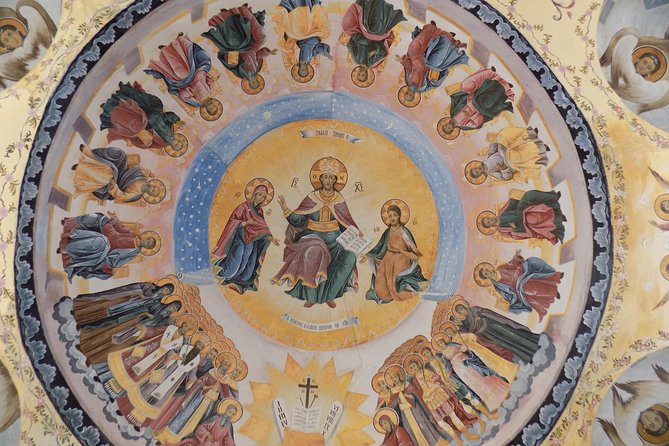
The next blocks keep the pace moving, but the itinerary balances them with guided visits and admission details.
Shipka includes a transfer time around two hours and about 30 minutes on site, with admission listed as free. Then you go to Sokolski Monastery, about one hour away, with a guided tour and admission included for around 50 minutes.
Even with shorter site times, these stops can be worth it if you stay intentional. Don’t try to memorize everything. Instead, use the guided parts to pick up themes: why icons and frescoes were painted, how monasteries survived disruptions, and how spirituality shaped education and community life.
If you’re the type who likes a set of anchor images, you’ll probably leave with a mental map of different styles, not just a pile of churches.
Veliko Tarnovo and Tsarevets: monastery visits meet medieval power
Then the route shifts gears to the political backdrop of the Bulgarian kingdom.
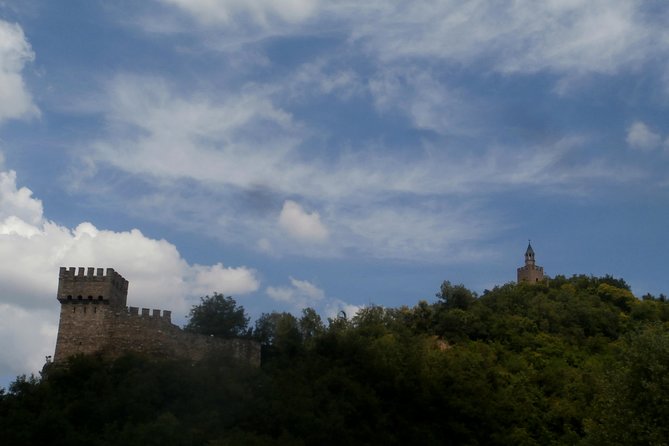
You stay the night in Veliko Tarnovo in a boutique hotel with a panoramic view of King’s Hill, where the fortress sits. That viewpoint detail is more than marketing. It helps you understand why this place mattered: the fortress and the city’s elevation give you a sense of control and defense.
You also get a guided visit to Tsarevets after breakfast. It includes the fortress visit for about two hours, with admission listed as included for that part.
This is one of the most useful combinations in the whole itinerary. Monasteries are spiritual and artistic. But their survival depends on the world around them, including politics and royal support. Tsarevets gives you that context fast, so the monastery stops land with more meaning.
Arbanasi and the Patriarch’s monastery: church time inside historic settings
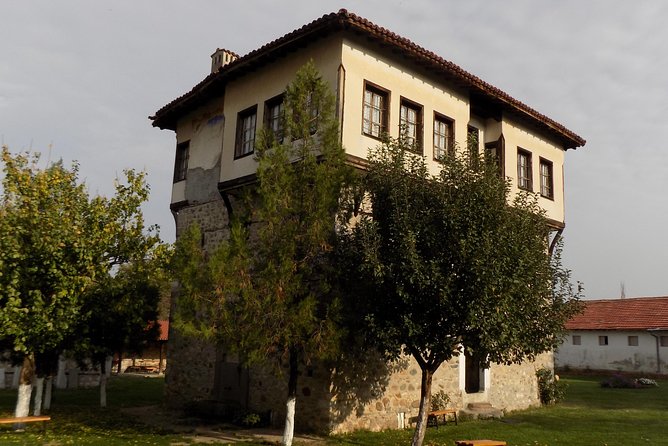
After your Tsarevets day, the itinerary includes Arbanasi, with transfers that break the day into focused chunks.
You first travel to the Patriarch’s monastery area for about 30 minutes, then continue to Arbanasi to see the church called The Nativity of Jesus, also about 30 minutes. This portion is listed as free for admissions.
Even without a long visit window, this stop can be satisfying if you approach it like a gallery. Look for how the art and sacred spaces fit the surrounding historic environment. You’re also learning that Bulgaria’s monastery story isn’t one monolith. It’s a network of religious centers with different roles and visibility across time.
Kupinovski, Preobrazhenski, and the art of small pauses
The itinerary then turns to more monasteries, still with guided time when listed.
At Kupinovski Monastery, the schedule gives you a 40-minute transfer and about 40 minutes on site, with admission included. Then comes Preobrazhenski Monastery, about one hour away, with around two hours on site and admission listed as free.
These are the stops that help you avoid burnout. When you only visit big-name sites, everything starts to blur. Smaller monasteries are where you can catch the details that make each place feel different, especially in how icons and frescos appear in the rooms you’re standing in.
If you’re traveling with someone who wants both meaning and visuals, these are good compromise stops. They don’t steal the whole day, but they still connect to the broader religious and cultural story.
Troyan and Glodjene: miracle icon energy, then a calm finish
Near the end, the route gives you one of the most narrative-rich stops: Troyan Monastery.
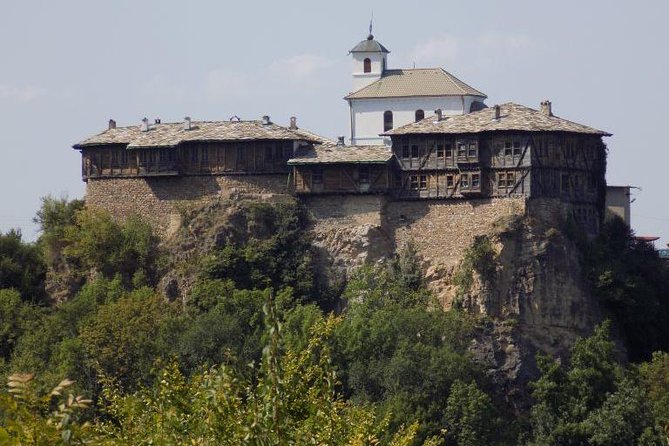
You check out and travel about one hour and 30 minutes to Troyan. The itinerary notes it as the biggest monastery in North Bulgaria and highlights its miracle icon, which saved a lot of pilgrims. Admission is included, and you get about four hours on the day of the visit.
That longer time window matters. A miracle-icon story is easier to absorb when you can linger. You can ask questions if your guide offers them, and you can stand back and let the atmosphere settle before you move on.
After Troyan, you go to Glodjene Monastery for about one hour and 30 minutes transfer and about two hours on site, with admission listed as free. Then you return to Sofia for the final transfer of about two hours, with admission listed as free.
By the time you reach Sofia again, the photos you took should start to organize themselves into themes: fresco layers, monastery survival, and the way art and devotion worked together to keep communities going.
Price, value, and what $838.11 covers in real terms
The price is listed as $838.11 per person for the whole four-day program. What makes it feel reasonable, especially if you’re comparing it to self-planning, is that it bundles the hard parts:
- Guide and driver throughout, which you feel most on transfer-heavy days
- Accommodation in boutique hotels for 3 nights, not just one
- Included entrance fees at multiple monastery stops
- A private tour format, meaning your group pace stays yours
- Comfortable car plus pickup offered, which reduces the time you would spend figuring out local transport
What’s not included is also clear: food and drinks and personal expenses. So you should budget for meals you choose on your own, and you’ll want to carry water and snacks on days with longer travel segments.
Also, note that the tour is described as operating in all weather conditions. That doesn’t mean it will be fun in heavy rain, but it does mean you should dress for it and plan to keep moving.
How to prepare so the monasteries feel joyful, not exhausting
This route is part spiritual visit, part art-and-architecture circuit. That means your preparation should support both.
- Wear comfortable shoes, since you’ll move between church spaces and museum-like areas.
- Dress appropriately for monastery settings, including layers if the weather turns.
- Build in your own lunch strategy, since only some meals are implied by free time and food is not included.
- Keep expectations flexible. Some stops are short by design, and your best move is to focus on what you’re guided to notice.
If you like structured context, this itinerary is made for you. If you prefer long unbroken free time, you might want fewer stops, but you’ll still find guided hours that help you slow down inside the schedule.
Who this monastery tour suits best
This is a great match if you want:
- A focused introduction to major Orthodox monastery sites in Bulgaria
- A route that connects Christianity’s historical development to surviving communities and surviving art
- Guided explanation, especially for frescoes and icon traditions
- Boutique hotel comfort in central areas so your evenings are not wasted on logistics
It’s less ideal if your travel style is ultra-slow or if you have low patience for transfers. This program packs a lot into four days, so you’ll enjoy it most if you’re excited to move from site to site and learn as you go.
Should you book this 4-day monasteries of Bulgaria tour?
If your goal is to see the big names like Boyana and Rila, plus understand how the rest of Bulgaria’s monasteries create a wider story, I think this tour is a strong buy. The combination of UNESCO anchors, guided visits, and boutique hotel nights makes it easier than piecing together the same route yourself.
Book it if you want meaning with structure. Pass on it if you want lots of downtime or you plan to treat each stop like a separate multi-day deep study. For most people who want the best monasteries without the planning headache, this is an efficient and spiritually satisfying itinerary.
FAQ
What time does the tour start?
The tour start time is listed as 10:00 am.
Where does the tour take place?
The tour is based in Sofia, Bulgaria, with multiple monastery visits and overnights in Plovdiv and Veliko Tarnovo before ending back in Sofia.
Are entrance fees included?
Yes. Entrance fees for the museums are included as part of the tour.
Is accommodation included?
Yes. Accommodation in boutique hotels is included for 3 nights.
Is food included?
No. Food and drinks are not included, though the itinerary includes free time for lunch at Rila.
Do I get a ticket on my phone?
Yes. The tour includes a mobile ticket.
Added recently around Sofia
- Archaeological tour-From the Neolithic to Modern times in Augusta Trayana★ 5.0 · 1 review
- Sofia Full Day Tour★ 5.0 · 1 review
- PRIVATE adventure to Rila Lakes – GROUP price for 6★ 5.0 · 1 review
- 05.12.2026 Night of the Stars Show Ticket with Exclusive Access★ 5.0 · 1 review
- Melnik & Rozen Monastery Tour: Wine Tasting, History, Scenic Walk★ 5.0 · 1 review
- Small-group Weekend trip to Bulgaria’s most famous sites★ 5.0 · 1 review
- From Sofia: Bankya Royal Baths, Monastery and Trails Tour★ 5.0 · 1 review
Sofia Tours, compared.
Must-See Rila Monastery & Boyana Church Day Tour
Read our review →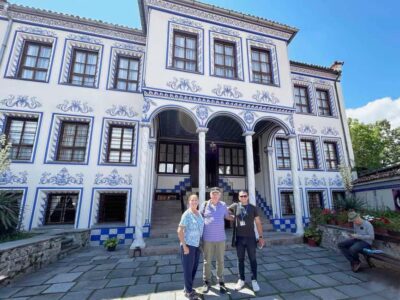
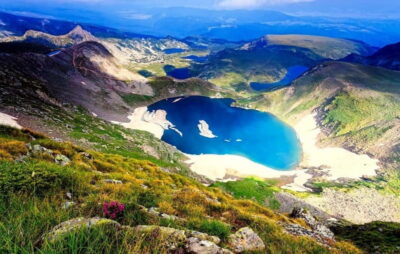
7 Rila Lakes and Rila Monastery Extended Trip
Read our review →