
Review · BUZLUDZHA & SOCIALIST LANDMARKS
Sofia: Communist Walking Tour
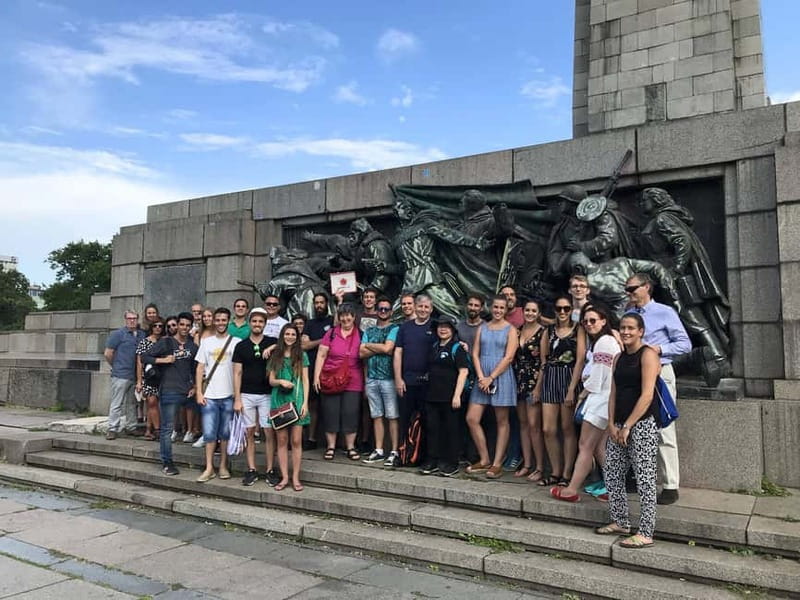
Communist Sofia is still standing. In this 3-hour walking tour, you piece together Bulgaria’s Cold War story street by street, and you leave with a clearer sense of how the era shaped everyday life. You’ll hear how ideology grew out of World War II chaos, and why it later collapsed. I love the landmark mix and the way the tour explains the human side of history, not just slogans.
What I like most, though, is the guide-led storytelling. Many guides, including Daniel, Vasil, Stefan, and Martin, are repeatedly praised for making the subject feel clear and balanced, with room for questions and a real sense of humor. The main drawback: this is a moderate-walking tour and it is not recommended for limited mobility, since it is not wheelchair accessible and involves uneven streets and stops on foot.
In This Review
- Key things you will notice on this Sofia walk
- Sofia’s Communist Walking Tour: what this 3-hour route really gives you
- Starting at the Palace of Justice: reading power in the city center
- Hotel Rila Sofia and the Stalinist look of 1950s power
- The communist party, secret police power, and the cost of control
- St. Nicholas the Wonderworker: religion when the state wanted a monopoly
- National Assembly of Bulgaria: politics as a physical space
- The route through everyday life: ulitsa Malko Tarnovo and the feel of neighborhoods
- State Agency Archives: when records become power
- City Garden and Knyazheska Garden: planned leisure and public space
- Monument of the Soviet Army: a symbol that still sparks debate
- Memorial to the Victims of the communist regime in Bulgaria: memory with a purpose
- National Palace of Culture and a Berlin Wall fragment: Cold War history made visible
- Price, pacing, and who this walking tour suits
- Should you book the Sofia Communist Walking Tour?
- FAQ
- How long is the Sofia Communist Walking Tour?
- What does the tour cost?
- Where do I meet the guide?
- Is the tour in English?
- What kind of stops and landmarks will I see?
- Is food included?
- Is it wheelchair accessible or suitable for people with mobility impairments?
Key things you will notice on this Sofia walk
- Palace of Justice meeting area: you start in the big civic heart of Sofia, with the route designed to read like political history
- Soviet-era architecture: you see examples of classic communist-era design, including the Rila Hotel and 1950s Stalinist ensembles
- Religion under communism: St. Nicholas the Wonderworker (13th century) helps you understand how faith lived alongside state power
- Power behind the scenes: you visit the areas tied to communist party control and secret police-era investigations
- Contested memory in plain sight: the Monument of the Soviet Army and the memorial to victims of the regime force real questions, not easy answers
- Cold War as geography: the tour ends near a Berlin Wall fragment, so the ideology lands visually, not just verbally
Further Walking Tours in Sofia
- Sofia: City Monuments Guided Walking Tour with Audio Guide★ 4.5 · 825 reviews
- Communist Walking Tour of Sofia★ 5.0 · 690 reviews
- Sofia Highlights 2 Hour Sightseeing Walking Tour★ 5.0 · 442 reviews
- Guided Walking Tour of Sofia★ 5.0 · 143 reviews
Sofia’s Communist Walking Tour: what this 3-hour route really gives you
If you only glance at Sofia, communism can feel like a blur of gray buildings and official monuments. This tour changes that. You walk through the city as if you’re reading a timeline, and you notice how politics shaped where people lived, worked, worshipped, and spent their free time.
I like that the tour doesn’t treat communism like a single story with one moral. It covers the rise and fall in Bulgaria, then brings it forward into the present. That matters because the physical reminders are still here, and they still affect how Bulgarians talk about the past.
The price, $21 per person for about three hours, feels fair for a city-center, guide-led history walk. You are paying mainly for interpretation: the guide turns buildings and street names into cause-and-effect history, plus everyday-life context.
Starting at the Palace of Justice: reading power in the city center
The meeting point is outside the Palace of Justice on bul. Vitosha 2, the big white building with lion statues in front. It’s a fitting start, because the tour kicks off in the area where modern civic life and government functions sit in plain view.
From the first minutes, you’ll get a framework for how to look at everything else. The guide sets up the timeline from World War II into the communist period (1944 to 1989), and you start noticing patterns: institutions take control, ideology becomes daily routine, and then memory becomes a public debate.
A small practical point: because this is a walking tour, your best move is to dress for the weather and keep your pace steady. People often underestimate how fast three hours can pass when you stop often to talk and look closely.
Hotel Rila Sofia and the Stalinist look of 1950s power
One of the early “you can’t unsee it” stops is Hotel Rila Sofia, tied to Sofia’s communist-era architectural ensemble from the 1950s. Even if you don’t care about architecture, this is where the tour shows you how governments used design to project certainty.
Stalinist-style planning aimed to signal order and authority. On the street, that translates into bold massing, grand civic scale, and a city layout that makes official buildings feel unavoidable. The tour uses that visual language to explain the ideology behind it, including how the state promoted industry and social organization during the communist period.
I also like that you’re not just looking at façades. You get the “why” behind them: how power wanted itself to look, how the state wanted modern life to feel, and how the same spaces are read differently after the fall.
The communist party, secret police power, and the cost of control
The tour includes stops tied to the former Bulgarian Communist Party headquarters and a secret police investigation facility. It also marks the site where a mausoleum linked to Bulgaria’s first communist leader was destroyed.
These are heavy topics, and the value of a guided approach shows up here. Without interpretation, you might just see sites with a confusing, leftover feel. With the guide’s explanation, you understand the logic of control: a political system doesn’t just govern laws. It shapes surveillance, records, and social life.
What makes this part work for most people is the balance in tone. The guides are repeatedly praised for being objective and for presenting both sides. That doesn’t make the history soft. It makes it clearer, and it helps you avoid the easy trap of either demonizing everything or romanticizing the past.
If you care about how political systems behave, not just who won or lost, you’ll appreciate this section a lot.
More concrete-and-communism day trips:
- Sofia: Museum of Socialist Art and Buzludzha Monument Tour
★ 4.9 · 86 reviews - From Sofia: The Rose Valley & Buzludzha Monument Day Tour
★ 4.8 · 77 reviews - Sofia Communist History 2-Hour Tour in a Classic Trabant
★ 5.0 · 45 reviews
St. Nicholas the Wonderworker: religion when the state wanted a monopoly
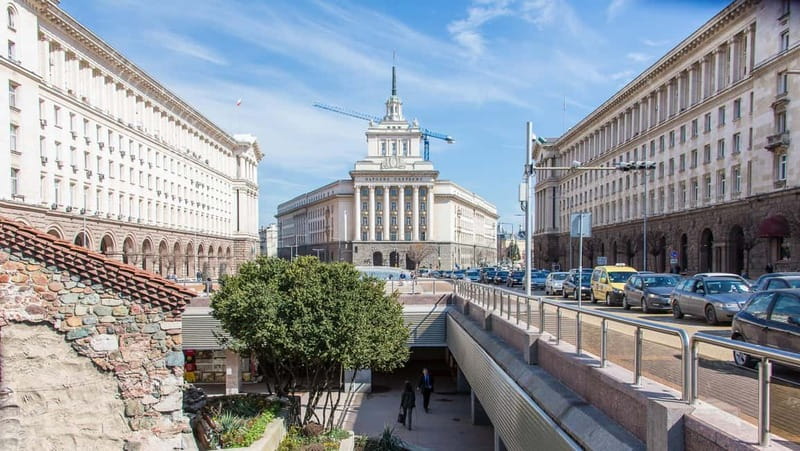
You’ll also visit the medieval Orthodox temple of St. Nicholas the Wonderworker, a 13th-century church. This stop is crucial because communism in Bulgaria had a complicated relationship with religion.
In many communist systems, faith was treated as competing loyalty. The state pushed ideology as the framework for society, which meant religious life had to adjust, survive, or negotiate. Seeing an old church in the middle of a communist-era city plan makes the contrast feel real.
Even if you’re not religious, you’ll likely find this stop human. It helps you picture what people wanted and how they practiced it when the state tried to steer culture.
National Assembly of Bulgaria: politics as a physical space
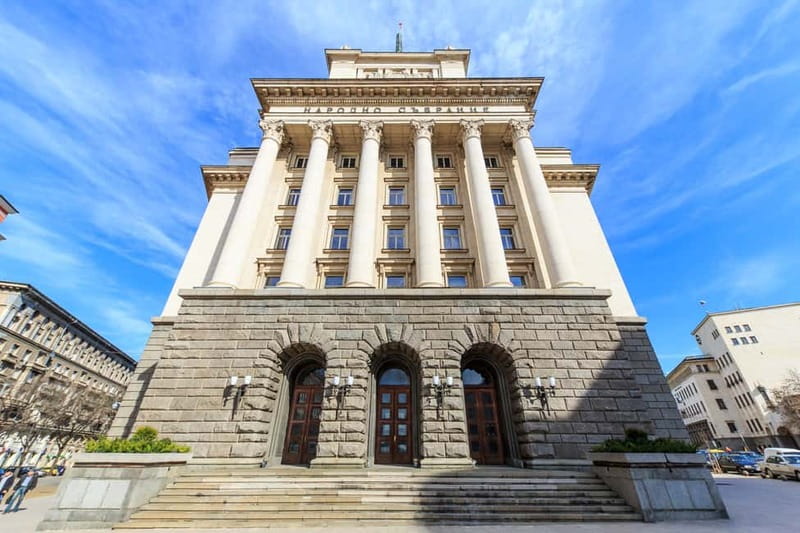
Next comes the National Assembly of Bulgaria. This stop isn’t about political party gossip or modern process. It’s about why government buildings matter.
The tour treats the assembly as a symbol of how authority moved through the city and into official structures. You learn how political power under communism was organized, and how the state’s priorities showed up in places that looked permanent and official.
This is one of those moments where you’ll probably look around and notice how civic space is designed to command attention. If you’ve ever wondered why governments love big buildings and big plazas, this is where the tour explains it in Bulgaria-specific terms.
The route through everyday life: ulitsa Malko Tarnovo and the feel of neighborhoods
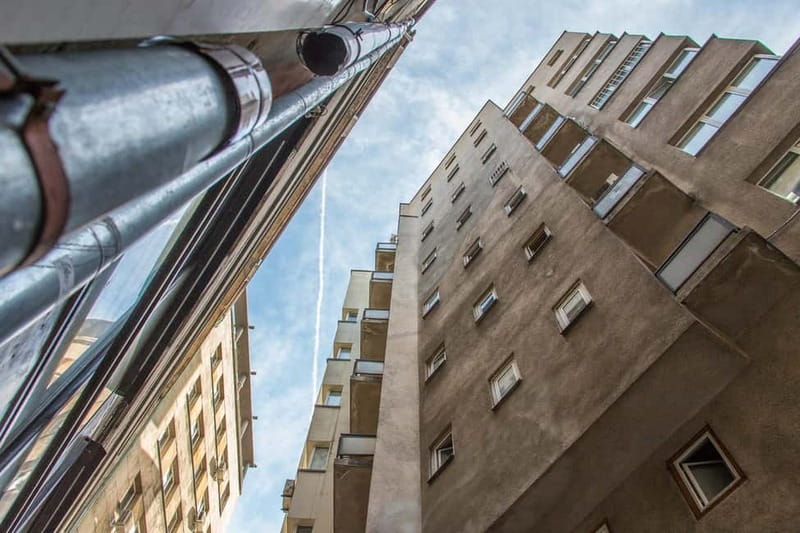
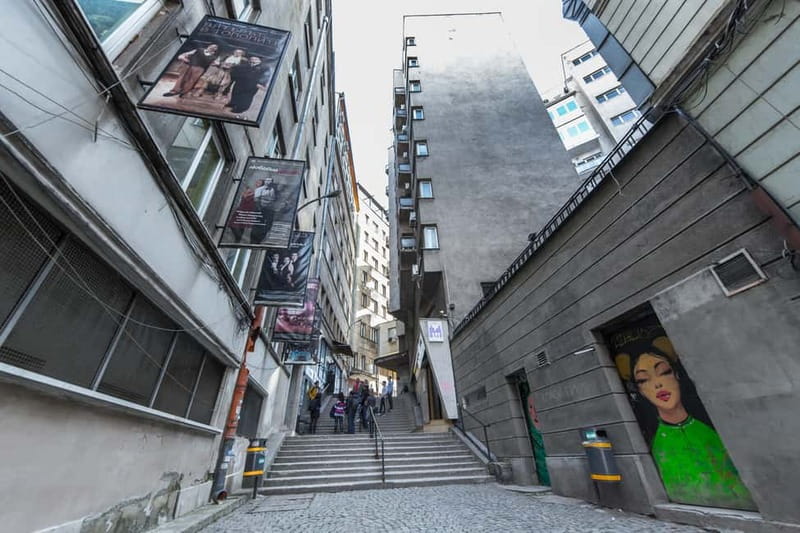
The itinerary includes ulitsa Malko Tarnovo, and that neighborhood-level segment is not filler. Streets like this help you understand how history lives in ordinary places.
During the communist period, housing policy and culture were part of the overall system, not separate topics. On a guided walk, the guide can point out how planning shaped daily routines: where people gathered, how apartments and public spaces supported a particular model of social life, and how that legacy shows up today.
If you like history that feels grounded in daily habits, this is the kind of stop you’ll remember. It’s less about a single monument and more about the city’s texture.
State Agency Archives: when records become power
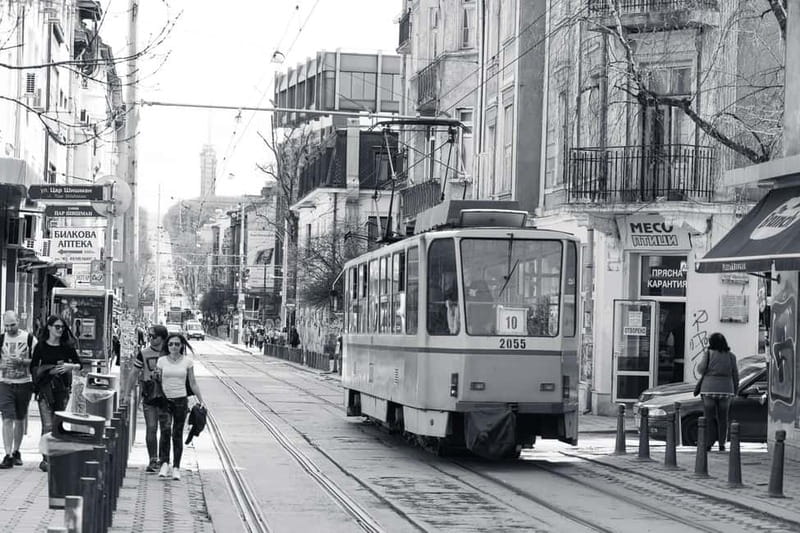
You’ll also stop at the State Agency Archives. Archives might sound boring at first, but in this context they are essential.
In communist systems, documentation is power. Records can support administration, but they can also reinforce control and limit freedom. This is where the tour ties big ideas to practical reality: people’s lives were shaped through paperwork, files, and the ability of institutions to track and manage citizens.
Even if you don’t go inside anything, you’ll still understand the theme. The guide uses the archives connection to talk about economy, housing, and culture as parts of one managed system.
This section tends to land best if you ask questions. The guides often leave time for that, and you’ll get better answers if you share what you want to learn.
City Garden and Knyazheska Garden: planned leisure and public space
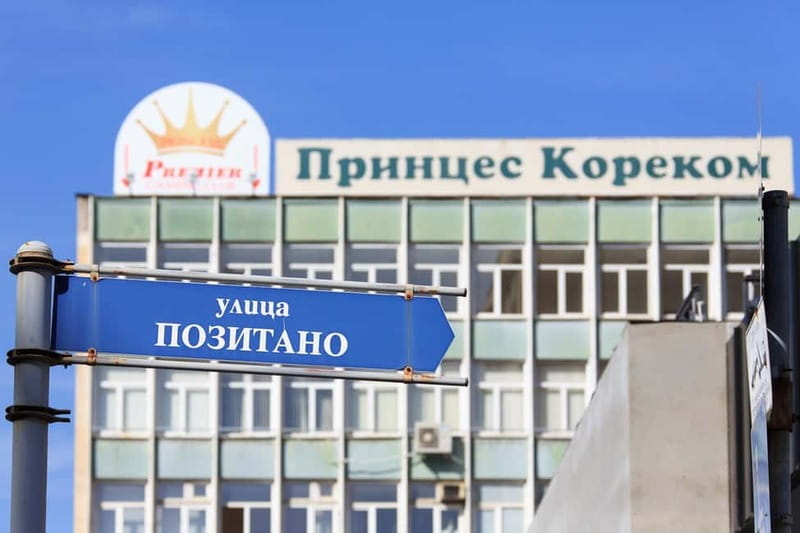
The tour moves through City Garden and Knyazheska Garden. Parks can feel like a break, but on this route they are also a lesson.
Communist-era governments promoted public social life, and outdoor space was part of that. Gardens and plazas were places for routine leisure, community events, and a visible sense of collective identity.
Today, these parks also help you see what changed. When you compare the city’s designed public life then and now, you can spot what survived and what shifted.
If you’re visiting in warmer months, these breaks in walking also give you a chance to regroup. One review note worth taking seriously: guides often manage heat and shade well, but you still want water and a steady pace.
Monument of the Soviet Army: a symbol that still sparks debate
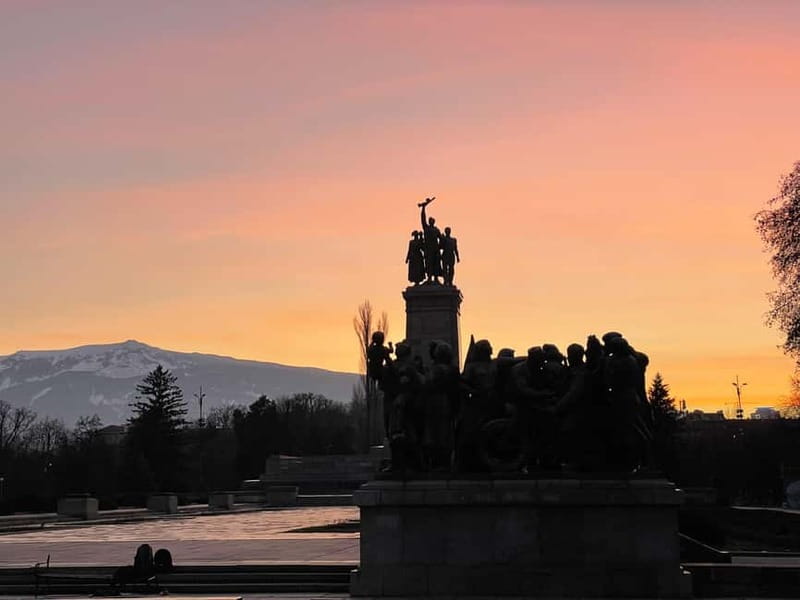
Second half of the tour includes the Monument of the Soviet Army, one of the most controversial reminders of Bulgaria’s communist alignment.
This isn’t a stop where the guide tries to hand you a single interpretation. You learn why the monument exists, why it was relevant, and why it remains sensitive. You also get context on how Bulgaria navigated Soviet influence, especially as the Cold War ended and public memory shifted.
If you’re uncomfortable with political emotion, this stop might feel intense. But it’s also one of the most meaningful parts of the tour, because the city is still arguing with its own past. Walking near it helps you understand why.
Memorial to the Victims of the communist regime in Bulgaria: memory with a purpose
Next is the Memorial to the Victims of the communist regime in Bulgaria. This changes the emotional tone of the walk, shifting from political symbolism to human loss.
The point here is not to make communism sound one-note. The memorial is about consequences, and the guide’s explanation ties it back to how systems affect individuals and families.
I find this stop especially valuable for people who want balance. The tour doesn’t just show official power. It also shows how people later demanded recognition for what happened under the regime.
National Palace of Culture and a Berlin Wall fragment: Cold War history made visible
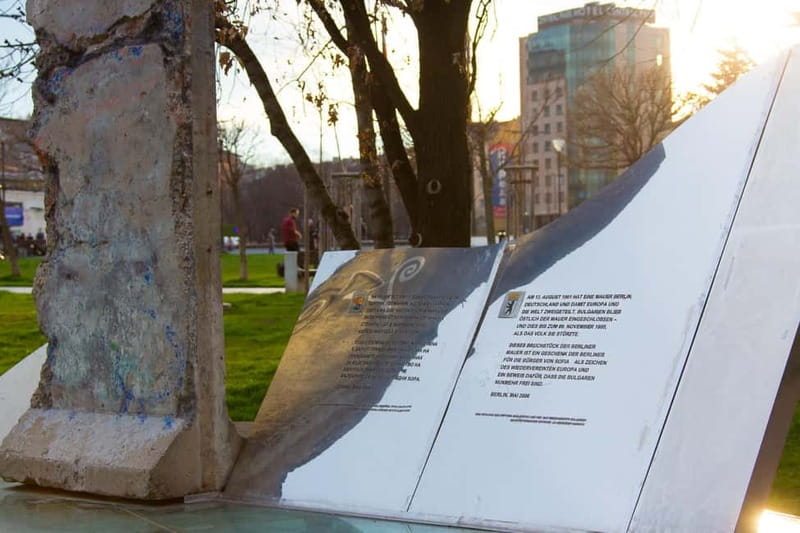
The tour ends at the National Palace of Culture area, finishing near a part of the Berlin Wall. This is a strong ending choice because it turns the Cold War into something visual.
The National Palace of Culture links to communist-era ambitions for mass culture and civic gathering. You get context for how culture was organized, promoted, and used as a social tool. Then the Berlin Wall fragment gives you a concrete symbol of division and control, bringing Bulgaria’s story into the wider European Cold War picture.
This ending also helps your brain connect the route. You’ve seen architecture, institutions, religion, housing, and memory. Now you see the physical symbol of a system that tried to lock people into borders, ideology, and uncertainty.
Price, pacing, and who this walking tour suits
At $21 for about three hours, you are not paying for transport or museums. You are paying for a local guide and a route that hits key communist-era landmarks in the city center.
This is a good deal if you want:
- a guided storyline you can follow without getting lost in dates
- a mix of buildings and themes, from religion to industry and economy
- a tour where the guide can answer questions and keep things from turning into a lecture
It is not the best fit if:
- you have limited mobility, because it is not wheelchair accessible and you need a moderate fitness level
- you’re hoping for long indoor stops, since this is a walking format
If you visit Sofia for a short time, this is a smart “orientation with depth” option. You get enough stops to understand the era, and enough explanation to make sense of what you’ll see after the tour, even if you wander on your own.
Should you book the Sofia Communist Walking Tour?
Yes, if you want history that you can see and compare while walking. The tour’s strength is the way it connects communist ideology to everyday life, using real Sofia landmarks like the Rila Hotel and 1950s Stalinist architecture, the church of St. Nicholas, government spaces, archives-themed power, and memorials that show what Bulgarians remember today.
Skip it if mobility is an issue, or if you dislike tours that include emotionally charged sites like the Monument of the Soviet Army and the victims’ memorial. For everyone else, it’s one of the most direct ways to understand why Sofia looks the way it does, and why the communist period still matters in the city’s conversation.
FAQ
How long is the Sofia Communist Walking Tour?
The tour lasts 3 hours.
What does the tour cost?
The price is $21 per person.
Where do I meet the guide?
You meet outside the Palace of Justice, bul. Vitosha 2, in Sofia Center.
Is the tour in English?
Yes, it is a live tour guide in English.
What kind of stops and landmarks will I see?
You’ll see Sofia’s communist-era landmarks and themes, including locations tied to the former Communist Party and secret police investigation, a destroyed mausoleum site, classic communist architecture such as the Rila Hotel and 1950s ensembles, plus the Monument of the Soviet Army, the memorial to victims of the communist regime, the National Palace of Culture, and a Berlin Wall fragment.
Is food included?
No. Food and drinks are not included.
Is it wheelchair accessible or suitable for people with mobility impairments?
No. The tour is not wheelchair accessible and is not recommended for people with limited mobility.
Added recently around Sofia
- Archaeological tour-From the Neolithic to Modern times in Augusta Trayana★ 5.0 · 1 review
- Sofia Full Day Tour★ 5.0 · 1 review
- 05.12.2026 Night of the Stars Show Ticket with Exclusive Access★ 5.0 · 1 review
- PRIVATE adventure to Rila Lakes – GROUP price for 6★ 5.0 · 1 review
- Melnik & Rozen Monastery Tour: Wine Tasting, History, Scenic Walk★ 5.0 · 1 review
- Small-group Weekend trip to Bulgaria’s most famous sites★ 5.0 · 1 review
- Exclusive Afternoon Wine & Appetizers with Local★ 5.0 · 1 review
Buzludzha & Socialist Landmarks, compared.
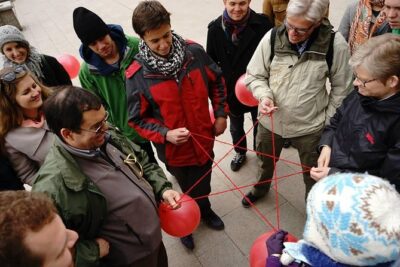
Museum of Socialist Art and Buzludzha Monument Tour
Read our review →
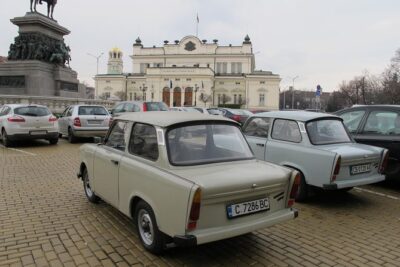
Sofia Communist History 2-Hour Tour in a Classic Trabant
Read our review →
Sofia Food & Tasting Tour with Communist-Era Tram Ride
Read our review →Buzludzha Monument and the Museum of Socialist Art
Read our review →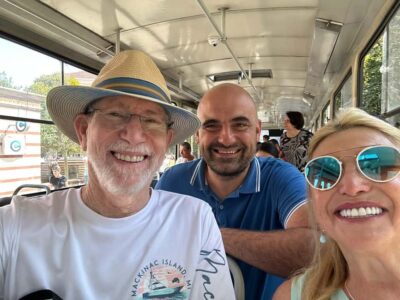
5-Stop Food & Culture Tour by Communist-Era Tram
Read our review →Browse the lists this tour appears in