
Review · FOOD & DRINK
Bulgarian Food tasting, cullinary-historical tour, Cooking class
Sofia food has a special way of sticking with you. This Bulgarian cooking + culinary history experience turns a few bites into real skills, from grocery shopping to a table full of food. What I like most is the way you learn by doing, and the fact that Mariela builds your 3-dish menu around your cooking comfort and what you actually want to eat.
You also get a small tour feel, not just a kitchen session. You start near Saint Nikolas Russian Church, then head out to the Woman’s Market area for ingredient context before cooking. The one drawback to keep in mind is practical, the kitchen is on the second floor with no elevator, so plan for stairs.
In This Review
- Key Highlights You Should Know
- Sofia Starts With Church-Stop Orientation and a Real-World Schedule
- Woman’s Market Grocery Run: The Fastest Way to Understand Bulgarian Ingredients
- Saint Nikolas Russian Church: A Quick Culture Reset Before You Cook
- In Mariela’s Kitchen: Skills First, Not Just Recipes
- A small heads-up on the kitchen setup
- The Dishes You Might Make, and What to Expect From Each
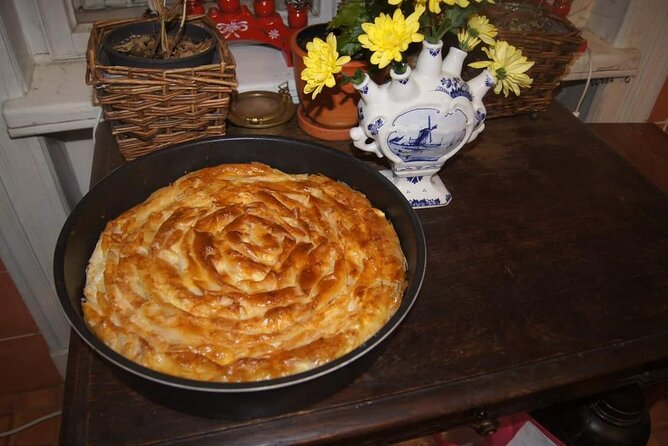
- Burek, the pastry you’ll want to repeat
- Dolmas, cabbage-wrapped comfort
- Gyuvetche, a hotpot-style main
- Tikvenik, pumpkin in pastry form
- Meshana skara, grilled meat energy
- Kavarma, meat baked in a pot with omelette cover
- Mekitzi, the breakfast or dessert cousin of langos
- The Market-to-Kitchen Link: Why This Class Feels More Authentic
- Tasting Time: Lunch or Dinner, and the Part People Don’t Expect
- Price and Value: Why $138.18 Can Be Fair for Sofia
- Who This Bulgarian Food Tasting and Cooking Class Fits Best
- How the Timeline Really Feels on the Ground
- Should You Book This Cooking Class in Sofia?
- FAQ
- What time does the experience start in Sofia?
- Where do we meet for the tour?
- How long is the cooking class?
- What dishes will I cook?
- Will there be a market stop?
- What meals are included?
- Are drinks included?
- Is the tour private?
- Is the kitchen accessible by elevator?
- Is the activity offered in English?
Key Highlights You Should Know
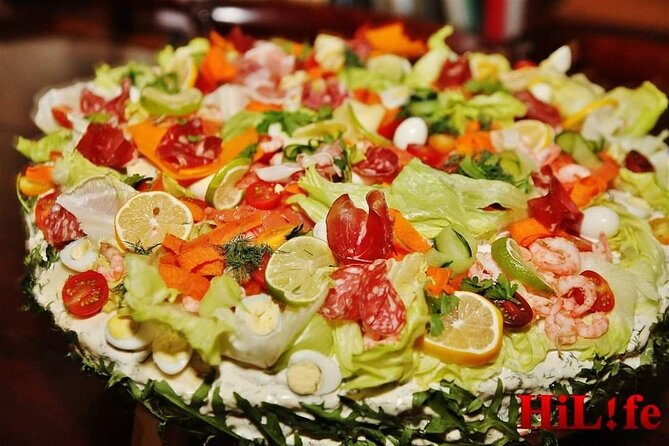
- Market walk first, so you cook with context, not just recipes
- A menu built for your skill level and preferences, not a one-size class
- You learn real techniques while making Bulgarian staples like burek and dolmas
- A full tasting meal is included, so you get to eat what you made
- Private group format means more direct attention from Mariela
- Cat in the kitchen, so if you have allergies, tell them ahead of time
Further Food Tours in Sofia
- Sofia: Wine & Cheese Tasting Experience★ 4.9 · 674 reviews
- Wine Tasting in Heart of Sofia★ 5.0 · 545 reviews
- Sofia: Guided Tasting of Local Wines and Cheeses★ 4.6 · 181 reviews
- Sofia Afternoon Walking Tour with Wine and Food Tasting★ 4.5 · 43 reviews
Sofia Starts With Church-Stop Orientation and a Real-World Schedule
The day begins in central Sofia, right by the Church of St. Nicholas the Wonderworker on Tsar Osvoboditel 3. It’s a good anchor point because you’re not guessing where to meet, and it keeps the day feeling organized instead of scattered. If you prefer, you can also meet at the metro station Luvov Most for pickup.
This is not a short “demo then eat” kind of activity. It’s an about-6-hour experience that flows from walking and learning into hands-on cooking, then ends with tasting, lunch or dinner depending on the timing of your class. That pacing is a big part of the value: you taste and cook, but you also understand what you’re tasting.
Woman’s Market Grocery Run: The Fastest Way to Understand Bulgarian Ingredients
If the weather is good and it’s a working day, you’ll do grocery shopping together at the Zhenski Pazar, also known as Woman’s Market. This is one of those steps that sounds simple, but it changes how you cook afterward. When you see products in the place they’re actually bought, you stop thinking of food as just a dish name and start thinking of it as ingredients, texture, and seasonal choices.
In the market, Mariela explains Bulgarian products and traditions. That matters because Balkan cooking is heavily shaped by everyday availability. You’ll be paying attention to what’s common, what’s in season, and what flavors show up again and again.
A practical note: this part can make the day run longer than a pure cooking class. In one example, the full experience stretched from a later start time into the evening, mostly because the class included both market time and the full table meal at the end. So if you hate waiting around, build in buffer time and don’t stack tight plans right after.
Saint Nikolas Russian Church: A Quick Culture Reset Before You Cook
The itinerary includes a stop at Saint Nikolas Russian Church. Think of this as a gentle pause that helps you get your bearings in Sofia before you jump into food work.
Why it’s worth it: Bulgaria’s culinary traditions don’t exist in a vacuum. Sofia has layered influences, and you feel that through the city’s architecture and community history. Even if you only get a short look, it keeps the day from becoming purely transactional, like you’re just buying ingredients and leaving.
The church stop also helps break up the timeline. You’re not rushing straight from meeting point to chopping boards, so your brain is ready when you start learning techniques.
In Mariela’s Kitchen: Skills First, Not Just Recipes
Once you’re in the kitchen, the focus turns to technique and comfort. You’ll learn to cook three typical Bulgarian dishes, and the exact menu depends on your cooking skills and personal preferences. That’s a big deal if you’re not an experienced cook, or if you already have a few dishes you want to avoid.
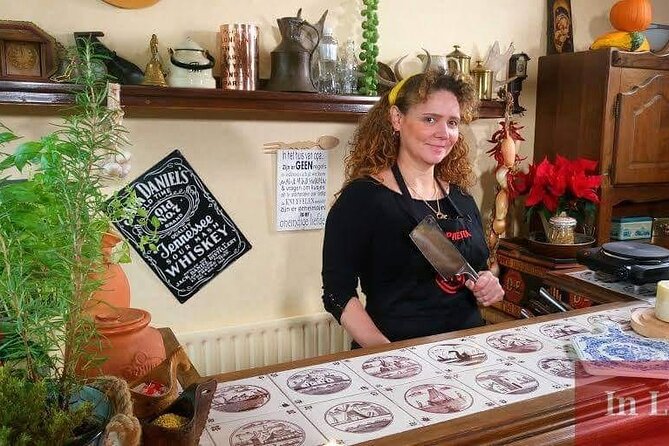
Mariela adjusts the menu and teaches in a patient way. One of the best review-based takeaways is that she’s generous with time and also shares real-life food experience, not just facts. People mention she’s the kind of mentor who will guide you through things like knife work and consistency checks, including basics like slicing onions with better control.
You also get more than just a class. You get a conversation. That matters because Bulgarian cooking is very “do it right” and often depends on feel, not just measurements. If you’re someone who likes to understand why something works, you’ll appreciate the explanations that come with the hands-on work.
A different sort of day from the same city:
- From Sofia: Rila Monastery & Boyana Church Day Tour
★ 4.7 · 5,107 reviews - From Sofia: Must-See Rila Monastery & Boyana Church Day Tour
★ 4.6 · 3,322 reviews - From Sofia: Guided Day Tour of Plovdiv’s Must-See Sights
★ 4.6 · 1,688 reviews
A small heads-up on the kitchen setup
The kitchen is on the second floor and there’s no elevator. So if stairs are an issue for you, plan around it. Also, there’s a cat in the kitchen. If you have allergies or you just prefer not to be around animals while you cook, tell them in advance.
The Dishes You Might Make, and What to Expect From Each
The menu is flexible, but the tour is built around classic Bulgarian comfort food. Here are the dish options that show up, and what they typically feel like when you cook them.
Burek, the pastry you’ll want to repeat
Burek here means a cheese pastry style. Expect flaky layers, a savory filling, and the satisfaction of shaping pastry so it holds together. Even if pastry is intimidating, learning it in a guided class is usually far less stressful than trying to figure it out from a recipe alone.
Dolmas, cabbage-wrapped comfort
Dolmas are cabbage with meat. This dish teaches patience and careful rolling. The payoff is big because dolmas are all about even size and steady heat, so you learn how small choices affect the final bite.
Gyuvetche, a hotpot-style main
Gyuvetche is a hotpot with meat or vegetables. Hotpot dishes are great teaching tools because they reward layering and timing. You get to see how flavors build when everything cooks together.
Tikvenik, pumpkin in pastry form
Tikvenik is pastry with pumpkin. It’s a dessert option, and it’s also a reminder that Balkan sweets often rely on simple ingredients done well. Expect cozy spice and that slightly crumbly pastry texture.
Meshana skara, grilled meat energy
Meshana skara is grilled meat. If you like hearty, smoky flavors, this one tends to hit the spot. It’s also a good contrast to the heavier baked and rolled dishes.
Kavarma, meat baked in a pot with omelette cover
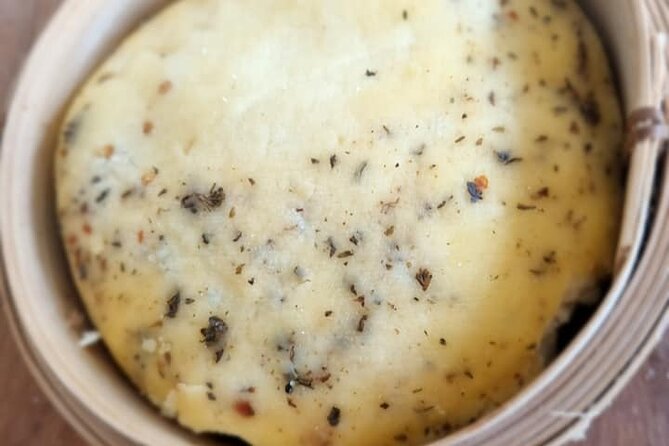
Kavarma is baked in a pot and covered with omelette. You’re basically learning how Bulgarian home-style cooking creates a thick, satisfying base. The omelette layer is a signature texture moment, and it’s the kind of dish that makes you think, I could feed a crowd with this.
Mekitzi, the breakfast or dessert cousin of langos
Mekitzi are the cousin of Hungarian langos. In Bulgaria, they’re eaten for breakfast or dessert, with honey or with feta cheese. If you’ve never tried this style before, it’s a fun one to cook because the dough and frying process teaches you what “right texture” means.
You only cook three dishes per class, but having these options means you can steer your menu. If you tell Mariela what you like, you’re much more likely to end up with a spread that feels personal instead of generic.
The Market-to-Kitchen Link: Why This Class Feels More Authentic
A lot of cooking classes teach recipes. This one teaches the bridge between ingredient choice and final flavor.
You shop at Woman’s Market when conditions allow, then you cook with that in mind. So when you handle vegetables, cheese, or pastry items, you’re more likely to remember why that product matters. It also helps you ask better questions in the future, like what to look for when you buy similar ingredients back home.
Another authentic factor is how the day is structured around eating. After the class is finished, you do a food tasting that becomes lunch or dinner. That means you’re not cooking for a plate you never eat. You cook, you taste, then you get to compare your version with what’s typical, which is how you improve as a home cook.
Tasting Time: Lunch or Dinner, and the Part People Don’t Expect
Meals are included, and the class includes lunch, brunch, and dinner. You should assume you’ll leave full, and that’s usually why this tour feels like more than just a half-day activity. It’s a real eating experience that happens to be educational.
One practical catch is portion size. In at least one solo case, the dishes were too large for a single serving. That doesn’t mean the class is wrong, it means you should plan for leftovers or come with someone if you hate waste or you’re dieting. If you’re traveling solo, ask in advance about how they handle solo serving size, if that option exists.
Also, alcohol and soda/pop are not included, and bottled water is not included either. You’ll want to plan on buying drinks separately if you need them.
Price and Value: Why $138.18 Can Be Fair for Sofia
At about $138.18 per person, this isn’t a cheap snack lesson. But it does offer value in a few clear ways.
First, you get private group participation only for your group. That usually means more direct attention and less time spent waiting. Second, you cook three dishes with equipment provided, and you also eat a full tasting meal. When you add in the market stop component (when weather cooperates), you’re basically paying for a guided food day, not just a cooking session.
Is it worth it? For me, it’s most fair if you want both technique and culture. If you only want recipes you can read, you’ll feel the price more. If you want hands-on learning, a tailored menu, and an actual Sofia food experience you can’t replicate in a grocery-store kitchen, the cost starts to make sense.
Who This Bulgarian Food Tasting and Cooking Class Fits Best
This is a great fit if you:
- Want a hands-on cooking day where the menu adapts to your preferences
- Like learning technique, not just following steps
- Enjoy Sofia city context without committing to a long museum-heavy tour
- Want to eat well, because lunch or dinner happens after cooking
It’s also a good option if you like meeting a friendly guide who talks while teaching. People specifically highlight how conversational Mariela is, and how she shares her experience and stories, including talk about her background beyond cooking.
If you’re very sensitive to animals, double-check the cat situation before booking. And if stairs are a problem, keep the second-floor kitchen in mind.
How the Timeline Really Feels on the Ground
Even though the duration is listed as about 6 hours, the feel can stretch depending on your day and what’s included. When the market shop happens, you’ll have more walking and product stops before you start cooking. Then you need time to cook, set food out, and eat.
If you’re a planner, build a buffer around the full experience. I’d avoid scheduling anything demanding right after the end time, because you’ll likely be in tasting mode and slower to move once everything is set on the table.
The good news is the day is guided start to finish. The meeting point is clear, and if you want pickup you can meet at the metro station Luvov Most.
Should You Book This Cooking Class in Sofia?
Book it if you want the kind of food experience that teaches you how to make classic Bulgarian dishes, with a guide who tailors the menu and explains what you’re doing as you cook. It’s especially appealing if you want to eat what you make, not just sample a small taste.
Skip it only if you hate stairs, have strong allergies to pets, or you’re looking for a quick snack. This is a real cooking and eating day, and that means time, attention, and full plates.
If you come with curiosity and a willingness to try, you’ll walk away with technique, flavors to remember, and a menu you can recreate at home with confidence.
FAQ
What time does the experience start in Sofia?
It starts at 9:00 am.
Where do we meet for the tour?
You meet at the Church of St. Nicholas the Wonderworker, Sofia Center, bul. Tsar Osvoboditel 3, 1000 Sofia, Bulgaria. Pickup is possible, and you can meet at the subway metro station Luvov Most.
How long is the cooking class?
The duration is about 6 hours.
What dishes will I cook?
You will learn to cook three typical Bulgarian dishes. The exact dishes depend on your cooking skills and personal preferences.
Will there be a market stop?
If the weather is fine and it is a working day, you will do grocery shopping together at the Woman’s Market, and you will learn about Bulgarian products and traditions.
What meals are included?
Lunch, brunch, and dinner are included, along with kitchen equipment.
Are drinks included?
Alcoholic beverages, soda/pop, and bottled water are not included.
Is the tour private?
Yes, it is a private tour/activity, with only your group participating.
Is the kitchen accessible by elevator?
The kitchen is on the second floor and there is no elevator in the building.
Is the activity offered in English?
Yes, it is offered in English. Confirmation will be received at the time of booking.
Workshops to Book in Sofia



More History on Foot around Sofia


Added recently around Sofia
- Archaeological tour-From the Neolithic to Modern times in Augusta Trayana★ 5.0 · 1 review
- Sofia Full Day Tour★ 5.0 · 1 review
- 05.12.2026 Night of the Stars Show Ticket with Exclusive Access★ 5.0 · 1 review
- PRIVATE adventure to Rila Lakes – GROUP price for 6★ 5.0 · 1 review
- Melnik & Rozen Monastery Tour: Wine Tasting, History, Scenic Walk★ 5.0 · 1 review
- Small-group Weekend trip to Bulgaria’s most famous sites★ 5.0 · 1 review
- Exclusive Afternoon Wine & Appetizers with Local★ 5.0 · 1 review
Food & Drink, compared.
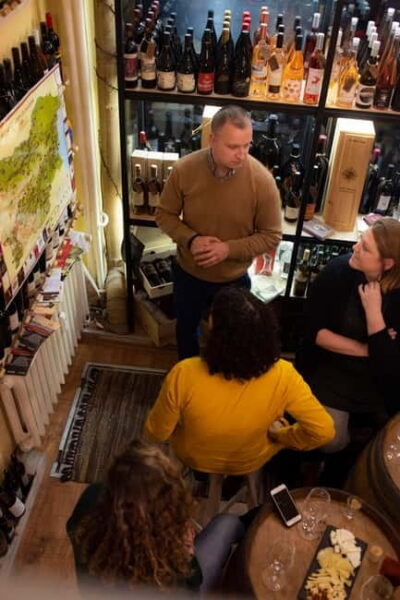
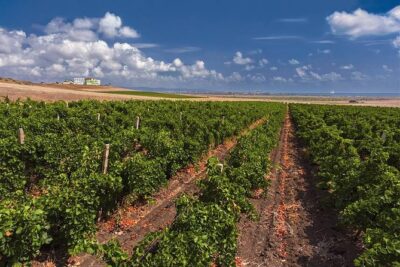
Special History And Wine Tour including Wine Tasting
Read our review →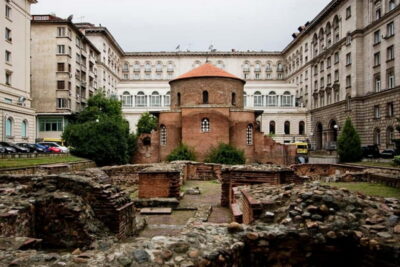
Sofia Afternoon Walking Tour with Wine and Food Tasting
Read our review →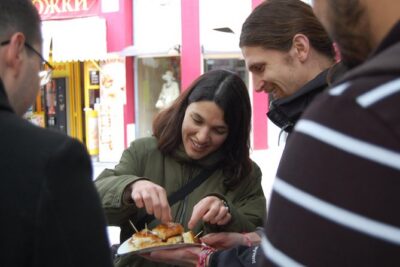
Food Walk: Bulgarian Food and Culture Tour in Plovdiv
Read our review →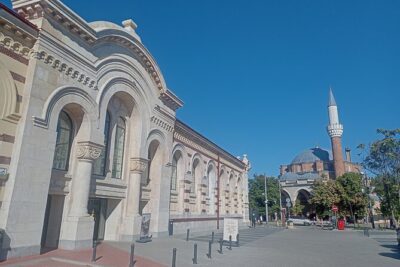
Sofia Food & Tasting Tour with Communist-Era Tram Ride
Read our review →Browse the lists this tour appears in