Review · TICKETS
Sofia: Private Orthodox Heraldry Tour with Entry Tickets
Sofia’s churches tell stories in layers. This private, 2-hour tour links three Orthodox sites, their crypts, and a royal tomb into one tidy walk, with an English guide ready to explain what you are seeing and why it matters. I love the scale of Alexander Nevsky Cathedral and its golden domes, and I especially like the icon gallery inside the cathedral crypt.
One possible drawback: this tour is not suitable for people with mobility impairments, since you will be moving through churches and historical spaces that are not built for easy access.
In This Review
- Key points to know before you go
- First stop: Meeting in front of Alexander Nevsky Cathedral
- Alexander Nevsky Cathedral: domes outside, icons inside the crypt
- St. Sophia Basilica: Roman Serdica history under Sofia’s feet
- Christian evolution and Orthodoxy versus Catholicism, explained in plain terms
- Russian Church of St. Nicholas: unique Russian Orthodox character and St. Seraphim
- Alexander I Battenberg’s tomb: linking church heritage to national identity
- Price and value for a 2-hour private tour
- Who this Sofia Orthodox heraldry tour fits best
- Should you book this tour?
- FAQ
- How long is the Orthodox heraldry tour in Sofia?
- Where do we meet the guide?
- Is this a private tour?
- What language is the guide?
- What does the tour cost?
- What stops are included?
- What should I wear or bring?
- Is the tour suitable for people with mobility impairments?
Key points to know before you go
- Golden-domed Alexander Nevsky plus a crypt stop that turns “a quick photo” into real context
- Bulgarian Orthodox iconography explained from the Middle Ages through the late 19th century
- St. Sophia Basilica museum layers, where Roman Serdica history shows up underfoot
- Russian Orthodox St. Nicholas and the crypt of St. Seraphim, with the meaning behind the wish tradition
- Alexander I Battenberg’s tomb ties religious history to Bulgaria’s national story
- Private, English-led pacing that works well when you want answers, not just sights
Other Sofia days worth a look
- From Sofia: Rila Monastery & Boyana Church Day Tour★ 4.7 · 5,107 reviews
- From Sofia: Must-See Rila Monastery & Boyana Church Day Tour★ 4.6 · 3,322 reviews
- From Sofia: Guided Day Tour of Plovdiv’s Must-See Sights★ 4.6 · 1,688 reviews
- From Sofia: 7 Rila Lakes and Rila Monastery Extended Trip★ 4.7 · 1,189 reviews
First stop: Meeting in front of Alexander Nevsky Cathedral
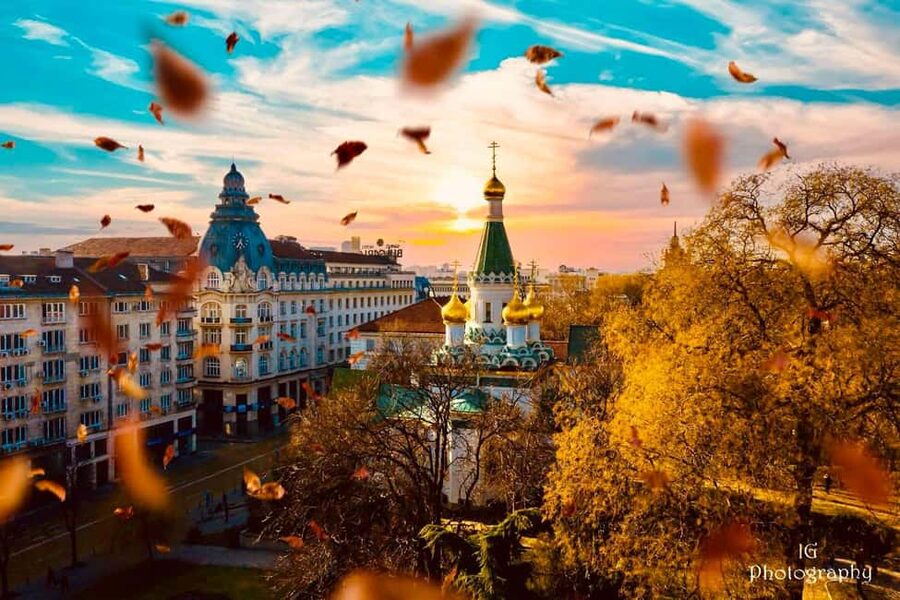
Your tour starts in front of Saint Alexander Nevsky Cathedral, where the guide holds a sign that reads Sofia tour. That meeting point is a smart choice because you begin with the most obvious landmark first, then the day makes more sense as you move from church to church.
This is a private group with an English live guide, so the pace tends to be question-friendly. You are not just walking from one monument to the next. You are getting explanations for symbols, Christian traditions, and the local Bulgarian angle on Orthodox Christianity.
Plan on wearing comfortable shoes. Even within a short 2-hour window, churches come with their own rhythms: waiting a moment, walking corridors, stepping into crypt spaces, and moving between sacred rooms where everyone needs to keep things respectful. If you are the type who gets grumpy when you have to slow down for holy spaces, this might test your patience. If you prefer calm, focused sightseeing, you will probably like it.
One practical note for expectations: photography can be restricted in certain areas. So instead of relying on your camera as your main memory tool, look at details while you are there, like the domes from the outside and the icon artwork once you are inside.
Alexander Nevsky Cathedral: domes outside, icons inside the crypt
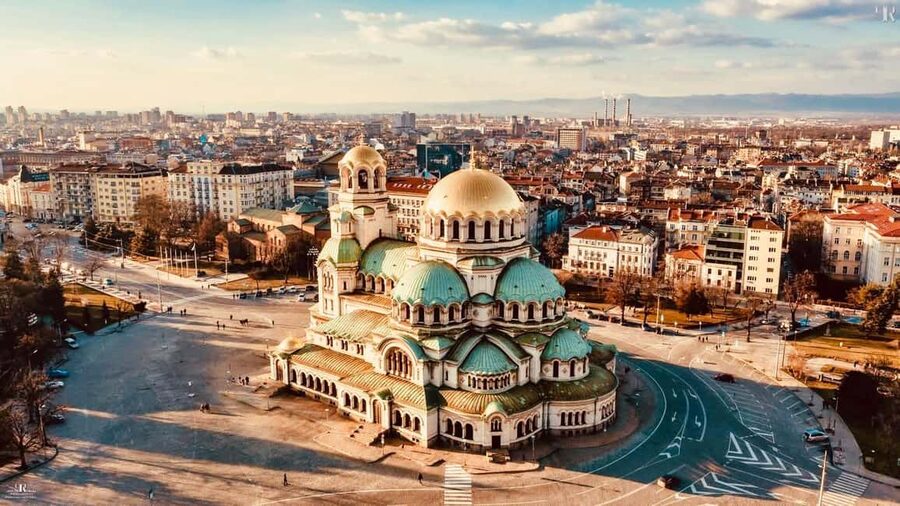
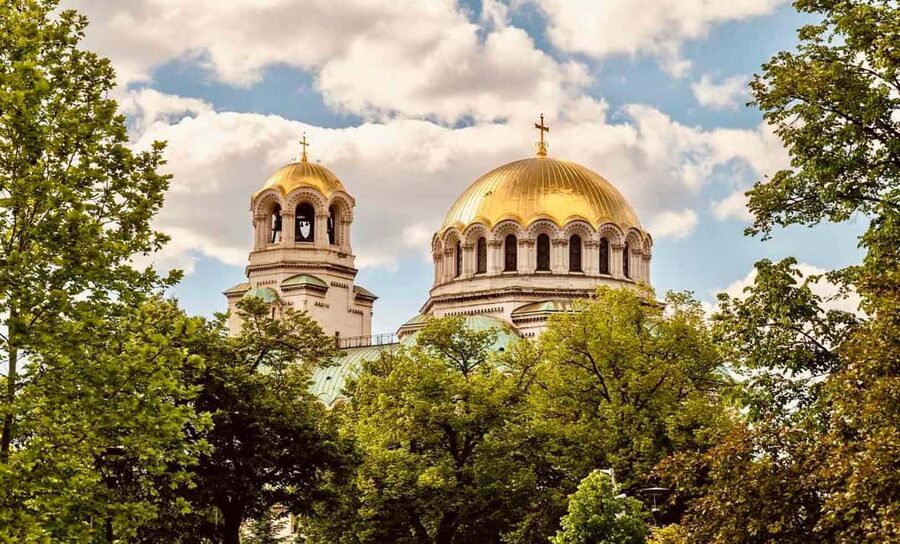
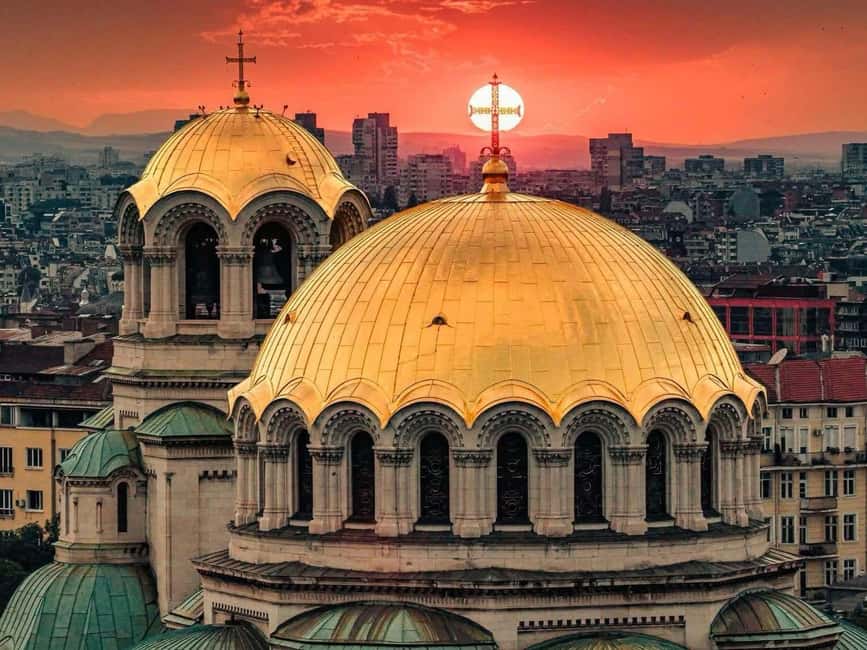
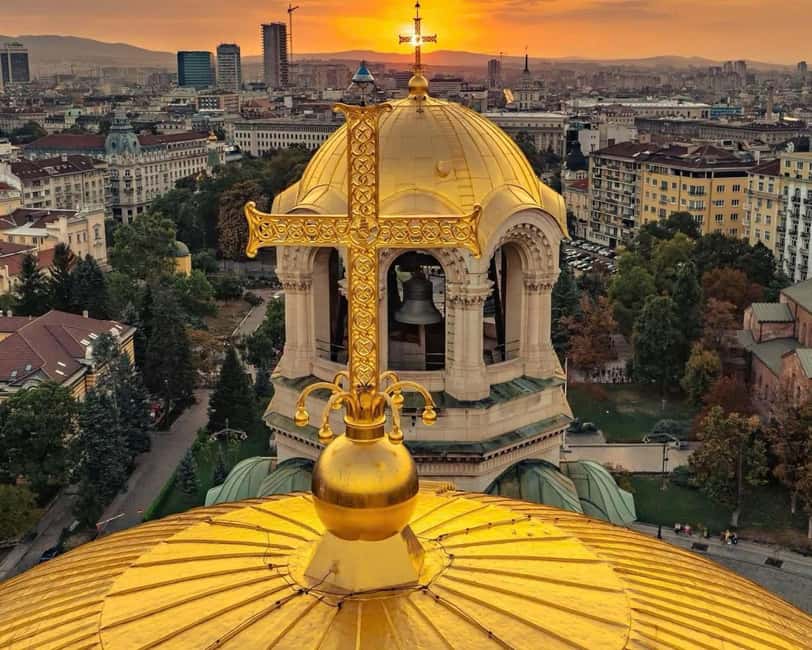
Alexander Nevsky Cathedral is the kind of place that makes you stop mid-step. The golden domes are the obvious showpiece, and the guide helps you see beyond the postcard view.
Inside, you focus on Orthodox traditions and the specific Bulgarian story around this church, including the tales tied to the cathedral’s construction. The tour frames it as the Patriarchal Cathedral of Alexander Nevsky, and it is treated as the grandest Orthodox church on the Balkan Peninsula. The guide’s explanations are useful because they connect architecture and scale to identity, not just engineering.
The real “wait, wow” moment for many people is the crypt. You get access to an icon gallery located in the crypt of the cathedral. This is where the tour shifts from sightseeing to meaning. You are not just seeing icons as decorations. You learn what Bulgarian Orthodox iconography looked like across time, from the Middle Ages through the late 19th century.
If you usually find religious art hard to decode, this is a good stop. Icons can feel like they are doing too many jobs at once, spiritual, educational, artistic, and political. Here, the guide’s context helps you read the icon world as a history lesson in paint and symbols.
Tips for the cathedral stop:
- Move slowly in the crypt. Icons reward quiet looking.
- If photography is limited, treat it like a reason to practice memory, not a punishment.
- Save your biggest questions for when you can hear the guide clearly, because crypt acoustics and crowd flow can change.
St. Sophia Basilica: Roman Serdica history under Sofia’s feet
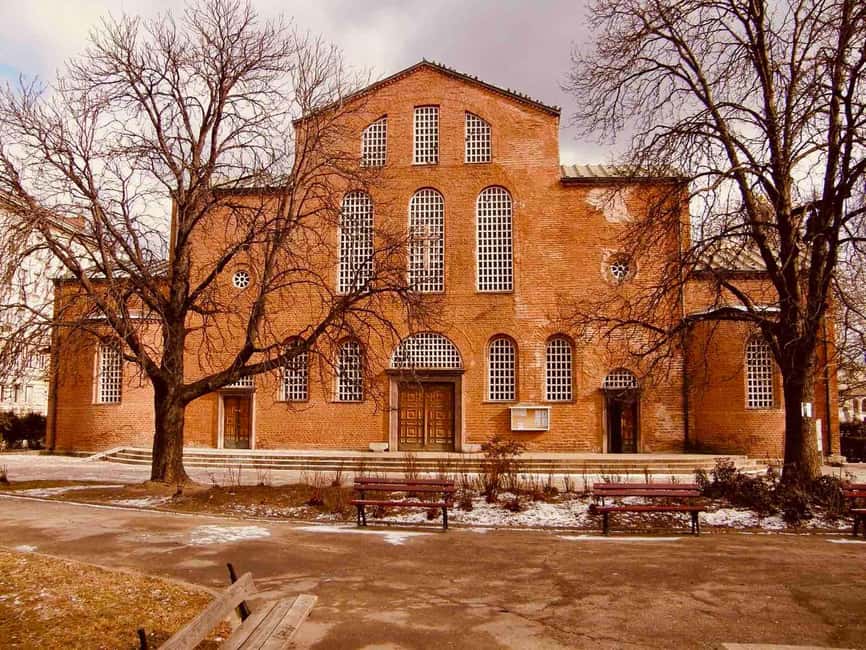
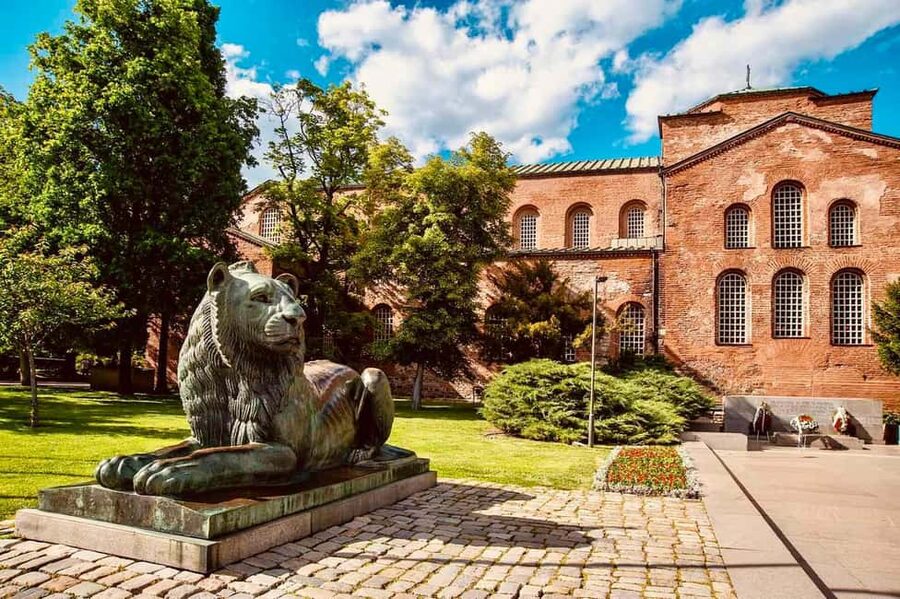
After Alexander Nevsky, the tour moves to the St. Sophia Basilica, another anchor of Sofia’s Orthodox heritage. This stop is valuable because it shows how layered the city is. You are not only looking at Christian worship. You are seeing the way Sofia’s deeper past keeps showing up in the present.
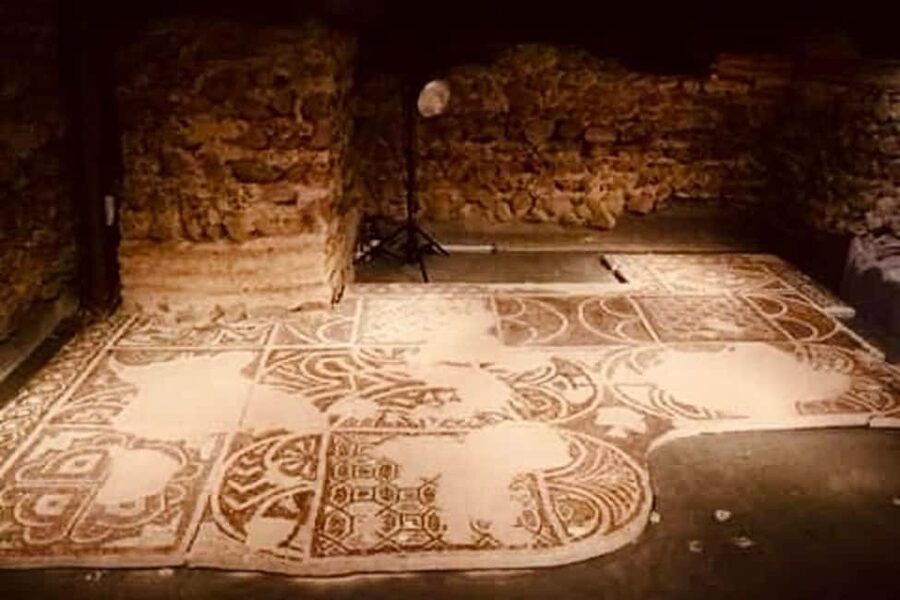
The St. Sophia Basilica visit includes time for the museum connected to the ancient site. The tour highlights the Roman-era history of the city of Serdica, with the museum framed as a place where echoes of that earlier world resonate.
That Roman context matters for understanding why a Christian basilica is not just a building. Sofia sits on older foundations, and the museum helps you notice how cultures overlap over centuries. If you have ever wondered why some cities feel like time travel, this is the kind of evidence that answers that question.
Where this stop fits best is right after Alexander Nevsky. You start with the big, iconic Orthodox statement. Then St. Sophia gives you the older, more foundational church layer, including its museum setting. Together, they make Sofia’s Orthodox story feel less like three separate visits and more like one continuous timeline.
A consideration: since you are moving between churches within a fixed 2-hour schedule, you will not have time for a long museum wander. The goal here is orientation and understanding, not deep solo study. If you love spending hours in one room, you may want to plan a return visit later. For a first introduction, this pacing is efficient.
Christian evolution and Orthodoxy versus Catholicism, explained in plain terms
One of the tour’s strongest features is that it does not keep everything trapped inside church walls. It also addresses Christian evolution and the key tenets and distinctions between Orthodoxy and Catholicism.
You get this as part of the guide’s storytelling while you are seeing each church. That matters, because discussions about theology can feel abstract if you are not anchored to physical places and symbols. In this tour, you are learning while you observe, so the ideas stick better.
The tour positions Bulgarian Orthodox Christianity in a wider map of Christian history, connecting faith traditions to national identity. You also learn about the life of Bulgaria’s first monarch after liberation from five centuries of Ottoman rule. That historical thread is important, because it explains why religious buildings in Sofia were never just spiritual spaces. They were also part of a national story about freedom, continuity, and belonging.
If you like learning through context rather than reading a pamphlet, you will probably find this section one of the most rewarding parts of the tour. It turns a “church tour” into a cultural tour.
A different sort of day from the same city:
- Sofia: Communist Walking Tour
★ 4.9 · 1,106 reviews - From Sofia: The Seven Rila Lakes Full-Day Hiking Tour
★ 4.7 · 923 reviews - Rila Monastery and Boyana Church Full-Day Tour
★ 4.5 · 918 reviews
Russian Church of St. Nicholas: unique Russian Orthodox character and St. Seraphim
Next comes the Russian Church of St. Nicholas, which adds a second layer to the Orthodox picture. You are still in the Orthodox world, but the guide focuses on what makes Russian Orthodoxy distinct.
That difference is the point. Sofia’s Orthodox identity is shaped by many influences, and Russian-style sacred art and practice are part of that story. The tour uses this stop to broaden your understanding beyond one national expression of Orthodoxy.
Then you visit the crypt of St. Seraphim. This is where the tour gets especially personal in tone, because the site is associated with a tradition of people descending to share wishes written on paper with the saint. Even if you are not copying the exact practice yourself, you are learning what it means for believers, and why crypt spaces can feel more intimate and goal-oriented than the main sanctuary.
Why I like this stop: it changes the “feel” of the tour. You go from grand architecture and icon galleries to something more focused on prayer, devotion, and personal requests. That contrast helps you understand the full emotional range of Orthodox sacred spaces.
Photographs might be limited here too, and that is fine. The crypt is meant to be a quiet space. If you want good photos, plan to spend your attention on the moments when the guide confirms where pictures are allowed.
Alexander I Battenberg’s tomb: linking church heritage to national identity
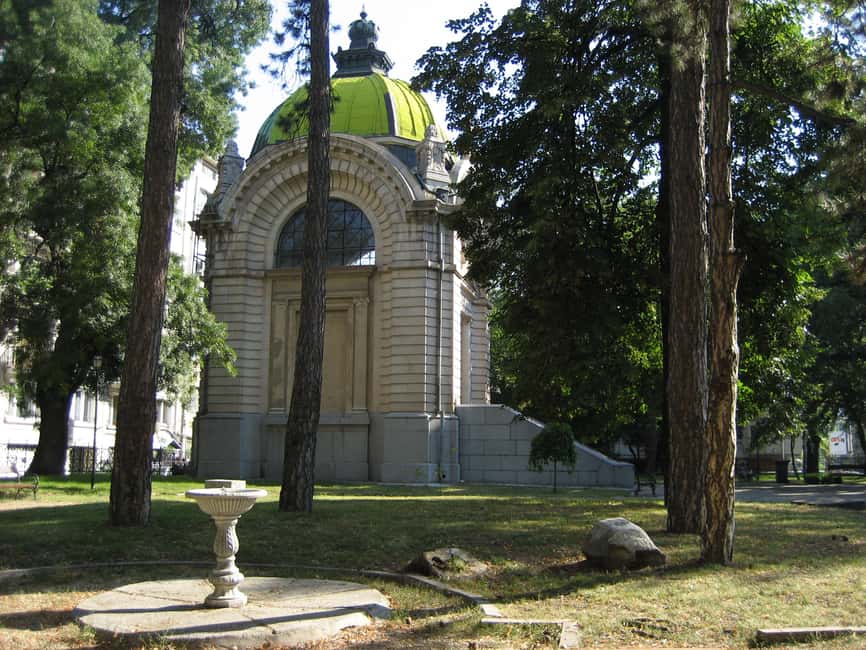
The tour wraps up with a visit to the tomb of Alexander I Battenberg, Bulgaria’s first king. This is not a random add-on. It ties the spiritual story you have been learning into the national story of modern Bulgaria.
The guide frames Alexander I Battenberg as the first monarch after liberation, and you learn about his life and deeds from the late 19th century. That time period is crucial because Bulgaria’s move out of Ottoman rule reshaped how institutions, symbols, and public life formed. Religion and nation-building often travel together, especially when a country is rebuilding its identity.
You will also notice how this tomb stop changes the tour’s emotional tone. Churches can feel timeless. A king’s tomb brings you back to human decisions, political struggle, and the cost of change. It reminds you that even sacred monuments sit inside real history.
If you enjoy national history but do not want a full museum day, this is a great compromise. In two hours, you get a concentrated introduction, and you leave with a story thread you can follow later on your own.
Price and value for a 2-hour private tour
The tour costs $70 per person and lasts 2 hours. That might sound like a lot until you line up what you actually get in that short window.
You are paying for:
- A private, English live guide
- Access that includes the icon gallery in Alexander Nevsky’s crypt and other crypt visits
- Museum time at the St. Sophia Basilica area
- Stops at three major Orthodox churches plus the tomb of Alexander I Battenberg
So the value comes from two places: expert guidance and entry access to spaces that many people cannot just wander into on their own. In Sofia, churches and crypts can be the difference between a surface visit and a real cultural experience.
Is it worth it if you just want photos? Maybe not. You could probably do the sites yourself in a slower loop. But if you want explanations about heraldry, iconography, Orthodoxy versus Catholicism, and how these sites connect to Bulgaria’s liberation era, $70 starts to look like a fair trade for time and context.
This is also a good option if you hate awkward group timing. A private group means you can keep moving at a pace that fits your attention span, and you can ask follow-up questions without feeling like you are holding up a crowd.
Who this Sofia Orthodox heraldry tour fits best
This tour suits you if you:
- Want a focused, 2-hour intro to Sofia’s three principal Orthodox churches
- Like religious art when someone explains what you are looking at
- Prefer a guide who ties buildings to history, symbols, and Christian traditions
- Want a cultural outing that feels more meaningful than a checklist
You might skip it if you:
- Need step-free access, since it is not suitable for mobility impairments
- Are looking for lots of free time in each museum area, because visits are short by design
Best mindset to bring: treat this like a guided story walk. If you let the guide’s narrative connect the domes, crypts, Roman layers, and the royal tomb, the experience will click quickly. If you treat each stop as separate and rush through, you will miss the point.
Should you book this tour?
I think you should book it if you want real context in a short visit. The big selling points are the English, live guidance and the attention to crypt spaces, icon gallery art, and the practical history that links Orthodoxy, Bulgarian identity, and the liberation era.
Pass if you need full accessibility or if you know you want long museum browsing. For everyone else, it is a smart way to see Sofia’s Orthodox heart in one compact, guided loop, without turning your day into a stressful schedule.
FAQ
How long is the Orthodox heraldry tour in Sofia?
The tour lasts 2 hours.
Where do we meet the guide?
You meet in front of Saint Alexander Nevsky Cathedral, and the guide will be holding a sign that says Sofia tour.
Is this a private tour?
Yes, it is a private group tour.
What language is the guide?
The live tour guide speaks English.
What does the tour cost?
The price is $70 per person.
What stops are included?
You visit Alexander Nevsky Cathedral (including its crypt icon gallery), the St. Sophia Basilica (including its Roman-era museum), the Russian Church of St. Nicholas (including the crypt of St. Seraphim), and the tomb of Alexander I Battenberg.
What should I wear or bring?
Wear comfortable shoes and plan for respectful attire in religious sites. Photography may be restricted in certain areas.
Is the tour suitable for people with mobility impairments?
No. It is not suitable for people with mobility impairments.
Added recently around Sofia
- Archaeological tour-From the Neolithic to Modern times in Augusta Trayana★ 5.0 · 1 review
- Sofia Full Day Tour★ 5.0 · 1 review
- PRIVATE adventure to Rila Lakes – GROUP price for 6★ 5.0 · 1 review
- 05.12.2026 Night of the Stars Show Ticket with Exclusive Access★ 5.0 · 1 review
- Melnik & Rozen Monastery Tour: Wine Tasting, History, Scenic Walk★ 5.0 · 1 review
- Small-group Weekend trip to Bulgaria’s most famous sites★ 5.0 · 1 review
- Exclusive Afternoon Wine & Appetizers with Local★ 5.0 · 1 review
Tickets, compared.
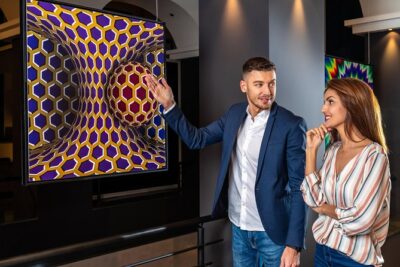
Admission Ticket to the Museum of Illusions in Sofia
Read our review →
Admission Ticket to Illusions in Museum in Veliko Turnovo
Read our review →
Self-guided tour in Varna Archaeological Museum + ticket
Read our review →
Seven Rila Lakes Guided Hike With chairlift ticket
Read our review →