Review · SOFIA TOURS
Sofia: Taste Bulgarian Yogurt Kiselo Mlyako in a Family Home
Yogurt here is a family obsession. I love that this is not a showroom tasting, but a sit-down meal in a real Sofia apartment where kiselo mlyako is explained and served with confidence. You get to compare multiple milk types and hear, in plain language, how Lactobacillus bulgaricus shapes the flavor.
I also like the calm, small-group feel, because you can actually ask questions. The tasting is built around a structured flight of yogurts plus traditional toppings like jam, honey, walnuts, and fresh fruit, with coffee and a drink like Bulgarian white wine or ayran.
One consideration: this is dairy-forward, so it is not for people with lactose intolerance or for those who need to avoid gluten, or who have food allergies.
In This Review
- Key things I’d circle before you go
- A Family Table in Lozenets, Not a Souvenir Stop
- Why Kiselo Mlyako Depends on Lactobacillus Bulgaricus
- The 5-Yogurt Flight: Cow, Sheep, Buffalo, Goat, Village
- The Toppings and Drinks That Turn Yogurt Into a Full Experience
- Meeting the People Behind the Yogurt: Nadya, Georgi, Yoan, and More
- Price and Time: Is $53 for 90 Minutes Good Value?
- Who Should Book, and Who Should Skip It
- Should You Book Taste Bulgarian Yogurt in a Family Home?
- FAQ
- Where do I meet for the Bulgarian yogurt tasting in Sofia?
- How long is the experience?
- What is included in the tasting?
- How many people are in the group?
- Is it suitable for lactose intolerance or gluten intolerance?
- Can I cancel for a refund?
Key things I’d circle before you go

- Five kiselo mlyako samples across cow, sheep, buffalo, goat, and a homemade village style
- A direct comparison to supermarket yogurt, so you can taste the difference in texture and aroma
- Family-taught reasons for the culture, including how Lactobacillus bulgaricus fits Bulgarian everyday life
- Toppings that change the yogurt experience, from honey and walnuts to fig jam and seasonal fruit
- A drink that keeps it moving, typically Bulgarian white wine or ayran, plus coffee and water
- A genuinely small group size, capped at 6, usually hosted in English
Other Sofia days worth a look
- From Sofia: Rila Monastery & Boyana Church Day Tour★ 4.7 · 5,107 reviews
- From Sofia: Must-See Rila Monastery & Boyana Church Day Tour★ 4.6 · 3,322 reviews
- From Sofia: Guided Day Tour of Plovdiv’s Must-See Sights★ 4.6 · 1,688 reviews
- From Sofia: 7 Rila Lakes and Rila Monastery Extended Trip★ 4.7 · 1,189 reviews
A Family Table in Lozenets, Not a Souvenir Stop
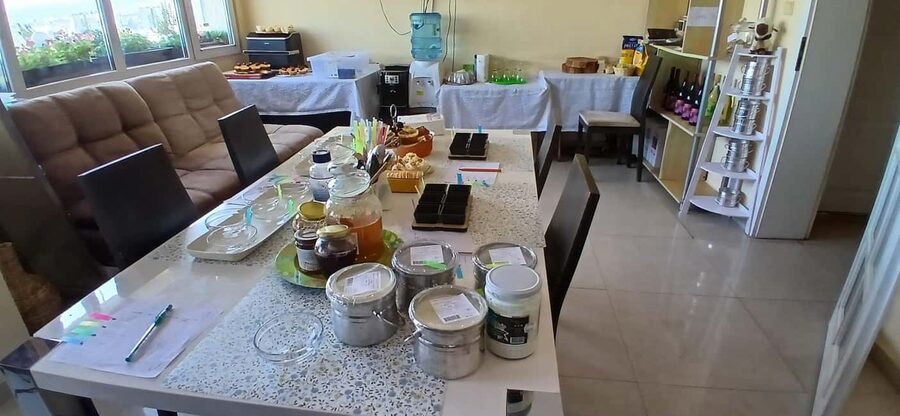
This is the kind of experience that feels like a door opening, not like a ticketed event. You meet near James Bourchier Metro Station (blue line), and you are guided to a nearby home in Sofia’s Lozenets district, right by tram lines 10 and 15. The greeter waits outside about 10 minutes before start time, then you head inside.
Inside, expect an apartment setup with a warm, everyday feel. Several guides in the group (often with young hosts like Georgi or Yoan, plus their mum Nadya) focus on hospitality first and explanations second. If you have ever wondered why Bulgarian food can feel both simple and oddly sophisticated, this is a fast answer.
The other big advantage for me is the pacing. You are not rushed through five tiny bites and told to move on. The format is designed for taste, talk, and comparison, and that matters because yogurt is not a single flavor. It is fermentation, fat content, and milk personality, all in one spoon.
Why Kiselo Mlyako Depends on Lactobacillus Bulgaricus
Kiselo mlyako is yogurt in the Bulgarian way, and the Bulgarian angle is tied to fermentation culture. The host family explains how Lactobacillus bulgaricus plays a central role in the yogurt’s character, and why that bacterial culture is not just a scientific footnote in their kitchens.
What I like about the way this is taught is that it stays practical. You learn what fermentation changes, then you prove it with your taste buds across multiple milks. When you compare samples, you start to notice how aroma and texture shift, not just the sourness.
You also get a cultural layer that makes the yogurt feel grounded, not trendy. Bulgaria frames kiselo mlyako as part of daily life and longevity traditions, and the family keeps that story connected to what they actually serve. That matters, because it turns a food item into something you understand, not just something you eat.
The 5-Yogurt Flight: Cow, Sheep, Buffalo, Goat, Village

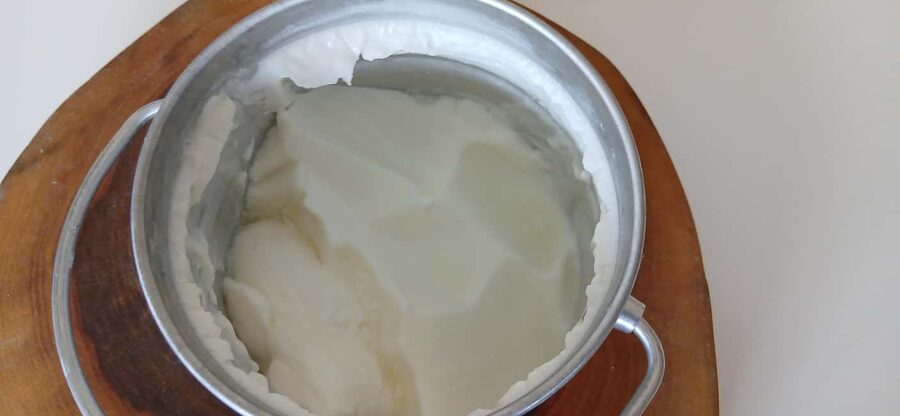
The heart of the experience is a guided tasting of five types of yogurt, typically presented in a deliberate order so you can compare. You sample yogurt made from cow, sheep, buffalo, and goat milk, plus a homemade village-style version.
Here’s what to pay attention to as you taste, because this is where the experience earns its money:
- Cow milk yogurt often feels the most familiar and can act as your baseline for acidity and creaminess.
- Sheep milk yogurt can taste more pronounced, with a richer aroma that shows up as soon as you smell before the first spoon.
- Buffalo milk yogurt is usually the “wait, that’s different” sample. Buffalo milk tends to bring a unique richness and body, and you will notice it as texture more than anything.
- Goat milk yogurt often shifts the flavor profile in a way people remember, especially if you have tasted little or no goat dairy before.
- Homemade village style is the wildcard, and in a good way. This is the closest to what the family does, and it often reads as fresher and more complex.
Then you add another comparison point: you also taste a supermarket version. That matters because it gives you context. You can tell how commercial processing affects texture and fermentation character, and suddenly the tasting is not just “which one is best,” but “why Bulgarian yogurt is built differently.”
Small-group size helps here. When you can ask questions without shouting, you get answers about milk types, fermentation, and how toppings interact with each yogurt’s flavor.
The Toppings and Drinks That Turn Yogurt Into a Full Experience
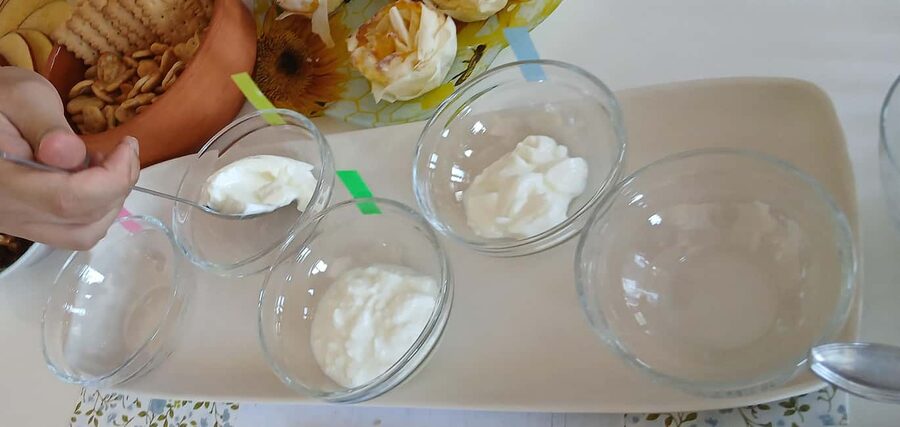
Yogurt on its own is interesting. Yogurt with toppings is where Bulgarian kiselo mlyako becomes a meal. The tasting includes traditional seasonal toppings, and you will commonly see combinations like jam, honey, walnuts, and fresh fruit.
I like that the toppings are not random. They are used to show contrast. Honey can round off sharpness, fruit can brighten acidity, and walnuts add crunch that changes the whole mouthfeel. Jam, especially fig jam, can make the yogurt taste warmer and dessert-like without needing to become sugary.
You might also find spreads and small savory components served alongside the yogurt, and some sessions include things like yogurt-based sauces and even dishes such as tarator soup or baked bites like banitsa. The exact sides can vary, but the intent is consistent: you are not tasting yogurt in isolation, you are tasting it as part of a Bulgarian table.
Drinks keep everything balanced. You get fresh water and coffee, plus a glass of Bulgarian white wine or ayran. Ayran is especially good if you want something cool and salty to reset your palate between samples. Wine tends to complement the richer milks, and coffee helps if the session runs longer than you expected.
A different sort of day from the same city:
- Sofia: Communist Walking Tour
★ 4.9 · 1,106 reviews - From Sofia: The Seven Rila Lakes Full-Day Hiking Tour
★ 4.7 · 923 reviews - Rila Monastery and Boyana Church Full-Day Tour
★ 4.5 · 918 reviews
Meeting the People Behind the Yogurt: Nadya, Georgi, Yoan, and More

This is where the experience becomes memorable beyond flavor. The family members guiding the session often share stories about Bulgarian food culture, everyday life, and how their climate and farming traditions influence what ends up on the table.
In past sessions, names like Nadya (often the mum and the central yogurt-maker), Georgi (often the greeter), Giorgio, Yoan, Joan, and even Pierre show up as hosts or guides. They are not just serving food, they are explaining what they believe, what they make, and why it matters to them.
A detail I appreciate: the conversation can extend beyond yogurt. Some hosts include city tips and cultural stops. For example, advice tied to a nearby Japanese Garden has come up in a session description, showing that you might leave with more than recipes and yogurt opinions.
Also, the atmosphere tends to be relaxed, not scripted. You get time to ask questions about fermentation, ingredients, and Bulgarian culture in English, and the hosts handle curiosity with patience.
Price and Time: Is $53 for 90 Minutes Good Value?

At $53 per person for 90 minutes, this is not a bargain like a street snack. But it also is not priced like a big, bus-tour production. You are paying for a private home setting, guided tastings of multiple milk types, traditional toppings, and drinks like wine or ayran, plus coffee and water.
Where the value lands depends on what you want:
- If you love food that comes with explanation, the cost feels fair because you get depth. Five yogurts plus toppings plus a supermarket comparison is real tasting time.
- If you just want one flavor and you are not into comparisons, you might feel it is pricier than it needs to be.
- If you are a group of two or three, the small-group format tends to feel more personal, and that usually makes people feel like they got their money’s worth.
The other thing to note is that you do not need to plan a whole day around it. Ninety minutes can fit between other Sofia sights, and the meeting point is reachable by metro and tram. If you want a more time-efficient or different setting option, there is also a shorter version held within the Roman walls of Serdica, but you still get the yogurt focus.
Who Should Book, and Who Should Skip It
This experience is ideal for:
- Food lovers who like to compare and learn, not just eat
- People who want a local home meal in Sofia’s Lozenets area
- Travelers who appreciate small groups and English explanations
- Anyone curious about why Bulgarian yogurt is a worldwide reference point
Be careful if you:
- Have lactose intolerance. This is not designed for low-lactose diets.
- Have gluten intolerance. Gluten intolerance is listed as not suitable.
- Have food allergies. Allergies are explicitly noted as not suitable.
Also, no bikes are allowed, so if you plan to bring a bicycle, plan differently.
If dairy is fine for you, you will likely enjoy this more than almost any “yogurt stop” you can do on your own, because you get structured comparisons and cultural context in one sitting.
Should You Book Taste Bulgarian Yogurt in a Family Home?
I think you should book if you want a Sofia experience that feels personal, not performative. The standout for me is the combination of guided tasting and real cultural explanation, especially the structured comparison across cow, sheep, buffalo, goat, and homemade village yogurt, plus the supermarket control sample. Add toppings like honey, walnuts, jam, and fruit, and the session turns into a satisfying, think-along-with-your-spoon meal.
You might skip it if you are sensitive to dairy, need gluten-free choices, or you simply do not want an educational format. And if your schedule is extremely tight, remember it is 90 minutes, not a quick snack.
My practical advice: come hungry enough for multiple tastings, and go in ready to ask questions. If you do, the whole thing clicks, because yogurt is not one flavor, it is a whole food system.
FAQ
Where do I meet for the Bulgarian yogurt tasting in Sofia?
You meet at James Bourchier Metro Station, Zlaten Rog Exit 1. From there, you are guided to the home in the Lozenets district, near Cherni Vrah Blvd. 32 and close to tram lines 10 and 15.
How long is the experience?
It runs for 90 minutes.
What is included in the tasting?
You taste 5 types of kiselo mlyako, including cow, sheep, buffalo, goat, and a homemade village version. You also get traditional seasonal toppings, water, coffee, and a glass of Bulgarian white wine or ayran.
How many people are in the group?
The group is small, limited to 6 participants.
Is it suitable for lactose intolerance or gluten intolerance?
No. People with lactose intolerance, and people with gluten intolerance, are not suitable for this experience. Food allergies are also not suitable.
Can I cancel for a refund?
Yes. You can cancel up to 24 hours in advance for a full refund.
Added recently around Sofia
- Archaeological tour-From the Neolithic to Modern times in Augusta Trayana★ 5.0 · 1 review
- Sofia Full Day Tour★ 5.0 · 1 review
- PRIVATE adventure to Rila Lakes – GROUP price for 6★ 5.0 · 1 review
- 05.12.2026 Night of the Stars Show Ticket with Exclusive Access★ 5.0 · 1 review
- Melnik & Rozen Monastery Tour: Wine Tasting, History, Scenic Walk★ 5.0 · 1 review
- Small-group Weekend trip to Bulgaria’s most famous sites★ 5.0 · 1 review
- Exclusive Afternoon Wine & Appetizers with Local★ 5.0 · 1 review
Sofia Tours, compared.
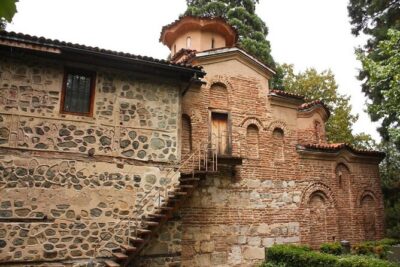
Must-See Rila Monastery & Boyana Church Day Tour
Read our review →

7 Rila Lakes and Rila Monastery Extended Trip
Read our review →