
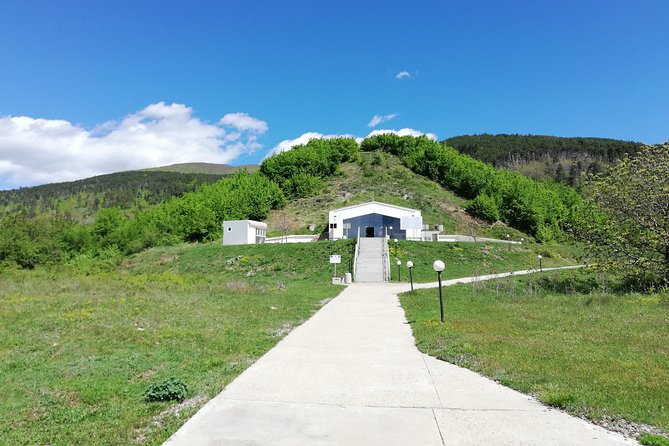
Review · ROSE VALLEY & THRACIAN TOMBS
Valley of the Thracian Kings, Hidden Treasures
Thracian tombs feel like time travel. This day tour is interesting because it strings together UNESCO-grade frescoes and several contrasting burial monuments in the Valley of the Thracian Kings, while keeping things comfortable with door-to-door transport. I also love the free admission to all the stops, so you spend more time looking and less time worrying about tickets. One thing to consider: the day is long, and the tomb interiors are not huge, so you will want good explanations from your guide to get the most out of the time.
You’ll start at 8:00 am in Sofia and ride in a private vehicle, with hotel pickup and drop-off from any point in the city. Groups are kept small, up to 15 travelers, and they also run small-group options (up to 7) or private tours. Expect a moderate walking day, and plan to handle meals on your own since food and drinks are not included.
In This Review
- Key Highlights You’ll Actually Feel During the Day
- Valley of the Thracian Kings: Why This Area Matters
- Kazanlak Tomb: UNESCO Frescoes You Can Read
- Grifoni and Ostrusha: Two Tomb Styles, Two Very Different Stories
- Iskra Historical Museum in Sofia: Turning Tomb Finds Into Context
- The Road Trip Part: Comfort, Countryside Views, and Time Management
- Guides: The Real Difference Between a Good Day and a Great One
- COVID-Safe Practices and Small-Group Strategy
- Price and Value: What $119.27 Actually Buys
- Who Should Book This Tour, and Who Might Skip It
- Should You Book Valley of the Thracian Kings, Hidden Treasures?
- FAQ
- What time does the tour start?
- How long is the tour?
- Is hotel pickup and drop-off included?
- Does the price include entrance fees?
- Is food included?
- What group size should I expect?
- What language is the tour conducted in?
- Do children need to be accompanied by an adult?
- Can I cancel for a full refund?
Key Highlights You’ll Actually Feel During the Day
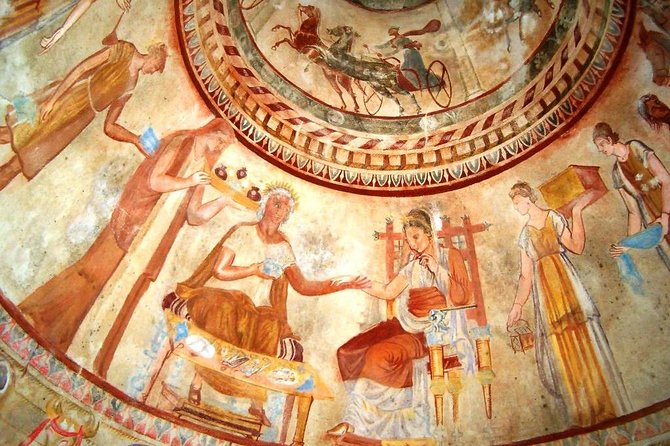
- Kazanlak UNESCO frescoes plus multiple Thracian tombs that show different styles of tomb art
- Four additional tomb stops beyond Kazanlak, including the richly described Grifoni and Ostrusha sites
- Entrance fees included, so the price covers the core sights
- A museum stop in Sofia where the finds from the tombs are easier to study in context
- Small-group pacing, with round-trip comfort and real countryside driving
Rose Valley and the Thracian tombs, more of it:
- From Sofia: The Rose Valley & Buzludzha Monument Day Tour★ 4.8 · 77 reviews
- From Sofia: Rose Valley Full-Day Tour (During Rose Festival)★ 3.9 · 54 reviews
- From Sofia: The Rose Valley & Koprivshtitsa 12 hrs Day Tour★ 4.7 · 39 reviews
- From Sofia: Valley of the Thracian Kings: Hidden Treasures★ 4.7 · 36 reviews
Valley of the Thracian Kings: Why This Area Matters
The Valley of the Thracian Kings sits in Bulgaria’s broader Thracian heartland, and it has a second identity too: this region is tied to rose production, especially rose oil. That mix of agriculture, local traditions, and ancient burial culture gives the day a grounded feel. You’re not just seeing monuments. You’re seeing a living landscape that surrounds them.
The scale of the Thracian burial tradition is part of what grabs you. This region produced about 1,300 tumuli, with roughly 300 excavated. That helps explain why even the best-known tombs can still feel like part of a larger puzzle. Instead of treating each tomb as a one-off, this outing helps you see them as chapters in the same Thracian world, with different artistic solutions and burial layouts.
Kazanlak Tomb: UNESCO Frescoes You Can Read
The first major stop is the Thracian Tomb of Kazanlak, a masterpiece of Thracian artwork and a UNESCO World Heritage site. It dates to the end of the 4th century BC, and what makes it special is the condition of the frescoes and their original look.
In practical terms, that means this is the anchor of the day. Many tours list tombs, but here you get one site that sets a high bar for what you should be looking for. When you step inside, you’re dealing with painted scenes that were meant for a specific purpose, likely tied to beliefs about status and the afterlife. The art style and the way figures and decorative elements are arranged can help you understand why the Thracians are remembered for their skill in both craft and symbolism.
A small tip that will help you enjoy it more: go slow. These tombs can feel like a quick look-and-move stop if your guide is rushing. If you catch yourself doing that, pause mentally and focus on one thing at a time: faces, body posture, or repeating decorative patterns. That approach turns a brief visit into real learning time.
Grifoni and Ostrusha: Two Tomb Styles, Two Very Different Stories
After Kazanlak, your schedule includes four more Thracian tombs, each described as being noticeably different from the others. Even without seeing every tomb in the exact same way, the variety is the point. You get a broader picture of Thracian burial art rather than one narrow style.
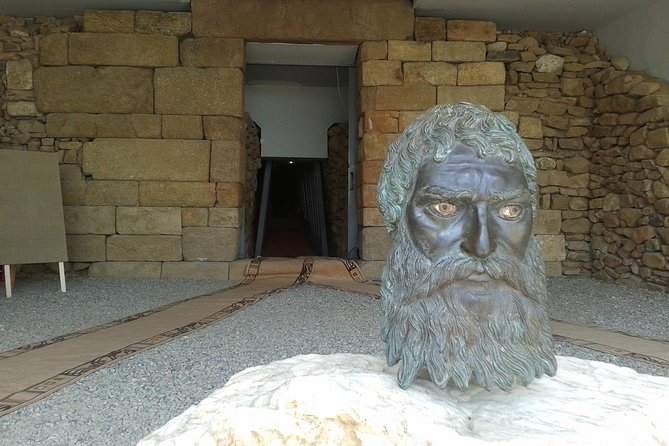
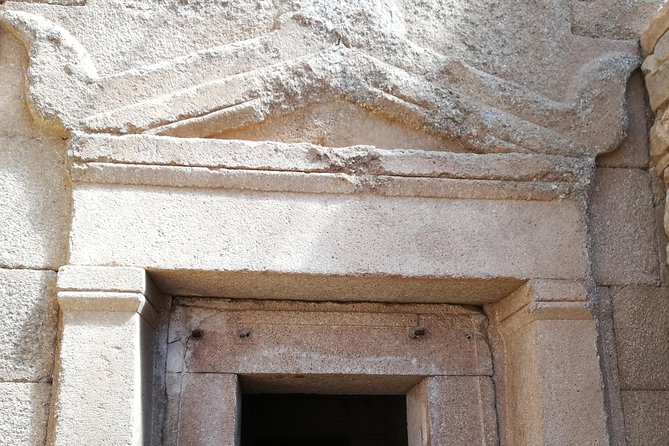
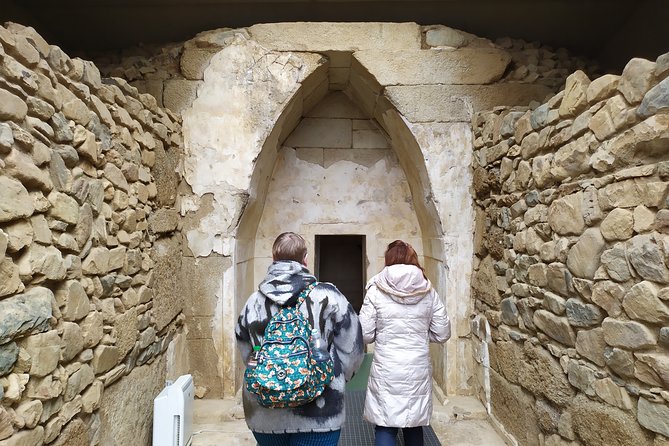
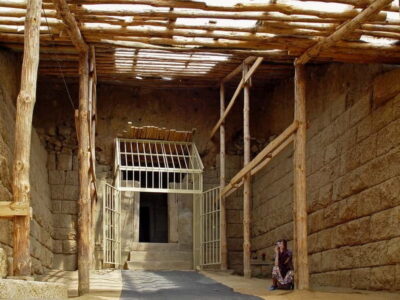
One of the next highlights is the Grifoni tomb, dated to the 5th century BC. What to know ahead of time is its layout: it has three chambers and one corridor. That kind of architectural planning matters because it shapes how the interior artwork is experienced. You aren’t just looking at decoration on walls. You’re moving through a designed sequence, with chambers that create different visual moments.
Grifoni is also noted as one of the richest Thracian burials discovered so far, with valuable artifacts and works of art. That matters for your expectations. The guide’s job here is to connect the tomb architecture to the material culture, basically helping you understand how objects, space, and imagery all support the burial narrative.
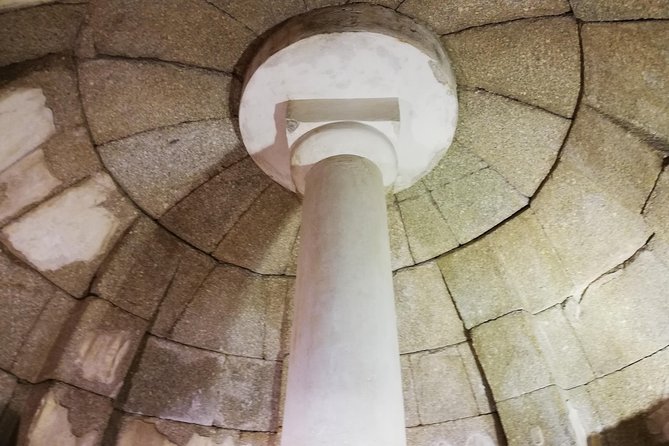
The last tomb stop is the Ostrusha tomb from the 4th century BC. Ostrusha is mainly famous for its unique ceiling, which combines relief and fine decoration, with different portraits, colorful figures, and floral ornaments. This is the type of site that can turn into pure wow factor if you have someone pointing out what you’re actually seeing. If your guide is chatty in a good way, this is where the day often becomes memorable.
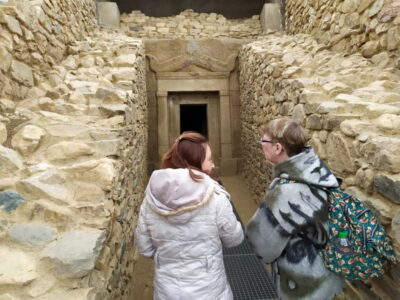
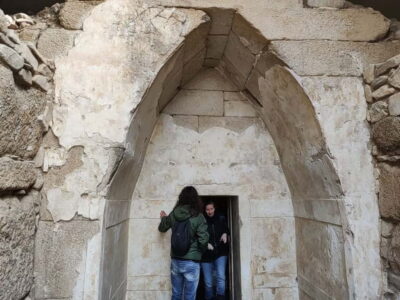
One practical consideration: these tomb interiors are relatively compact. That can be normal for archaeology tomb sites, but it changes the experience. Plan for limited personal space and shorter sight lines. If you like detailed explanations, it pays to listen carefully during the moments you’re inside.
Iskra Historical Museum in Sofia: Turning Tomb Finds Into Context
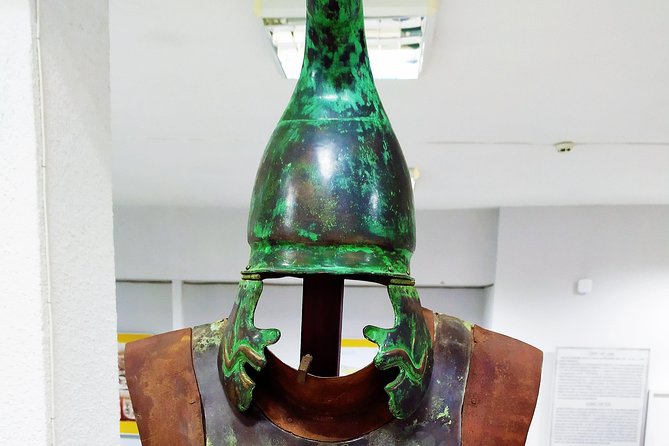
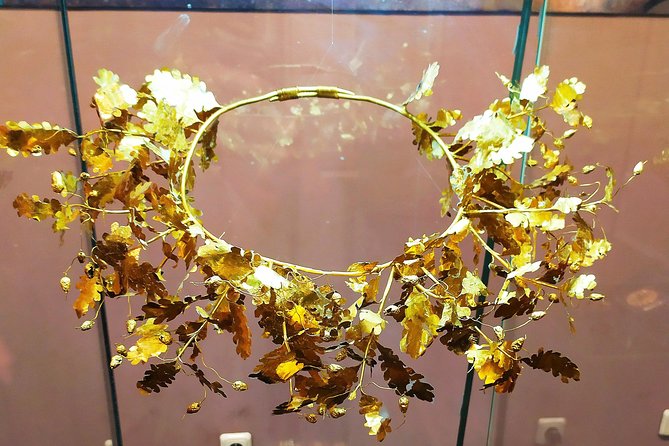
After tomb time, the tour shifts to Iskra Historical Museum, described as a regional archaeological museum stop. This is where you get a different kind of payoff. Inside a museum setting, you can study artifacts and masterpieces of Thracian art and material culture that come from these burial contexts.
This stop is worth it because tomb interiors tell you about space and imagery, but artifacts tell you about objects, craftsmanship, and everyday or ceremonial material choices. Even when a tomb visit feels intense and short, the museum helps you slow down and place what you saw into a wider timeline and theme.
Expect about an hour here, and then you’ll have roughly two and a half hours of a scenic drive back to Sofia. That timing works well because it gives you a chance to absorb what you learned before you hit city life again.
Other Sofia days worth a look
- From Sofia: Rila Monastery & Boyana Church Day Tour
★ 4.7 · 5,107 reviews - From Sofia: Must-See Rila Monastery & Boyana Church Day Tour
★ 4.6 · 3,322 reviews - From Sofia: Guided Day Tour of Plovdiv’s Must-See Sights
★ 4.6 · 1,688 reviews
The Road Trip Part: Comfort, Countryside Views, and Time Management
This is not a quick in-and-out excursion. It’s about 10 hours, roughly, and it includes long round-trip transportation. So yes, you are doing a “whole day” outing. The upside is that you can enjoy the countryside between stops instead of rushing straight from one building to another.
The transportation is private, and pickup is offered from any point in Sofia with hotel drop-off at the end. That door-to-door setup matters if you value smooth mornings, especially since the start time is 8:00 am. If you’ve ever lost 45 minutes finding a meeting point, you’ll appreciate this.
Small group size also affects the road experience. The tour can run with a maximum of 15 travelers, and small-group options can be up to 7. That usually means less waiting, more flexible pacing, and better chances for your guide to answer questions.
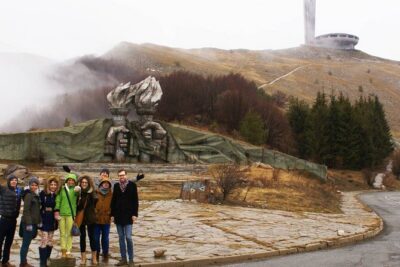
From the countryside driving portion, people have shared extra visual treats, including fields full of sunflowers that stretch far and wide. There can also be distant views of places like Shipka and Buzludzha from points near the tomb stops. You do not need to plan your photography around it, but if you like seeing how modern Bulgaria sits beside its ancient sites, this drive supports the day’s vibe.
Guides: The Real Difference Between a Good Day and a Great One
Here’s the honest truth about this kind of archaeology tour: the guide is the multiplier. The tombs are compact, the art can be easy to miss, and the meaning often needs explanation. The information quality matters more than you might think.
Many guides leading this outing have been praised for being thorough and for giving stories that make Thracian culture feel connected to Bulgarian history. For example, Ivan is repeatedly described as stellar, articulate, and packed with anecdotes. Krassimir shows up in the same category, with people noting lots of detailed information and even extra stops. Guides such as Mikla and Lyubo are mentioned for making the long drives easier with lively conversation and for adding depth through historical framing. Other names you might see in the guide rotation include Daniel and Meto, both associated with strong knowledge and professional storytelling. Adrian is also mentioned in connection with smooth pickup communication.
A single caution from the same set of experiences: if your guide is quiet, tired, or unwilling to narrate, the long drive can feel flatter. One negative account described almost no commentary and very limited Thracian discussion. So if you care about story, you’ll want a guide who actively speaks and answers questions, not just drives.
If you want to boost your odds, do two simple things before the day starts:
- Arrive ready with a few questions about Thracian myths or burial customs so you can steer the conversation.
- If the narration feels off early on, politely ask for more context, like how each tomb style differs and what the ceiling decorations mean.
COVID-Safe Practices and Small-Group Strategy
If you’re traveling with current-world caution in mind, this tour lists several measures. Guides and drivers go through regular medical checks, wear masks during tours, and masks are used in each vehicle. They also use disinfectant spray in vehicles. The operator also organizes tours only for small groups, and private tours are an option if you want even more control over contact.
Even if you don’t think about this day as a “safety trip,” it’s good to know the tour is built around limited group sizes, which generally makes for a more comfortable experience inside small tomb spaces.
Price and Value: What $119.27 Actually Buys
At about $119.27 per person, this is priced like a full-service day. The key value piece is that it includes the items that usually add up fast: a professional guide, hotel pickup and drop-off, transport by private vehicle, and entrance fees for the sights.
Food and drinks are not included, so you’ll need to budget lunch or snacks yourself. That’s normal for day tours like this, but it’s worth planning so you don’t burn time deciding while you’re hungry.
Think of the price as paying for three things:
- Your time saved by round-trip pickup in Sofia and direct transfers
- Your access covered by entrance fees
- Your learning covered by a guide who explains tomb art and Thracian context
If you try to do this on your own, you’ll quickly spend time figuring out transport, ticketing, and timing between multiple tomb stops. Paying for a guided schedule makes the day easier to manage, especially with a 10-hour plan that needs to flow.
Who Should Book This Tour, and Who Might Skip It
This outing is a strong match if you:
- Like history and archaeology and want more than one tomb stop
- Want UNESCO-grade art plus supporting sites in a single day
- Appreciate a small-group format and a guide who tells the story clearly
- Want a break from city noise while staying comfortable with door-to-door transport
It’s a weaker match if you:
- Want a flexible, slow pace with lots of free time at each site
- Dislike long drives, since the day is roughly 10 hours
- Prefer tours where the schedule is mostly outside, because tomb visits mean tighter indoor spaces
For families, the rule is simple: children must be accompanied by an adult. For physical comfort, the tour asks for moderate physical fitness level, which fits many people who can handle a full day and some movement between stops.
Should You Book Valley of the Thracian Kings, Hidden Treasures?
I’d book this if you want a focused day on Thracian burial art, with Kazanlak as the centerpiece and multiple contrasting tomb interiors that build a bigger picture. The free entrance fees and included museum stop are practical wins, and the small-group approach helps the day feel personal rather than rushed.
Before you commit, be honest with yourself about two things: the day is long, and the experience depends heavily on narration quality. If you know you enjoy guided explanations, you’re likely to have a great time. If you’re someone who needs lots of space and downtime, look for a shorter option instead.
If you do book it, bring a plan for lunch or snacks, arrive ready at 8:00 am pickup time, and treat each tomb like a mini lesson. With the right guide, those frescoes and ceilings can stick with you long after you’re back in Sofia.
FAQ
What time does the tour start?
The tour starts at 8:00 am in Sofia and runs about 10 hours total.
How long is the tour?
It is approximately 10 hours.
Is hotel pickup and drop-off included?
Yes. Pickup is offered from any point in Sofia, and you also get drop-off back in Sofia.
Does the price include entrance fees?
Yes. Entrance fees for the attractions are included.
Is food included?
No. Food and drinks are not included.
What group size should I expect?
The tour has a maximum of 15 travelers. It is also organized in small groups, up to 7 persons, and private tours are available.
What language is the tour conducted in?
The tour is offered in English.
Do children need to be accompanied by an adult?
Yes. Children must be accompanied by an adult.
Can I cancel for a full refund?
Yes. You can cancel for free up to 24 hours in advance of the experience start time for a full refund.
Added recently around Sofia
- Archaeological tour-From the Neolithic to Modern times in Augusta Trayana★ 5.0 · 1 review
- Sofia Full Day Tour★ 5.0 · 1 review
- PRIVATE adventure to Rila Lakes – GROUP price for 6★ 5.0 · 1 review
- 05.12.2026 Night of the Stars Show Ticket with Exclusive Access★ 5.0 · 1 review
- Melnik & Rozen Monastery Tour: Wine Tasting, History, Scenic Walk★ 5.0 · 1 review
- Small-group Weekend trip to Bulgaria’s most famous sites★ 5.0 · 1 review
- Exclusive Afternoon Wine & Appetizers with Local★ 5.0 · 1 review
Rose Valley & Thracian Tombs, compared.
Rose Valley Full-Day Tour (During Rose Festival)
Read our review →
Buzludzha Monument and The Rose Valley Day Tour From Sofia 13 hrs
Read our review →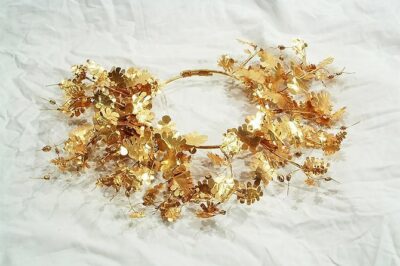
Kazanlak-Rose Valley-Valley of the Thracian Kings – private tour from Plovdiv
Read our review →Browse the lists this tour appears in