
Review · ROSE VALLEY & THRACIAN TOMBS
Plovdiv: Valley of the Thracian Kings Guided Day Trip
Thracian kings meet Roman mosaics in one day. I like the way this tour strings together UNESCO tombs with later eras in Stara Zagora, and I love that the small group size keeps the pace human. The trade-off is it is a long day with plenty of stops, so you will want comfortable shoes and patience in the car.
You get a hotel pickup at 08:00 from Plovdiv, an English-speaking guide, and a set of well-presented archaeological visits where the story is explained, not just pointed at. Entrance fees are included, but lunch is not, so plan on buying it on your own or letting your guide steer you to a good local option.
In This Review
- Key highlights worth your focus
- A 10-hour day from Plovdiv that moves, but makes sense
- Valley of the Thracian Kings in Kazanlak: hills, tombs, and royal power
- Stara Zagora’s Augusta Trayana: Roman streets you can almost walk into
- Museum of Religions in the Eski Mosque: faith in an old building
- Neolithic Dwellings Museum: stepping back to VII Millennium BC
- Price and logistics: why $116 can feel fair, if you use it right
- What it feels like with a great guide
- Who should book this tour, and who should think twice
- Should you book this Plovdiv Thracian kings day trip?
- FAQ
- What time does the tour start and how long does it last?
- How many people are in the group?
- Is lunch included?
- What is included in the price?
- Which stops are included during the day?
- What language is the guide?
- Can I cancel for free, and do I need to pay right away?
Key highlights worth your focus
- Valley of the Thracian Kings (UNESCO), with guided time at the major tombs and burial mounds tied to the 5th century BC
- Five tombs, one site story, told with customs and beliefs that help you read what you are seeing
- Augusta Trayana walk in Stara Zagora, including original-feeling Roman street atmosphere and a preserved Roman house with mosaics
- Museum of Religions in the Eski Mosque, using an old Balkans landmark to frame faith and space
- Neolithic Dwellings Museum, including two of the best-preserved prehistorical houses from the VII Millennium BC
- Small group, up to 8 people, which makes questions easy and timing feel less rushed
Rose Valley and the Thracian tombs, more of it:
- Kazanlak-Rose Valley-Valley of the Thracian Kings – private tour from Plovdiv★ 5.0 · 15 reviews
- Plovdiv: Perperikon, Haskovo and Thracian Tomb Full-Day Trip★ 4.9 · 11 reviews
- A Day trip to the Thracian Kings, The Valley of Roses & Buzludzha★ 5.0 · 6 reviews
- Thracian Valley wine tasting – private day tour from Plovdiv★ 5.0 · 4 reviews
A 10-hour day from Plovdiv that moves, but makes sense
This tour is built as a timeline in motion. You leave Plovdiv early, travel about 2 hours to the Valley of the Thracian Kings, and then keep layering eras as you head toward Stara Zagora. At the end, you ride back to Plovdiv, so the day stays structured even when it feels like you are hopping through centuries.
The pacing works best if you are okay with steady walking and museum time. You do not have long stretches of downtime, so I suggest you hydrate early and snack if you can, then save your real lunch break for later when lunch is on the table.
Small-group touring is a big deal here. With a limit of 8 participants, the guide can actually react to what you ask, and it is easier to keep track of the story while you are moving from tomb to museum.
Valley of the Thracian Kings in Kazanlak: hills, tombs, and royal power
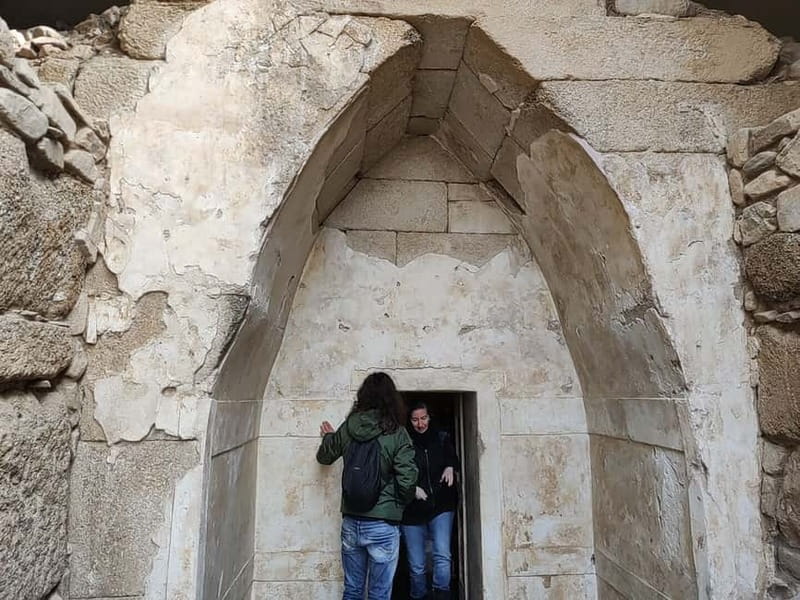
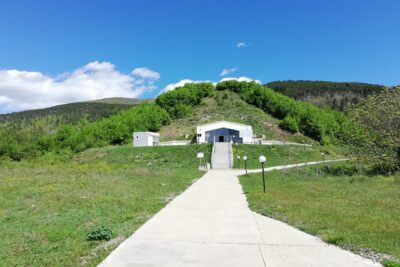
The headliner is the Valley of the Thracian Kings, a UNESCO World Heritage Site connected to Thracian burial mounds dating back to the 5th century BC. When you arrive, the setting is quietly beautiful, with forests and green slopes around the site, which helps you understand why these locations mattered beyond pure practicality.
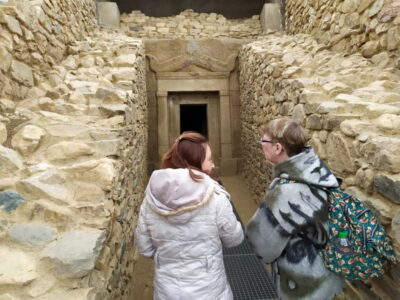
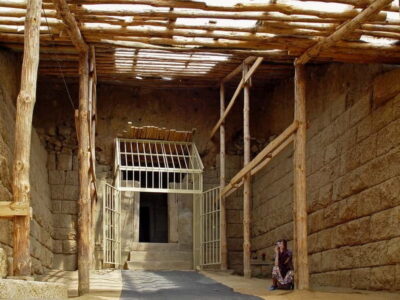
Your guide leads you through the main tombs, described as five tombs in the visit, and you get the kind of context that makes the architecture click. Without that framing, these tombs can feel like impressive stone. With it, you start to see them as part of a worldview: rulers and elites laid to rest with a sense of power, status, and belief.
One thing I really appreciate about this stop is that it is not just archaeology facts. The guide’s explanations focus on customs and beliefs, so you can connect what you see to why it was built that way. Past guests also highlighted how guides like Ivo and Lubo manage to make the material both clear and engaging, not dry.
A practical note: this is a “look up, look around, then listen” day. Bring steady energy, wear shoes with grip, and expect some uneven ground depending on how the tomb areas are laid out on the day.
Stara Zagora’s Augusta Trayana: Roman streets you can almost walk into
After the Kazanlak region stop, you transition toward Stara Zagora. Before museum time, you get a walk through the city center, where lunch is taken care of on your own. Since lunch is not included, I treat this as your cue to find something local, not a chain, and to refuel before the next round of history.
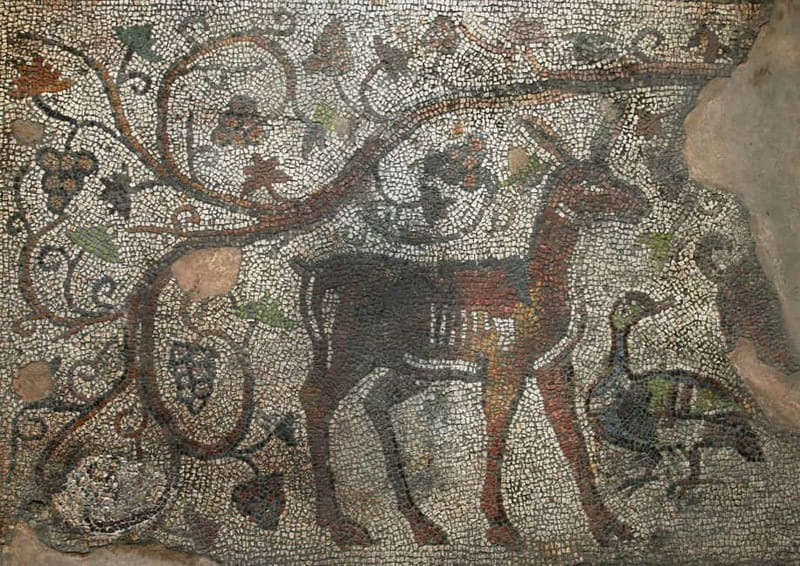
Then comes Augusta Trayana, founded in the 2nd century AD and tied to the Roman emperor Trajan. The tour focuses on how the city functioned during the Roman Empire, with attention to daily civic life. You walk on streets that preserve that old feel, and you get to see where the city council gathered for meetings.
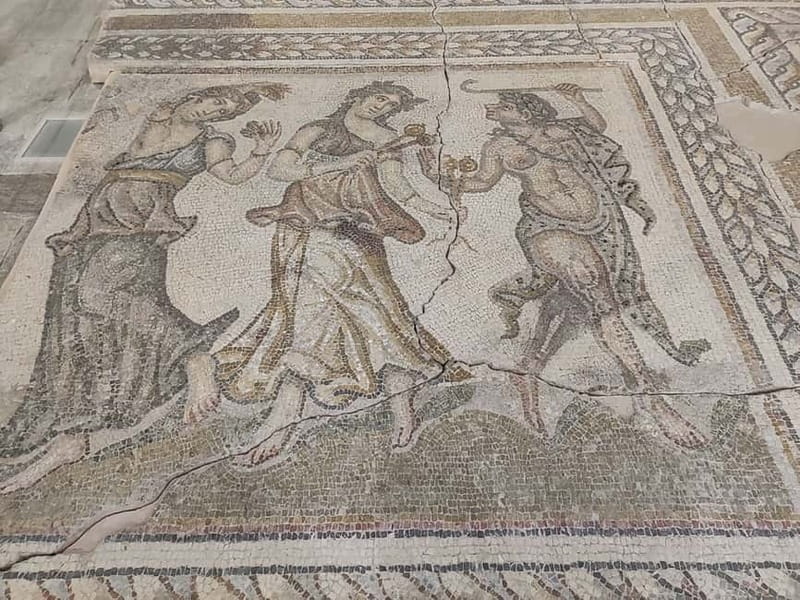
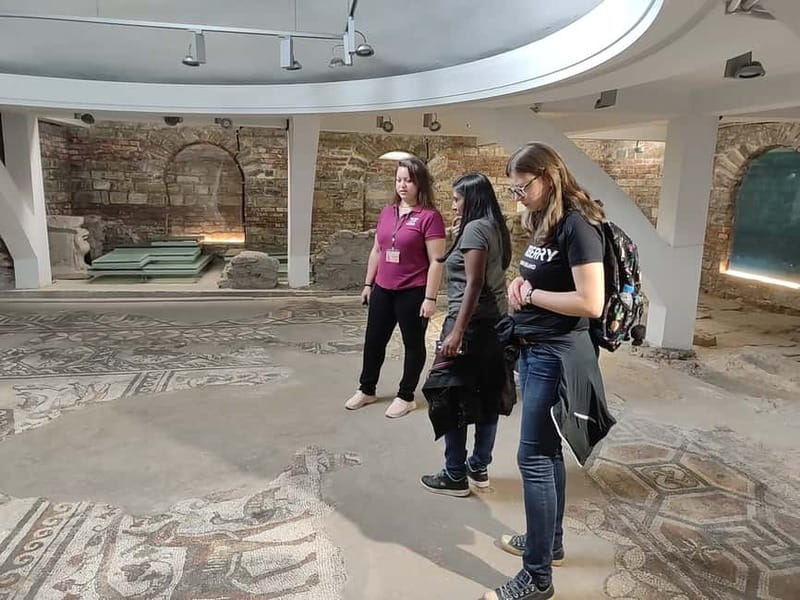
The best moment in this Roman segment is the preserved Roman house with very well-kept mosaics. This is the kind of stop where you can slow down mentally. A mosaic is not just decoration, it is a snapshot of wealth, taste, and craftsmanship. Seeing it in a preserved state helps you understand what the Roman home experience might have been like, beyond the “big empire” images.
From a comfort angle, this portion is usually easier than the tomb walk. You still need good shoes, but the route is more about streets and interpretive stops than climbing around a burial site.
Museum of Religions in the Eski Mosque: faith in an old building
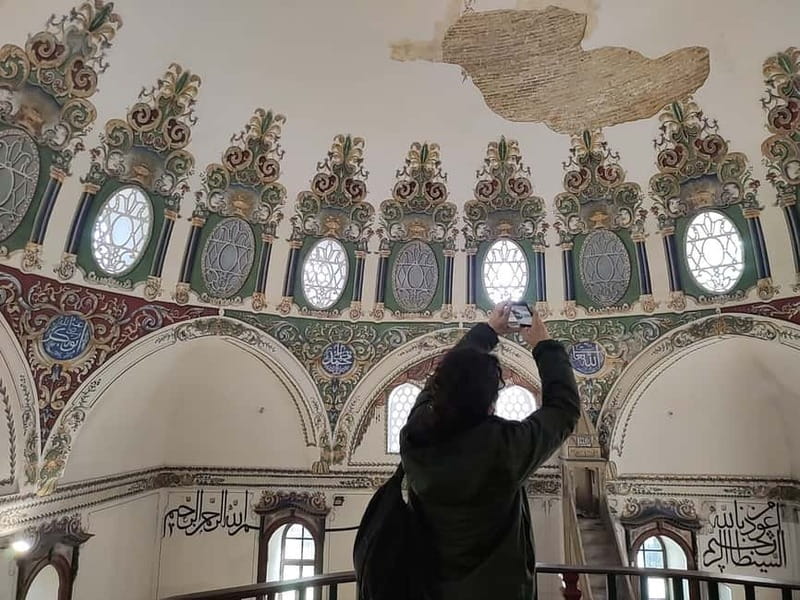
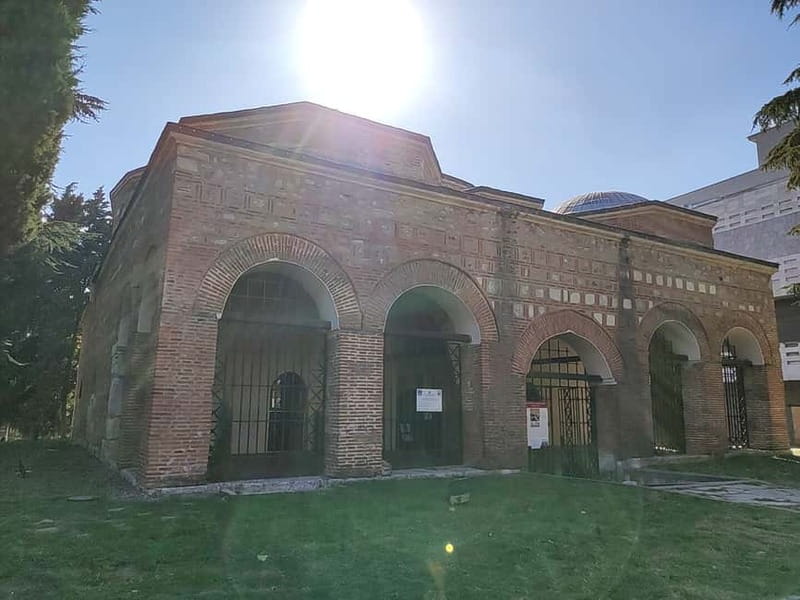
One of the more distinctive stops is the Museum of Religions, housed in the Eski Mosque dating to the early 15th century. Instead of treating the mosque as a backdrop, the experience connects the building itself to the theme of belief and community.
This is a smart change of pace after the classical Roman and Thracian material. You are still in history, but the angle shifts toward culture, worship spaces, and how societies represent faith in architecture. Even if you do not consider yourself a religious-history person, the setting gives the museum a grounded, human scale.
I like this stop because it gives your brain a break from kings and dates. You start thinking about how people lived, gathered, and organized their lives around belief, and you come away with a more rounded picture of the region.
Other Plovdiv days worth a look
- Private city walking tour of Plovdiv
★ 5.0 · 65 reviews - Plovdiv: Bachkovo Monastery, Asen Fortress, & Bridges Tour
★ 5.0 · 56 reviews - Plovdiv: Guided Walking Tour
★ 4.3 · 41 reviews
Neolithic Dwellings Museum: stepping back to VII Millennium BC
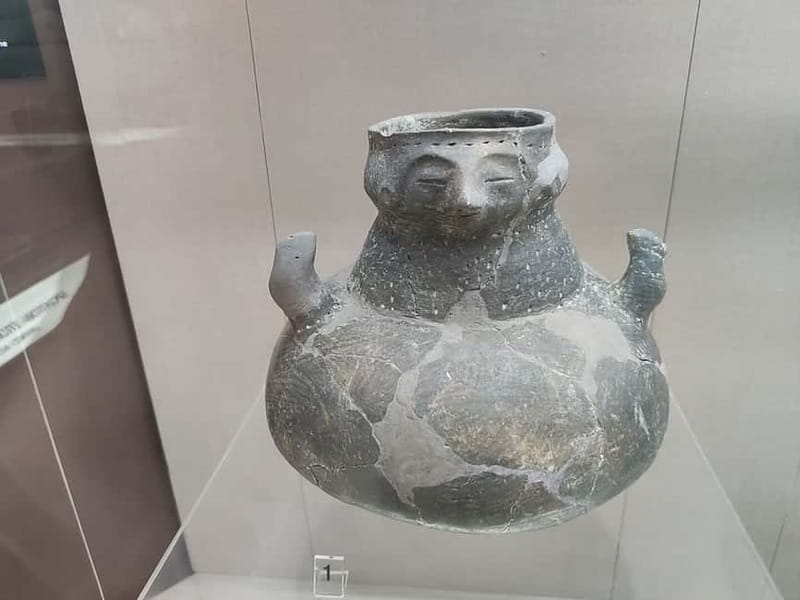
The final time jump is the most dramatic. In Stara Zagora, you visit the Neolithic Dwellings Museum, where you can see ruins of two houses from a much older settlement. These buildings are described as among the best-preserved prehistorical houses in Europe, and the exposition is designed to take you back to the VII Millennium BC.
Here is what makes this stop valuable for you. Neolithic sites can be hard to picture. A house is basic, so it can feel less exciting than a decorated tomb. But the guide does the important work, explaining who these people were and how they lived, so the houses stop being “old structures” and start becoming everyday shelter in a real community.
You also get an archaeological collection of objects tied to Stone Age culture and religion. That matters because the houses alone tell you about physical living. The objects help you understand belief systems, symbolism, and ritual life.
If you like learning how technology and daily life evolved, this museum often lands as a favorite. You walk away with a new respect for how much structure and meaning early communities built into their world, even without writing or the Roman kind of architecture.
Price and logistics: why $116 can feel fair, if you use it right
At $116 per person for a 10-hour guided day trip, you are paying for more than transport. The price includes hotel pickup and drop-off in Plovdiv, entrance fees, and a history and archaeology guide. That combination matters because major museums and heritage sites add up quickly, and self-planning between multiple locations is not always easy.
This tour is also geared for value in the way it bundles stops. You do not just get one big “wow” monument. You stack Thracian tombs, Roman civic life, a faith-focused museum, and a Neolithic settlement in one day. If you are in Plovdiv for a short time, it is a practical way to squeeze real variety out of one visit.
The main logistics consideration is the day length. If you get tired fast, or if long car rides drain you, this might feel heavy. Also, lunch is not included, so your day has one extra variable. The good news is guides often recommend a local place for you to try, and some past participants noted a stop for local food arranged by the guide.
One more balanced note, based on what I would watch for: some days and seasons can make towns feel gray and subdued. One past guest felt the city scenery was less dramatic than they expected, especially around certain Soviet-era building stretches. That does not change the sites themselves, but it does affect your mood during transit and breaks.
What it feels like with a great guide
This is one of those tours where the guide can make or break your experience. The guides connected to this activity are consistently described as passionate and fun, with strong command of Bulgarian history and archaeology.
Names you may hear in past experiences include Ivano, Lubo, Krasi, Iván, Yvan, Krasimir, and Ivo. While you cannot pick your guide, the pattern is clear: this is the kind of operation that hires people who can explain why a tomb matters and how a mosaic connects to daily life.
One small detail I think you should like: groups have commented on comfort features like a smooth ride and even cold drinks. Those are not core to the archaeology, but they make a long day more pleasant.
Who should book this tour, and who should think twice
Book it if you want a tightly guided history day that covers multiple eras without making you do the planning. It is especially suited to you if you like archaeological sites, value good explanations, and you want a small group experience rather than a big bus situation.
It also fits well if you are curious about how places can change meaning over time, from Thracian burial grounds to Roman civic centers to a museum housed inside a centuries-old mosque.
Consider thinking twice if you are hoping for a low-effort day with lots of scenery and free time. This is not a “wander at will” trip. It is structured, stops are many, and you will do some walking. Also, if you are very sensitive to gray urban stretches during transit, that could affect how you experience the middle part of the day.
Should you book this Plovdiv Thracian kings day trip?
Yes, if you want strong value from Plovdiv in a single day and you enjoy being taught as you go. The combination of Valley of the Thracian Kings, Stara Zagora’s Augusta Trayana, the Museum of Religions in the Eski Mosque, and the Neolithic Dwellings Museum gives you a rare sweep of time.
I would book it if you can handle a long day, pack for walking, and treat lunch as your only “not included” gap. Bring comfortable shoes, expect early pickup, and let the guide do what they are best at: turning tombs, mosaics, and houses into a story you can actually picture.
If that sounds like your kind of travel day, you will likely come away with more than photos. You will come away with connections.
FAQ
What time does the tour start and how long does it last?
You are picked up from your Plovdiv hotel at 08:00, and the tour lasts 10 hours.
How many people are in the group?
The group is limited to 8 participants.
Is lunch included?
No. Lunch is not included.
What is included in the price?
The tour includes hotel pickup and drop-off in Plovdiv, entrance fees, and a live English guide.
Which stops are included during the day?
You visit Kazanluk royal tomb, the Valley of the Thracian kings, Augusta Trayana, the Neolithic Dwellings Museum, and the Museum of Religions.
What language is the guide?
The live tour guide speaks English.
Can I cancel for free, and do I need to pay right away?
You can get a full refund with free cancellation up to 24 hours in advance. You can also reserve now & pay later, so you can book without paying today.
Added recently around Plovdiv
- Jewish Walking Tour of Plovdiv★ 5.0 · 1 review
- Plovdiv: Traditional Bulgarian Costume Photo Experience★ 5.0 · 1 review
- Walking tour of Plovdiv’s top attractions★ 5.0 · 1 review
- Asen’s Fortress Self-Guided★ 4.0 · 1 review
- Private 2-Day Horseback Riding in Rhodope Mountains from Plovdiv★ 5.0 · 1 review
- Private Day Trip From Plovdiv To Wine Cellars And Wine Tasting★ 5.0 · 1 review
- From Plovdiv: Musala Peak Full-Day Trekking Tour★ 5.0 · 1 review
Rose Valley & Thracian Tombs, compared.
Rose Valley Full-Day Tour (During Rose Festival)
Read our review →
Buzludzha Monument and The Rose Valley Day Tour From Sofia 13 hrs
Read our review →
Kazanlak-Rose Valley-Valley of the Thracian Kings – private tour from Plovdiv
Read our review →Browse the lists this tour appears in