
Review · WALKING TOURS
Bansko: 2-Hour Old Town Walking Tour
Bansko hides its real story in plain sight. In two hours, you’ll walk the 18th-century Old Town lanes, see the Holy Trinity Church murals, and learn why this mountain town turned into a ski destination. You also get a feel for the fortified house architecture that shaped daily life long before anyone came for snow.
What I liked most is how personal the guide makes the history. When Tsvetan is your guide, the facts come with humor, and questions are welcome instead of waved away. The second big win is the bilingual storytelling, with English and Bulgarian used to explain the town’s culture, including how local speech differs from standard Bulgarian.
The main catch is simple: it’s a walking tour. If you have limited mobility, this is not for you, and even casual mobility limits will make the pace tough.
In This Review
- Key moments you will not miss
- Meeting Under The Big Tree: A Clear Start In Old Bansko
- Walking The 18th-Century Fortified Old Town Streets
- Holy Trinity Church Murals: Local Art With Meaning
- How The Local Language Is Different From Bulgarian
- Granny’s Recipes: A Food Story You Can Taste
- Bansko’s Ski Beginnings, Plus The Walk To The New Pedestrian Street
- Price And Value: What $58 Per Group Up To 3 Actually Buys
- Practical Tips For A Comfortable 2-Hour Old Town Walk
- Should You Book This Bansko Old Town Walking Tour?
- FAQ
- How long is the Bansko 2-hour Old Town walking tour?
- Where is the meeting point?
- What languages does the live guide speak?
- Is this a private group tour?
- How much does the tour cost?
- What is included in the tour?
- Is hotel pickup and drop-off included?
- Does the tour run in bad weather, and is it suitable for limited mobility?
Key moments you will not miss
- Meeting under the big tree at Holy Trinity Church, then immediately getting your bearings
- 18th-century fortified houses and legend-filled corners of the Old Town
- Hand-painted murals at Holy Trinity Church, explained in plain terms
- A quick lesson on how local language differs from Bulgarian, heard through local examples
- Granny’s recipes as a path into family and food traditions
- How Bansko’s ski story began, ending at the newest pedestrian street
Further walking tours in Bansko:
- Sofia: Communist Walking Tour★ 4.9 · 1,106 reviews
- Sofia: City Monuments Guided Walking Tour with Audio Guide★ 4.5 · 825 reviews
- Communist Walking Tour of Sofia★ 5.0 · 690 reviews
- Sofia Highlights 2 Hour Sightseeing Walking Tour★ 5.0 · 442 reviews
Meeting Under The Big Tree: A Clear Start In Old Bansko
The tour begins at the main entrance of Holy Trinity Church, under the big tree in front. That is the kind of meeting point I love, because you do not waste time hunting in a grid of side streets. You can also use the church area to orient yourself, since it anchors your walk in the heart of town.
No hotel pickup is included, so you’ll want to plan to arrive on your own. This matters because the first minutes set the tone. If you arrive slightly early, you’ll have a bit of breathing room to settle shoes, check the weather, and get ready for a full 2 hours on foot.
The group is private, and the price is set per group up to 3 people. That means you can move at a comfortable pace and actually ask questions without the guide competing for time with a big crowd. It’s also a good setup if you want the tour to feel more like a local walk with a guide than a checklist sprint.
Plan to dress for real conditions. The tour runs rain or shine, so bring your usual weather cover if that’s how you travel. In winter, warm layers are a must. Comfortable clothes and shoes matter because you’ll be walking through historic streets, and your feet will remember if you cut corners here.
Walking The 18th-Century Fortified Old Town Streets
This is a straight-up Old Town walk through Bansko’s historical district, with a strong focus on how people lived in the 18th century. You’ll move through the parts of town that feel tucked away, with hidden corners and quieter lanes that help you understand why the Old Town developed the way it did.
The architecture is the star. You’ll learn about the fortified houses, the kind built for survival when life was less secure. You’ll also see how that design shaped everyday movement, where you’d gather, how you’d store essentials, and why certain details matter. Even if you are not a history person, this approach works because it ties buildings to human needs, not just dates.
Expect some legends and local stories woven into the walking route. That might sound like fluff, but it actually helps you remember what you’re seeing. A legend gives the walls and streets a reason to exist beyond being old. When the guide ties a story to a specific corner or façade, you end up with a mental map that sticks.
One small thing to consider: because the theme is the Old Town, you may cover uneven surfaces and tight turns. This is not the tour to do in brand-new shoes. If you’re sensible about footwear, you’ll be free to enjoy the sights instead of thinking about your ankles.
Holy Trinity Church Murals: Local Art With Meaning
At Holy Trinity Church, you’re not just dropping by a landmark. You’re starting there and then learning more about the hand-painted murals that decorate the church. The murals are described as hand-painted, which matters because it usually means the art carries layered detail and careful work.
The guide explains what you’re looking at in context, so it doesn’t turn into a quick photo stop. You’ll come away understanding how local religious art connects to culture and community identity. Even if you do not study icons or church history at home, you can still grasp the message because the guide keeps it approachable.
This stop also does something practical for your tour experience. It gives you an anchor point. After you’ve heard about the murals, the rest of the walk makes more sense. You’ll notice how art, faith, and community spaces influence what people valued, not just what they built.
If you love visual details, bring your phone ready for photos. If you hate photos, still look closely. The point is to train your eyes. A guided explanation helps you catch patterns and symbols you would otherwise miss.
How The Local Language Is Different From Bulgarian
One of the more interesting parts of the tour is the language lesson. You’ll learn how the local language differs from Bulgarian. The exact nature of the difference is not something you have to memorize, but the tour approach is. You’ll hear the idea explained, and you’ll pick up a sense that the town’s speech carries its own identity.
This is one of those topics that can easily become boring on a tour, but it works here because it’s not just academic. It’s tied to how people communicate and how culture travels through daily life. When a guide points out language differences in a living place, it feels real, not like a worksheet.
For you, this kind of language moment pays off immediately. You’ll likely recognize sounds or phrasing you hear later around town, whether you’re chatting at a café or ordering a meal. It also helps you understand why locals might sound different from what you expected.
Because the guide speaks English and Bulgarian, you can ask follow-up questions and get clarification. That matters if language is something you care about, or if you simply want to avoid the common tourist trap of nodding along without really understanding.
Other Bansko days worth a look
- Ski and Snowboard equipment rental in Bansko
★ 5.0 · 118 reviews - Bansko: Villa Victoria Thermal Pool Escape
★ 4.4 · 114 reviews - From Bansko: Horse Riding Experience
★ 4.2 · 70 reviews
Granny’s Recipes: A Food Story You Can Taste
You start a local cuisine adventure right here, through stories about granny’s recipes. The tour treats food as cultural memory, not just menu planning. You’ll hear about recipes passed from generation to generation, and that turns cuisine into a way to understand family life.
I like this approach because it connects the senses to history. You can look at old buildings and feel time passing, but food gives you something you can almost immediately imagine. It makes the past feel more personal. Instead of treating the 18th century like a museum label, you experience it as something that shaped what families cooked, shared, and celebrated.
During the walk, you’ll learn how recipes and cooking traditions reflect local tastes and local ingredients. Even if you do not eat on the tour, the stories should sharpen what you notice later when you order. You’ll be better at spotting what dishes have meaning and which ones are more about tourist convenience.
Practical tip: if you’re the kind of traveler who likes to eat soon after a tour, consider planning your next meal with your new recipe ideas in mind. The tour ends at a pedestrian street, which is usually a good setting to find dining options without having to fight traffic.
This section is especially valuable for food-first travelers. If history sometimes feels dry for you, this is the moment that keeps the whole tour from becoming purely architectural.
Bansko’s Ski Beginnings, Plus The Walk To The New Pedestrian Street
Even though the walk focuses on old Bansko, you also get the town’s transition story. You’ll learn about the first days of Bansko as a ski resort and how it reached the popularity it has today.
That’s a helpful angle because it explains why you’re standing in an Old Town that now sits beside modern winter tourism. Instead of treating skiing as a random “now” fact, the guide gives you the timeline logic. You start to see how a mountain community can evolve while still keeping its core identity.
Then you finish on the newest pedestrian street in town. Ending here is smart. It gives you a change of pace after the historic district. You can reorient, get a snack, and decide what kind of evening you want. It’s also a convenient end point for navigating onward without feeling stranded at the edge of town.
For me, the best part of including the ski story is balance. You do not just get the postcard past. You also understand how the present happened. That makes your time in Bansko feel less like two separate trips, Old Town for culture and slopes for fun.
Price And Value: What $58 Per Group Up To 3 Actually Buys
The price is listed as $58 per group up to 3 people, for a 2-hour private walking tour. Put simply, you’re paying for a guided Old Town experience where the focus stays on quality, not crowds.
So how is it good value? First, you get a local guide and a Bansko guide book included. Those details matter because you’re not only paying for conversation during the walk. You also leave with something you can use afterward to keep exploring on your own.
Second, the private group format changes the whole experience. Instead of trying to hear over everyone else, you can ask questions in real time. It’s a small thing, but it makes a big difference when the tour covers topics like language differences and recipe traditions.
Third, you’re getting a guided explanation of multiple “high-attention” sights: fortified house architecture, Holy Trinity Church murals, and the town’s ski history. That’s a lot to fit into two hours without feeling rushed, especially when a guide helps you connect the dots.
If you’re traveling solo, consider whether your group size works for you. With the price framed per group up to 3, the best value usually comes when you share with a friend or travel partner.
My advice: if Old Town streets and cultural stories are your thing, this price feels reasonable. If you mainly want scenic wandering with no structured history, you might prefer free walking time. This tour is for people who like meaning behind what they’re seeing.
Practical Tips For A Comfortable 2-Hour Old Town Walk
To enjoy this tour, focus on comfort and simple weather readiness. Bring comfortable shoes you trust on uneven pavement. It’s a two-hour walking route through a historic district, so you’ll want your feet to feel calm.
Bring water. The tour notes that there will be opportunities to fill your bottle along the way. That’s great because hydration keeps you walking and listening without that sluggish “I’m done” feeling.
When the weather is hot, pack sunscreen and a hat. And yes, the tour takes place rain or shine. In winter days, dress warm, because you’ll be outside for the full duration.
Also note the mobility limitation. The tour is not recommended for people with limited mobility. If you or someone in your group has mobility challenges, it’s worth looking for a different option that better matches your pace.
One more practical thought: if you’re the type who likes photos, remember that church art and murals can be hard to capture well in changing light. Take your time looking first, then shoot. You’ll enjoy it more, and your photos will look better too.
Finally, come with curiosity. The guide covers language differences and recipe stories, not just stone and dates. If you’re game for those cultural threads, the tour becomes a memorable walk rather than a quick stop-and-go sightseeing session.
Should You Book This Bansko Old Town Walking Tour?
Book it if you want a two-hour Old Town experience that connects architecture, faith, language, and food traditions. This is especially worth it when you value stories, not just photos. With a guide like Tsvetan, the tone tends to be both smart and fun, and you’ll likely leave with a clearer feel for how Bansko became the place people visit today.
Skip or rethink it if you need a low-walking or highly accessible option. This tour is not recommended for limited mobility, and the route is built for feet, not wheelchairs.
If you’re traveling in a small group, the $58 per group up to 3 format can be a strong way to get a private, guided experience without paying full private-guide rates meant for larger parties. And if you like ending your walk with a practical place to head next, the finish on the newest pedestrian street is a nice bonus.
If you’re in Bansko, this tour is a solid way to understand the town beyond the ski slopes, and you’ll feel that difference every time you notice a street detail afterward.
FAQ
How long is the Bansko 2-hour Old Town walking tour?
The tour lasts 2 hours.
Where is the meeting point?
Meet under the big tree in front of the main entrance of the Holy Trinity Church.
What languages does the live guide speak?
The guide speaks English and Bulgarian.
Is this a private group tour?
Yes, it is a private group tour.
How much does the tour cost?
The price is $58 per group, up to 3 people.
What is included in the tour?
The tour includes a local guide and a Bansko guide book.
Is hotel pickup and drop-off included?
No, hotel pickup and drop-off are not included.
Does the tour run in bad weather, and is it suitable for limited mobility?
The tour takes place rain or shine. It is not recommended for people with limited mobility.
Added recently around Bansko
- Bansko: Rare Bulgarian Pets Experience★ 5.0 · 1 review
- Audio Guide for All Bansko & Pirin Sights, Attractions or Experiences★ 3.0 · 1 review
- Guided Rila Monastery Tour from Bansko★ 4.0 · 1 review
- Ski and Snowboard equipment rental in Bansko★ 5.0 · 2 reviews
- Bansko: Bulgarian Folklore Show 4-Course Meal Entertainment★ 5.0 · 2 reviews
- Spa day pass at Pulse Therme Bansko★ 5.0 · 2 reviews
- Bansko: Snowshoe and Poles Rental★ 5.0 · 2 reviews
Walking Tours, compared.
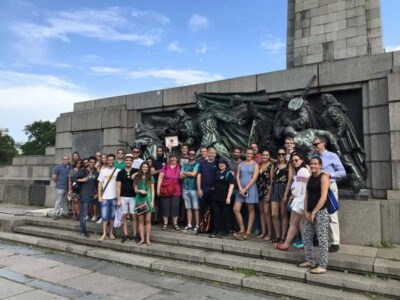
City Monuments Guided Walking Tour with Audio Guide
Read our review →
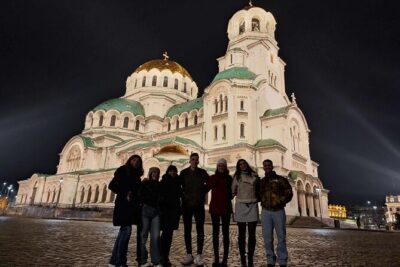
Sofia Highlights 2 Hour Sightseeing Walking Tour
Read our review →
Seven Rila Lakes Snowshoe Walk & Thermal Spring Pools
Read our review →Browse the lists this tour appears in