
Review · FOOD & DRINK
Food Walk Plovdiv: Bulgarian Food and Culture Tour
Plovdiv tastes better in a small group. This 3 hour Food Walk turns a simple snack stop into a guided stroll through everyday Bulgarian food culture, starting at Unification Square and weaving through a local market plus a restaurant meal. I like that you get a proper honey degustation instead of just a quick sample, and I also like the way the guide connects flavors to city life with clear, friendly explanations. One thing to consider is that the lineup includes foods like nuts, sausages, and dairy pastries, so you will want to share any food allergies or dietary needs before you go.
If you have been in Plovdiv less than a day, this is a smart way to get oriented fast. You walk, you taste, and you learn what to order later when you are on your own. You also get a real cap at 10 people, which keeps the whole experience relaxed instead of chaotic.
In This Review
- Key highlights that make this tour worth your time
- Why This Food Walk Beats a Random Plovdiv Snack Route
- Unification Square Meeting Point, East Side Orientation, and Start Time
- The Market Stop: Where the Tasting Turns Into Food Culture
- Honey Degustation: A Sweet Lesson in Bulgarian Ingredients
- The Food Lineup: Banitsa, Mekitsa, Pirozhka, and More
- Banitsa
- Mekitsa
- Pirozhka
- Sausages and spreads
- The Restaurant Portion: Where Savory Meets Stories
- From Airyan to Halva: Finishing Strong With Tea, Fruit, and Nuts
- How 3 Hours Works on Foot, and Why the Pace Feels Right
- Price and Value: What $58 Includes (and Why It Adds Up)
- Food Allergies and Dietary Requirements: Tell Them Early
- Quick Practical Tips So the Experience Stays Fun
- Should You Book Food Walk Plovdiv?
- FAQ
- What is the duration of the Food Walk Plovdiv?
- Where is the meeting point for the tour?
- When does this tour run?
- How big is the group?
- Is the tour guide licensed and will it be in English?
- What foods and tastes are included in the price?
- Is there a honey tasting?
- Is the tour wheelchair accessible?
- Can I cancel or change my plans after booking?
Key highlights that make this tour worth your time
- Market tasting the local way, including a farmer focused stop and guided explanations along the stalls
- Full local honey degustation, built into the experience so you taste it properly
- A small group cap of 10, which helps you ask questions and move at an easy pace
- A set food lineup that is mostly hard to order blindly, from banitsa to mekitsa and pirozhka
- A professional licensed English guide, often praised for clear storytelling and lively conversation
Further Walking Tours in Plovdiv
- Private city walking tour of Plovdiv★ 5.0 · 65 reviews
- Plovdiv: Guided Walking Tour★ 4.3 · 41 reviews
- Food Walk: Bulgarian Food and Culture Tour in Plovdiv★ 5.0 · 35 reviews
- Plovdiv guided walking tour★ 5.0 · 31 reviews
Why This Food Walk Beats a Random Plovdiv Snack Route
Food tours can go two ways. Either you get a long list of bites, or you get context that makes the bites make sense. This one leans hard into the second option.
You are not just tasting. You are learning why Plovdiv eats the way it does, what people look for at markets, and how the city’s food habits connect to daily life. The tour includes market time plus a restaurant stop, so you see both the ingredients and the final form.
In the reviews, the guides were repeatedly singled out for being warm and well prepared. Daniel shows up often, and people mention his English as excellent, plus his ability to mix food with city history and straight talking. That matters because the tastings feel more than random sampling when you understand what you are eating and why.
The group size also changes the feel. With a cap of 10, you get faster answers and less waiting around for the whole crew. That makes a big difference with tasting tours, where timing matters.
Unification Square Meeting Point, East Side Orientation, and Start Time
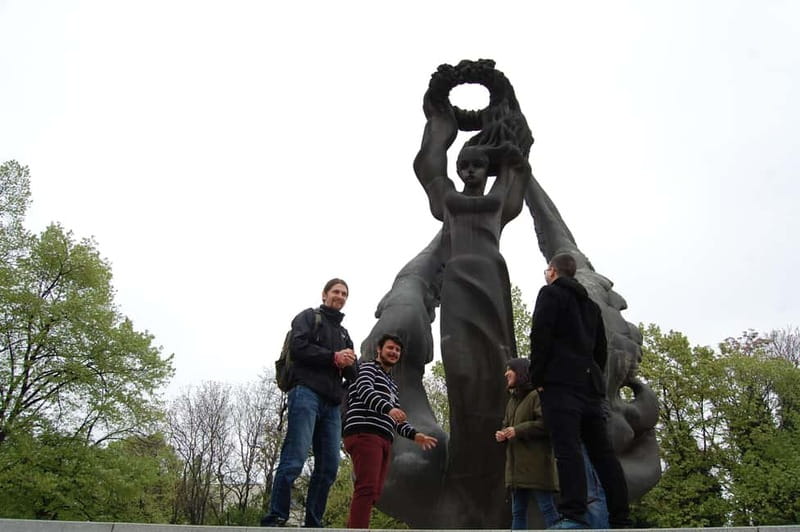
Your tour starts at 10 o’clock on Friday, Saturday, and Sunday. The meeting spot is described as being at Unification Square, with the guide waiting between the statue and the Archaeological Museum, looking to the east.
That east side detail is useful. Plovdiv has multiple landmark clusters around the square, and it is easy to drift if you arrive late. I suggest you get there a few minutes early and do one quick scan for the museum building edge and the statue position, then stand where the guide would logically be. If you are the type who hates hunting for meeting points, this little “look to the east” clue is your friend.
Also plan for one practical thing: bring hand sanitizer or tissues. You will be handling food, napkins might not be your first thought, and it is easier to stay comfortable when you have basic supplies in your day bag.
The Market Stop: Where the Tasting Turns Into Food Culture
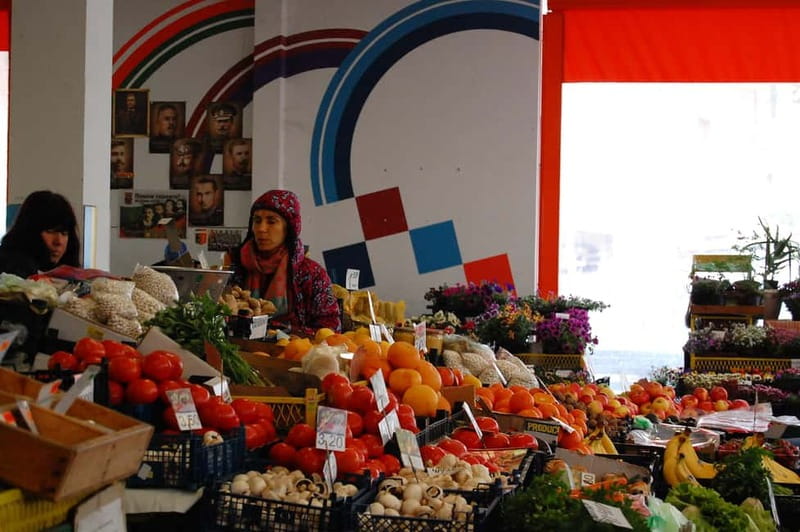
The heart of the tour is the local market experience, and it is framed as a unique way to explore. You get to see how people shop, what looks fresh, and how herbs and staples show up in everyday cooking.
This is not a silent stroll. The guide points out ingredients and connects them to what you are about to taste. That gives you a better instinct for Bulgarian grocery culture. When you later shop or eat on your own, you are not working from zero.
One detail that stood out in feedback is the emphasis on market flavors. People highlighted things like herbs and sharena sol during market tasting. Sharena sol is a classic Bulgarian mix, usually built from chopped vegetables and seasonings, and it is the kind of condiment that can taste simple but opens your eyes once you know what to look for.
Another nice touch is that the tour can feel playful. At least one group described a small quiz style interaction about food products and facts. Even if that is not every day, the general vibe in the market part is interactive, not lecture heavy.
And yes, you get a big moment that centers on sweetness: local honey degustation. The tour highlights promise a full honey tasting, and it is a great fit for a market setting because honey is both an ingredient and a product people take seriously. If you like regional sweets, this portion is worth paying attention to.
Honey Degustation: A Sweet Lesson in Bulgarian Ingredients
A honey tasting is easy to underestimate. But when it is built into a structured tour, it becomes more than dessert.
During this stop, you taste honey as part of the experience, not as an afterthought. That helps you notice texture, flavor direction, and how honey works alongside other foods you will eat later on the walk.
It also gives you a souvenir style memory that is tied to something real you encountered in Plovdiv. Instead of buying something generic, you know what local honey tastes like and how it fits into meals in the region.
If you have a sweet tooth, you will probably feel like this stop hits at the right time. If you do not, it still works because it stays anchored to the cultural theme of ingredients you see and taste in context.
Further food tours in Plovdiv:
- Thracian Valley wine tasting – private day tour from Plovdiv
★ 5.0 · 4 reviews - Plovdiv Exquisite Wine Tasting
★ 5.0 · 2 reviews - Private Day Trip From Plovdiv To Wine Cellars And Wine Tasting
★ 5.0 · 1 review
The Food Lineup: Banitsa, Mekitsa, Pirozhka, and More
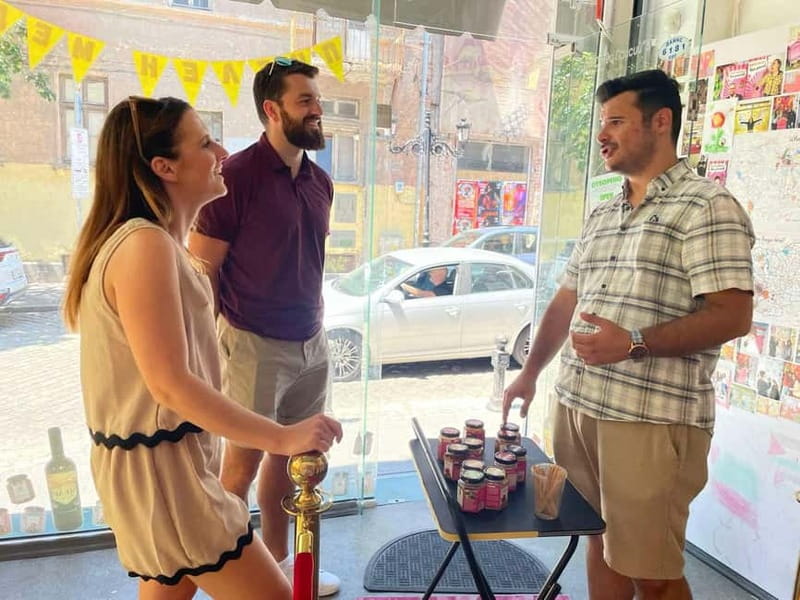
This tour earns its keep by serving a lineup that covers both savory pastries and classic snack foods. You are not left to guess what you can order at a restaurant.
Here are the foods included in the tasting plan:
- Banitsa
- Mekitsa
- Pirozhka
- Halva
- Seasonal local herbal tea
- Airyan
- Fresh fruits
- Nuts
- Traditional sausages
- Bulgarian spreads
On top of the listed items, some groups mention extra favorites from the stops. For example, people talked about tasting lyutenitsa with mekitsa and also enjoying a smoky eggplant dip like kyopolou. Even if your specific lineup shifts slightly by season and availability, the overall idea is consistent: you get a range that shows different textures and flavor styles across Bulgarian snacks.
Banitsa
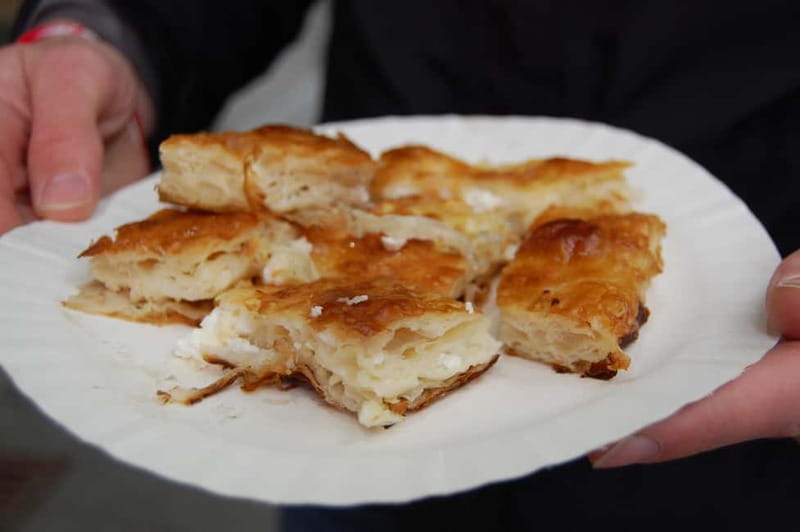
Banitsa is one of Bulgaria’s best known comfort foods, usually built as a pastry with layers and a savory filling. On this tour, it is part of the core tastings, and it works as a gateway food. If you have never had it, you get a clear first impression quickly.
Mekitsa
Mekitsa is another classic, often recognized as a fried dough snack. People who loved the tour specifically called out mekitsa paired with lyutenitsa. That pairing matters because lyutenitsa brings a tangy, roasted element, and it helps explain why simple fried foods can feel deeply satisfying here.
Pirozhka
Pirozhka is a filled pastry format, and it is a great “grab and learn” item. It gives you a sense of the Bulgarian approach to handheld snacks, and it keeps the tasting going without slowing the walking pace too much.
Sausages and spreads
The tour includes traditional sausages and Bulgarian spreads. That is important because it shifts the food balance from pastries to flavors you might also want when you order a simple plate later. Spreads are especially useful for travel learning, because you can identify them again on menus and in markets.
The Restaurant Portion: Where Savory Meets Stories
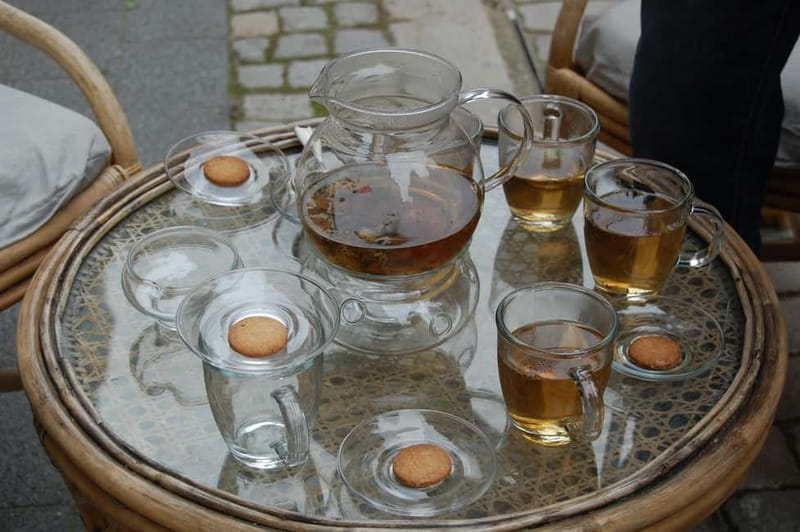
The itinerary includes a local restaurant visit after the market part. This is where your tasting experience stops being a series of snacks and turns into an actual meal moment with context.
That is also when the guide’s storytelling really pays off. Food is cultural history you can chew. When you are sitting and tasting, the explanations land better, because you can match the story to what is on the table.
From the reviews, Daniel stood out for mixing food with city background. People mentioned he was charming and that conversation flowed throughout the tour. That kind of guide energy is not fluff. It helps you ask questions while you are still in “learning mode,” instead of saving questions for later when the day is already moving.
From Airyan to Halva: Finishing Strong With Tea, Fruit, and Nuts
After the savory items, the tour balances things out with drinks and sweet finishes.
You are included in the tasting plan for:
- Airyan, a yogurt based drink style you will find across the region
- Seasonal local herbal tea
- Fresh fruits
- Nuts
- Halva
Airyan is a smart inclusion. It is a cooling counterpoint to fried and pastry heavy bites. You also get a sense of how Bulgarian meals use dairy and fermented flavors as everyday refreshers.
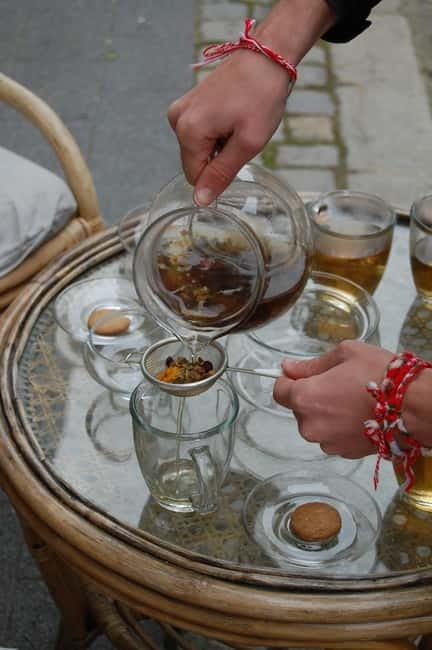
Herbal tea keeps the tone local and gentle. It also feels fitting after honey tasting, because both can be fragrant and floral.
Halva and honey together give you a real look at Bulgarian sweetness. Halva is a classic treat, and it pairs well with tea, so you finish the tour feeling like you ate something memorable, not just calorie heavy.
And yes, nuts are included. If you have nut allergies, treat this as a serious note, not a checkbox. Tell the guide in advance, and confirm what is safe for you right at the start.
How 3 Hours Works on Foot, and Why the Pace Feels Right
The tour is scheduled for 3 hours, and the small group size makes that duration realistic. The route includes walking between key areas, plus time at the market and at a restaurant.
One practical detail from feedback is that at least one run felt closer to 2.5 hours. That is good news if you prefer tours that do not drag. Still, I would plan to be fully present for the full slot, especially because tastings take a few extra minutes when you actually stop to talk and ask questions.
This is a morning oriented experience. If you want the best appetite control, skip breakfast or keep it light. The tour guidance explicitly suggests you might want to skip breakfast, and it makes sense. You will be tasting multiple items plus drinks.
Who should you book for? Great fit if:
- You are in Plovdiv for the first time and want food plus orientation
- You like walking tours but want food to justify the time
- You want a guided setup instead of guessing what to order
- You prefer smaller groups where you can talk to the guide
Price and Value: What $58 Includes (and Why It Adds Up)
At $58 per person for a 3 hour guided experience, the key value is that the tasting food is included. You are not paying extra for each bite, and you get enough variety that it would be hard to recreate solo without spending time and guesswork.
The included foods list is the real reason the price feels fair:
- multiple savory pastries (banitsa, mekitsa, pirozhka)
- halva plus honey tasting
- drinks (herbal tea and Airyan)
- fruit, nuts, spreads, and traditional sausages
This becomes a “try a lot, waste less” scenario. Instead of spending the day bouncing between places and paying individually, you get one focused plan. Plus, you get a professional licensed local guide for the entire experience, which means you also walk away with better restaurant instincts for the rest of your stay.
If you like food, the cost is basically covering the guided route and the tasting menu. That is usually the sweet spot for travelers who want local flavors without spending your whole budget on eating.
Food Allergies and Dietary Requirements: Tell Them Early
The tour explicitly asks you to provide information about known food allergies and whether you are vegetarian or vegan, plus any other dietary requirements.
That is exactly what you should do before booking. The included list contains common allergy triggers like nuts and dairy based items (including Airyan). Pastries can also include dairy, and sausages are obviously not vegetarian.
What I recommend for peace of mind:
- Send your allergy and diet notes when you book
- Keep your expectations realistic about what can be swapped, since the tour plan is built around specific included tastings
- If you have severe allergies, consider carrying your own safety plan and confirming details in person at the start
A food walk can be fantastic, but only if you start with clear information. This tour gives you the chance to do that up front.
Quick Practical Tips So the Experience Stays Fun
You do not need much prep, but a few things make the day easier.
- Skip breakfast or go light. You will eat multiple items, so full meal energy helps but heavy breakfast kills the experience.
- Bring hand sanitizer or tissues. Simple, but it keeps things comfortable.
- Wear comfortable walking shoes. You are on foot for a guided route.
- Plan to arrive a few minutes early at Unification Square so you do not stress about the statue and museum alignment.
One more tip: go in with a curious mindset. The best part is not just eating. It is learning what each item represents, from market ingredients to restaurant staples.
Should You Book Food Walk Plovdiv?
Book it if you want a simple plan that mixes Plovdiv sightseeing and practical eating. The combo of small group size, a professional English speaking guide, a market stop, and an included tasting lineup makes this a strong choice for first timers. It is also ideal if you are the type who likes to come home with specific food memories, like honey and banitsa, not just vague impressions.
Skip or rethink it if:
- you have complex dietary needs and want a fully customized menu
- you hate tasting portions and would rather do one sit down meal only
- you cannot manage a food forward morning (the tour hints you may want to skip breakfast)
Overall, this is a good value food experience. For $58, you get a guided walk, a structured set of tastings, and a local perspective you can use when you plan your next meal.
FAQ
What is the duration of the Food Walk Plovdiv?
It lasts 3 hours.
Where is the meeting point for the tour?
The guide waits between the statue and the Archaeological Museum, looking to the East, at Unification Square.
When does this tour run?
It runs every Friday, Saturday, and Sunday, starting at 10 o’clock.
How big is the group?
The group is limited to a maximum of 10 participants.
Is the tour guide licensed and will it be in English?
Yes. The tour includes a professional licensed local tour guide, and the tour is in English.
What foods and tastes are included in the price?
All tastes are included. The listed items are banitsa, seasonal local herbal tea, airyan, mekitsa, pirozhka, halva, fresh fruits, nuts, traditional sausages, and Bulgarian spreads.
Is there a honey tasting?
Yes. The tour includes a full local honey degustation.
Is the tour wheelchair accessible?
Yes, it is wheelchair accessible.
Can I cancel or change my plans after booking?
The activity offers free cancellation, with cancellation up to 24 hours in advance for a full refund. It also offers reserve now and pay later, so you can book without paying today.
Where to Eat around Plovdiv
Added recently around Plovdiv
- Jewish Walking Tour of Plovdiv★ 5.0 · 1 review
- Plovdiv: Traditional Bulgarian Costume Photo Experience★ 5.0 · 1 review
- Walking tour of Plovdiv’s top attractions★ 5.0 · 1 review
- Asen’s Fortress Self-Guided★ 4.0 · 1 review
- Private 2-Day Horseback Riding in Rhodope Mountains from Plovdiv★ 5.0 · 1 review
- Private Day Trip From Plovdiv To Wine Cellars And Wine Tasting★ 5.0 · 1 review
- From Plovdiv: Musala Peak Full-Day Trekking Tour★ 5.0 · 1 review
Food & Drink, compared.
Special History And Wine Tour including Wine Tasting
Read our review →
Sofia Afternoon Walking Tour with Wine and Food Tasting
Read our review →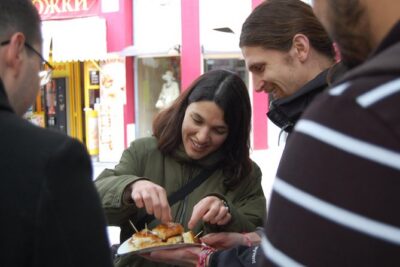
Food Walk: Bulgarian Food and Culture Tour in Plovdiv
Read our review →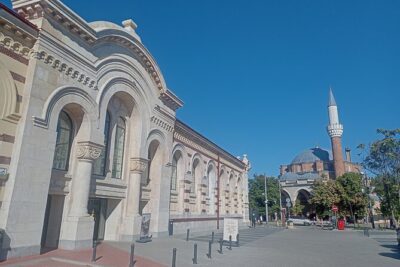
Sofia Food & Tasting Tour with Communist-Era Tram Ride
Read our review →Browse the lists this tour appears in