
Review · ROSE VALLEY & THRACIAN TOMBS
Valley of the Thracian Kings and Augusta Trayana Tour
Thracian kings and Roman streets in one long day. This tour is interesting because it links UNESCO-era tombs with Roman urban life, then keeps rewinding time in Stara Zagora’s layers of religion and prehistory. I especially like the small group size (up to 8 people) and the way the day is paced for history fans, with a guide who knows how to explain what you are seeing. If you end up with Ivaylo, his teacher-like energy adds a lot to the storytelling.
Two stand-out parts for me are the Valley of the Thracian Kings visit (with the UNESCO tombs as the big centerpiece) and the Museum of Religions stop, where multiple faith layers sit on top of each other. One drawback to consider: this is a long day (about 10 hours 30 minutes) with several walking blocks, and lunch is not included, so you will need to plan your own meal.
In This Review
- Key highlights you will actually feel during the day
- A 10 hours 30 minutes day from Plovdiv, built for comfort and timing
- Valley of the Thracian Kings: UNESCO tombs and 5th century BC power
- One practical consideration for this stop
- Stara Zagora and Augusta Trayana: Roman streets, city council traces, and a real lunch window
- Museum of Religions in Eski Mosque: how layers of faith show up in one building
- Neolithic Dwellings Museum: two houses that make VII millennium BC feel real
- Price, admissions, and where the value shows up
- Who should book this tour, and who may want a different plan
- Practical tips to make the day smoother
- Should you book this tour?
- FAQ
- What time does the tour start?
- Where is the tour located?
- How long is the tour?
- Is pickup from my hotel included?
- What is included in the tour price?
- Is lunch included?
- How many people are on the tour?
- What if the weather is bad?
- Is cancellation free?
Key highlights you will actually feel during the day
- UNESCO Thracian tombs at the Valley of the Thracian Kings, tied to burial culture from the 5th century BC
- Stara Zagora on foot, including the Augusta Trayana forum area and Roman-era street traces
- Museum of Religions inside Eski Mosque, showing how Christian, Ottoman, and later Orthodox art influences overlap
- Neolithic Dwellings Museum with two well-preserved houses aimed at life from the VII millennium BC
- Limited group size up to 8, which makes questions and slower looking easier
- Admissions covered for most stops, so you can focus on the sites instead of ticket math
Rose Valley and the Thracian tombs, more of it:
- Plovdiv: Valley of the Thracian Kings Guided Day Trip★ 4.9 · 25 reviews
- Kazanlak-Rose Valley-Valley of the Thracian Kings – private tour from Plovdiv★ 5.0 · 15 reviews
- Plovdiv: Perperikon, Haskovo and Thracian Tomb Full-Day Trip★ 4.9 · 11 reviews
- A Day trip to the Thracian Kings, The Valley of Roses & Buzludzha★ 5.0 · 6 reviews
A 10 hours 30 minutes day from Plovdiv, built for comfort and timing
This is a one-day, full-circuit tour that starts early. You meet at 8:00 am for pickup from your hotel in Plovdiv, then you ride in an air-conditioned vehicle to the first site. Plan on about 2 hours of driving each direction before and after the main Thracian visit, plus site time and city walking in Stara Zagora.
What works well here is the structure. You do the big UNESCO priority first, while you still have energy and the morning light is often kinder for viewing landscapes and tomb exteriors. Then the rest of the day shifts into smaller, more varied stops: Roman streets, a layered religious museum, and finally a Neolithic setting that feels like time travel without leaving Bulgaria.
Also note the logistics that matter for your comfort: the tour is capped at 8 travelers, and that usually means less time waiting around and more chance to hear details from the guide. The tour uses a mobile ticket, which helps once you are on the go.
Valley of the Thracian Kings: UNESCO tombs and 5th century BC power
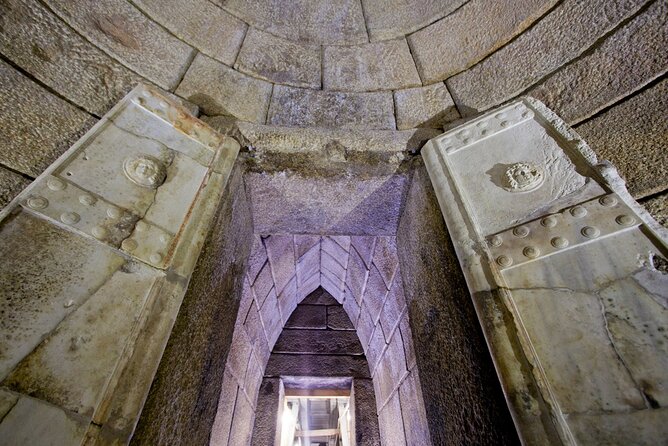
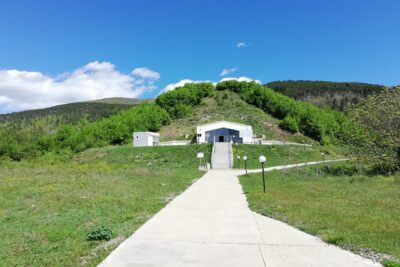
The day’s first anchor is the Valley of the Thracian Kings, a UNESCO World Heritage Site known for Thracian tombs and burial mounds dating back to the 5th century BC. On this tour, you get a long enough time block to actually study what the place is trying to communicate, not just rush past stone.
If you want to get more out of the visit, focus on the logic of a burial landscape. These weren’t random graves. The valley is designed around the idea of status and memory, where tombs connect to a political world that valued display, ritual, and lasting presence. You will see Thracian burial features that help explain why later cultures were still interested in the Thracians as a symbol of the region’s deep past.
Your guide leads the on-site tour, and the value here is interpretation. You are not just looking at a site. You are being guided through the “why” behind the architecture and the tomb concept, which is exactly what makes a UNESCO site feel less like a photo stop and more like a lesson you can carry home.
A bonus detail: the admission ticket here is free on this tour, so your cost stays simple. The stop is listed for about 5 hours, which is a lot, but it also signals that you are meant to slow down.
One practical consideration for this stop
This is outdoors and time-based, so good weather matters. If the day is shaky, you may feel it more here than later in museums. Wear comfortable walking shoes and keep water in mind.
Stara Zagora and Augusta Trayana: Roman streets, city council traces, and a real lunch window
After the Thracian area, you head toward Stara Zagora. Before you start exploring the archaeology side, you get time for a walk in the city center and a lunch break. This tour does not include lunch, so you will need to choose what fits your preferences and energy level.
That detail matters. You are in Stara Zagora for a few hours, and if you pick a meal that is too long or too complicated, it can steal time from the more interesting parts. I like treating lunch here as fuel plus a quick chance to reset your pace before the walking begins.
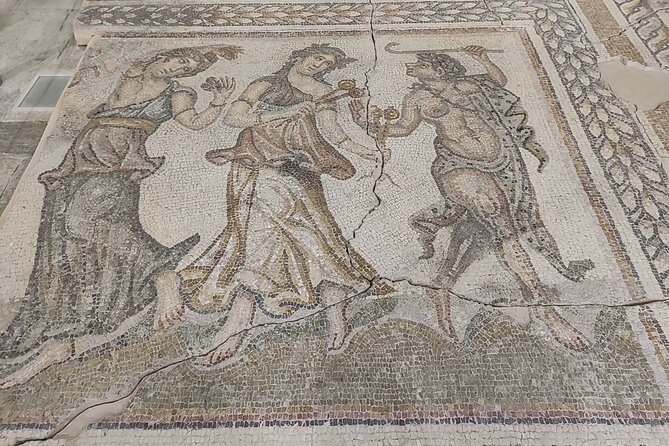
Then you focus on Antique Forum Augusta Trayana. Augusta Trayana was founded in the 2nd century AD and became a major hub for trade and culture. It is named after Roman emperor Trajan, and you walk on original street traces from the Roman period. One of the most fun things on this stop is the idea that you can see where civic life happened, including references to where the city council gathered for meetings.
This is a good moment to shift your mindset from burial culture to urban life. The Thracian valley shows power after death. The Roman forum and streets show how power worked during daily life, through administration, markets, and public spaces.
Admission for this stop is included, and the time is around 3 hours, which feels right for city wandering without turning it into a marathon.
Other Plovdiv days worth a look
- Private city walking tour of Plovdiv
★ 5.0 · 65 reviews - Plovdiv: Bachkovo Monastery, Asen Fortress, & Bridges Tour
★ 5.0 · 56 reviews - Plovdiv: Guided Walking Tour
★ 4.3 · 41 reviews
Museum of Religions in Eski Mosque: how layers of faith show up in one building
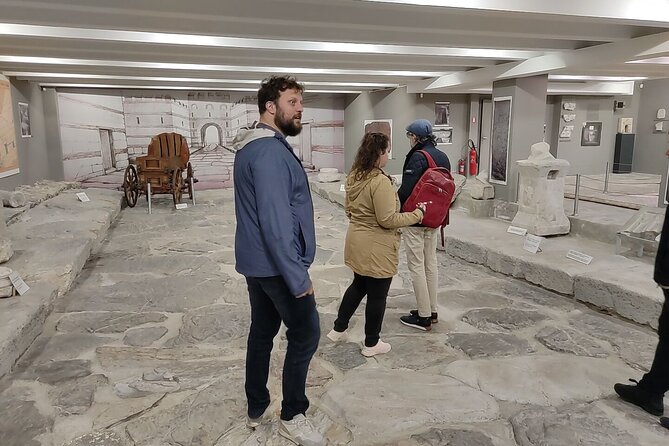
Next comes one of the most distinctive stops on the day: the Architectural complex “Museum of religions” in Eski Mosque. This place is early XV century, and it matters because it survived destructive events tied to the Russian-Ottoman war in 1877. That survival alone already makes it special, but the bigger point is what is layered underneath and around it.
Here is the kind of detail that makes this stop worth your time:
- The mosque building includes beautiful decoration, with some secret paintings using an Orthodox Muslim style.
- The mosque was constructed on top of an X-century Christian church.
- That church, in turn, was built on top of an ancient Thracian temple.
So you are not just walking into a museum. You are walking into a physical map of how cultures reused sacred space across centuries. The guide on this tour typically helps you connect the dots, which makes the “layers” concept more than a catchy idea.
This stop is about 30 minutes, with admission included. With only half an hour, the key is to be selective: look at the building’s interior decoration and pay attention to the explanation about how each era left marks. If you try to photograph everything, you will miss what the guide is pointing out.
Neolithic Dwellings Museum: two houses that make VII millennium BC feel real
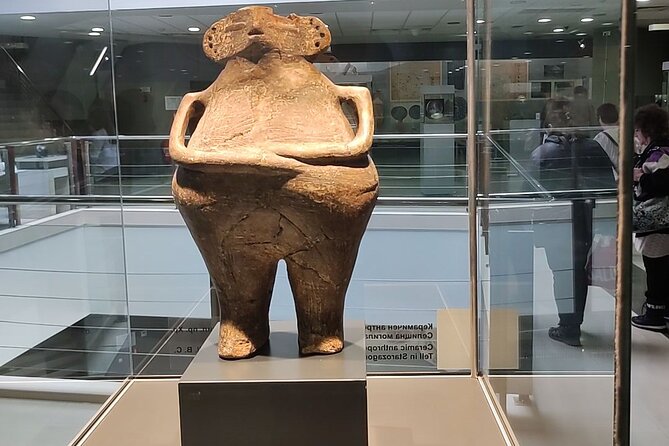
For a final time shift, you go back to the Neolithic age at the Neolithic Dwellings Museum. This is your “furthest back in time” moment of the day, and it is surprisingly effective when it is done last, because your brain is already primed to see how humans lived differently across eras.
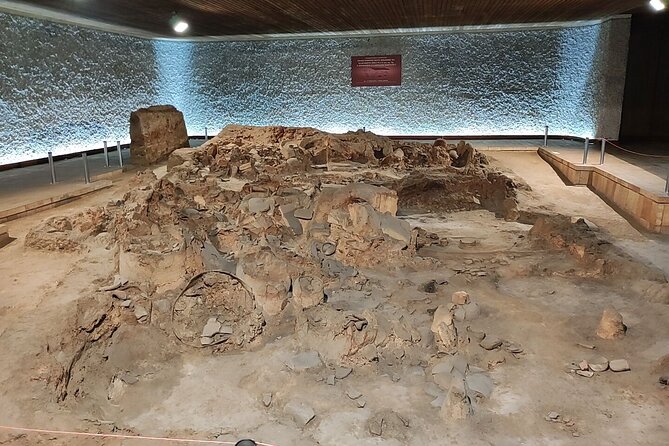
You visit the ruins of two Neolithic houses, part of a larger settlement. The houses are described as one of the best-preserved prehistorical buildings in Europe, and the exposition is built to take you to the VII millennium BC. If you have ever wondered what daily life looked like before cities and formal states, this stop gives you a starting point.
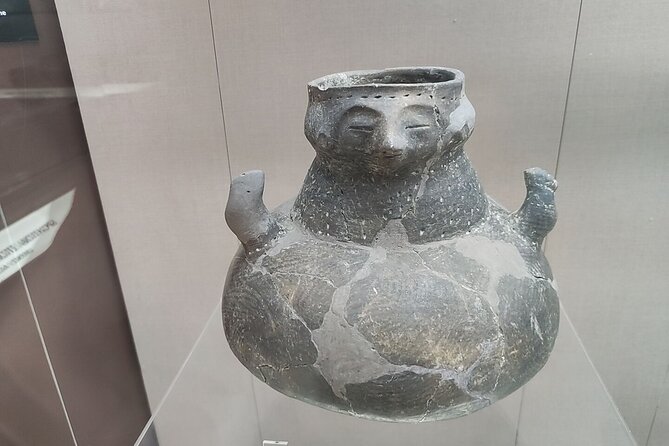
The guide explains who the people were and how they lived, which is important because Neolithic sites can feel abstract if you do not get context. You also see an archaeological collection of objects connected to the culture and religion of Stone Age communities discovered in Stone Age settlements.
This part takes about 2 hours, with admission included. It is the right amount of time to slow down and actually understand the design of the dwellings, not just glance at them.
Price, admissions, and where the value shows up
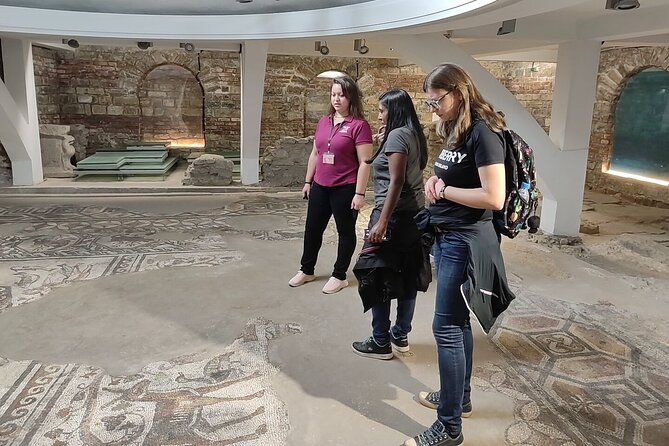
At $115.19 per person, this is not a budget throwaway tour, but it also is not priced like a high-end private guide day. The value comes from the combo: a UNESCO Thracian site, Roman forum walking, a layered religious architecture museum, and a Neolithic dwellings museum, all within one guided circuit.
A few specific value points from the way the tour is structured:
- All fees and taxes are included, and you use an air-conditioned vehicle.
- Admission is included for several stops.
- The Valley visit is listed with admission ticket free, so you do not pay extra for the main UNESCO anchor.
- The small group cap (8 travelers) can make the guide’s time feel more personal than on a larger bus tour.
- Pickup from your hotel saves time and stress.
The one thing that can add to your personal cost is lunch, since it is not included. Still, that is a fair tradeoff because it gives you flexibility to eat where you want rather than getting a one-size-fits-all meal.
Who should book this tour, and who may want a different plan
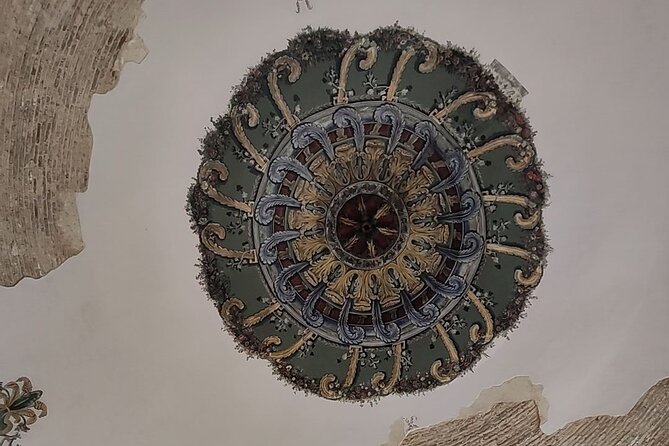
This day trip is a strong match if you like when your history has “layers,” meaning you enjoy seeing how one culture builds on top of another. It is also ideal if you want a single guided day that combines major time periods without needing to switch tours or juggle separate ticketing.
You may want to consider a shorter or more targeted plan if:
- you prefer a lighter pace and do not enjoy long driving days,
- you get tired with multiple walking blocks,
- you dislike planning lunch during a scheduled trip.
For most history-minded people, though, this kind of structure makes sense. You get a clear arc, Thracian tombs to Roman streets to layered faith buildings to Neolithic life.
Practical tips to make the day smoother
A few small choices can make this much more comfortable:
- Bring comfortable walking shoes. You are on your feet in the valley and again in Stara Zagora.
- Plan lunch in a way that does not eat your time budget. Since lunch is not included, your meal choice is in your control.
- Dress for changing conditions. This route includes outdoor elements (especially during the valley time) and indoor museum stops afterward.
- Expect a long day. At 10 hours 30 minutes, you will feel it if you travel light on snacks, water, or rest.
Finally, take advantage of the guide’s skill. The history and archaeology framing is the point, and asking questions tends to work best in a group of up to eight.
Should you book this tour?
I would book it if you want one guided day that touches big highlights: Thracian tombs at a UNESCO site, Roman Augusta Trayana, the Museum of Religions inside Eski Mosque, and the Neolithic Dwellings Museum. The price feels fair for the number of major stops and the admissions coverage, and the small group size helps the experience feel less rushed.
Skip it if you want a short, relaxed outing, or if you are not interested in a timeline that jumps back and forth across centuries. And if weather is questionable, keep your fingers crossed, since this day depends on good conditions for the outdoor portions.
FAQ
What time does the tour start?
The tour starts at 8:00 am, with hotel pickup.
Where is the tour located?
The tour is based in Plovdiv, Bulgaria, and visits sites in the surrounding region, including Stara Zagora.
How long is the tour?
The duration is approximately 10 hours 30 minutes.
Is pickup from my hotel included?
Yes, pickup is offered, and the guide will pick you up at 8:00 am.
What is included in the tour price?
The tour includes all fees and taxes and transportation in an air-conditioned vehicle. Admission is included for some stops, and the Valley of the Thracian Kings admission ticket is listed as free.
Is lunch included?
No, lunch is not included.
How many people are on the tour?
The maximum group size is 8 travelers.
What if the weather is bad?
This experience requires good weather. If it is canceled due to poor weather, you will be offered a different date or a full refund.
Is cancellation free?
Yes, you can cancel up to 24 hours in advance for a full refund. Cancellation cutoffs are based on local time.
Added recently around Plovdiv
- Jewish Walking Tour of Plovdiv★ 5.0 · 1 review
- Plovdiv: Traditional Bulgarian Costume Photo Experience★ 5.0 · 1 review
- Walking tour of Plovdiv’s top attractions★ 5.0 · 1 review
- Asen’s Fortress Self-Guided★ 4.0 · 1 review
- Private 2-Day Horseback Riding in Rhodope Mountains from Plovdiv★ 5.0 · 1 review
- Private Day Trip From Plovdiv To Wine Cellars And Wine Tasting★ 5.0 · 1 review
- From Plovdiv: Musala Peak Full-Day Trekking Tour★ 5.0 · 1 review
Rose Valley & Thracian Tombs, compared.
Rose Valley Full-Day Tour (During Rose Festival)
Read our review →
Buzludzha Monument and The Rose Valley Day Tour From Sofia 13 hrs
Read our review →Browse the lists this tour appears in